
Beautiful Plants For Your Interior
Beautiful Plants For Your Interior
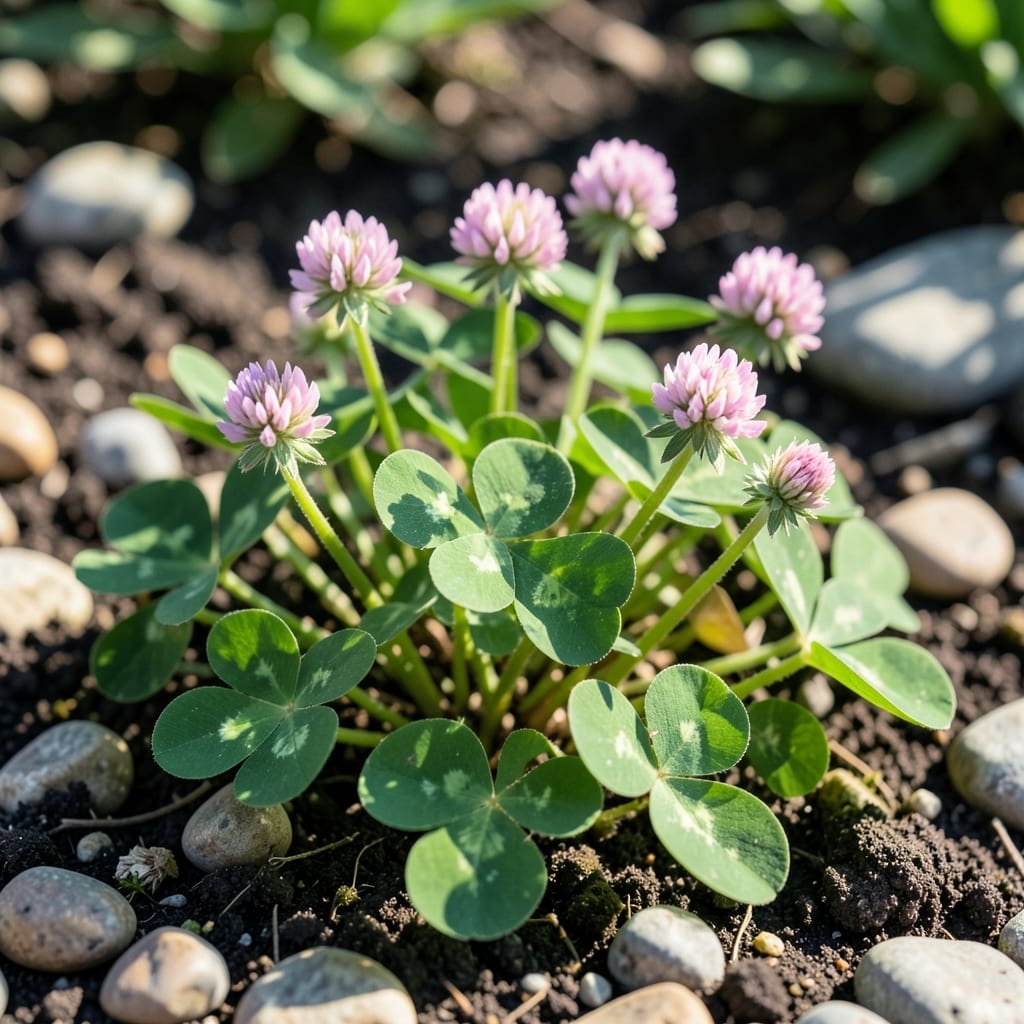
I first noticed wild clover spreading through my back corner three springs ago. It started as a few patchy sprouts, then transformed into a vibrant green carpet dotted with pink and white blooms.
What surprised me most wasn’t the beauty—it was the constant hum of bees and butterflies that suddenly appeared. This plant doesn’t just grow; it creates an entire ecosystem in your yard.
The real magic happens underground. While other plants struggle in poor soil, wild clover actually improves it, pulling nitrogen from the air and feeding the earth beneath your feet.
Perfect for sunny spots where grass refuses to grow, it asks for almost nothing in return. A little water to start, then it practically takes care of itself.
The wild clover flower, often seen dotting meadows and lawns, thrives due to a combination of natural and environmental factors. Understanding these causes can help gardeners and conservationists promote or control its growth.
Wild clover flourishes in nitrogen-poor soils, as it forms a symbiotic relationship with nitrogen-fixing bacteria in its roots. This allows it to thrive where other plants struggle, enriching the soil as it grows.
This hardy plant prefers full sun to partial shade. Open meadows, roadsides, and disturbed areas provide the ideal light conditions for wild clover to spread rapidly.
Moderate moisture is key. Wild clover grows best in well-drained but moist soils, though it can tolerate short dry spells once established. Overly wet or waterlogged conditions may hinder its growth.
Wild clover is highly adaptable, often appearing in disturbed ecosystems like farmlands, lawns, or construction sites. Its ability to colonize bare soil quickly makes it a pioneer species in ecological succession.
Wild clover can face a few common problems, but most are easy to tackle with the right approach. Below are practical solutions to keep your patch thriving.
If leaves turn yellow, your soil may lack nitrogen or be waterlogged. Fix it by mixing in compost or well-rotted manure to boost nutrients. Ensure good drainage by amending heavy clay with sand or organic matter. Prevention tip: 💡 Test soil pH annually—clover prefers slightly acidic to neutral (6.0–7.0).
Aphids and weevils love clover, but you can fight back without chemicals. Introduce ladybugs or lacewings as natural predators. For severe cases, spray with neem oil or insecticidal soap at dusk. Prevention tip: ✨ Encourage biodiversity—plant companion flowers like marigolds to deter pests.
Wild clover spreads fast and can choke itself out. Solution: Mow or trim patches to 4–6 inches after flowering to promote air circulation and new growth. Thin dense areas by hand-pulling excess plants. Prevention tip: 🎯 Divide large patches every 2–3 years to maintain vigor.
Clover is drought-tolerant but may wilt in extreme heat. Water deeply 1–2 times per week (1 inch total) in dry spells, preferably in the early morning. Avoid overhead watering to prevent fungal issues. Prevention tip: 🌡️ Mulch with straw to retain moisture and cool roots.
It grows quickly under ideal conditions, often covering bare patches within 4-6 weeks. Its creeping habit allows it to expand 1-2 feet per season in well-drained, sunny spots.
It thrives in poor soils because it fixes its own nitrogen. Sandy, well-drained areas are perfect as long as they get full sun and moderate moisture.
Mowing to 4-6 inches after flowering keeps it tidy and encourages new blooms. Avoid cutting too short, as this can stress the plants and reduce pollinator benefits.
Yes, it’s a pollinator magnet! Its nectar-rich blooms draw bees, butterflies, and other beneficial insects, making it excellent for supporting local ecosystems.