
Beautiful Plants For Your Interior
Beautiful Plants For Your Interior
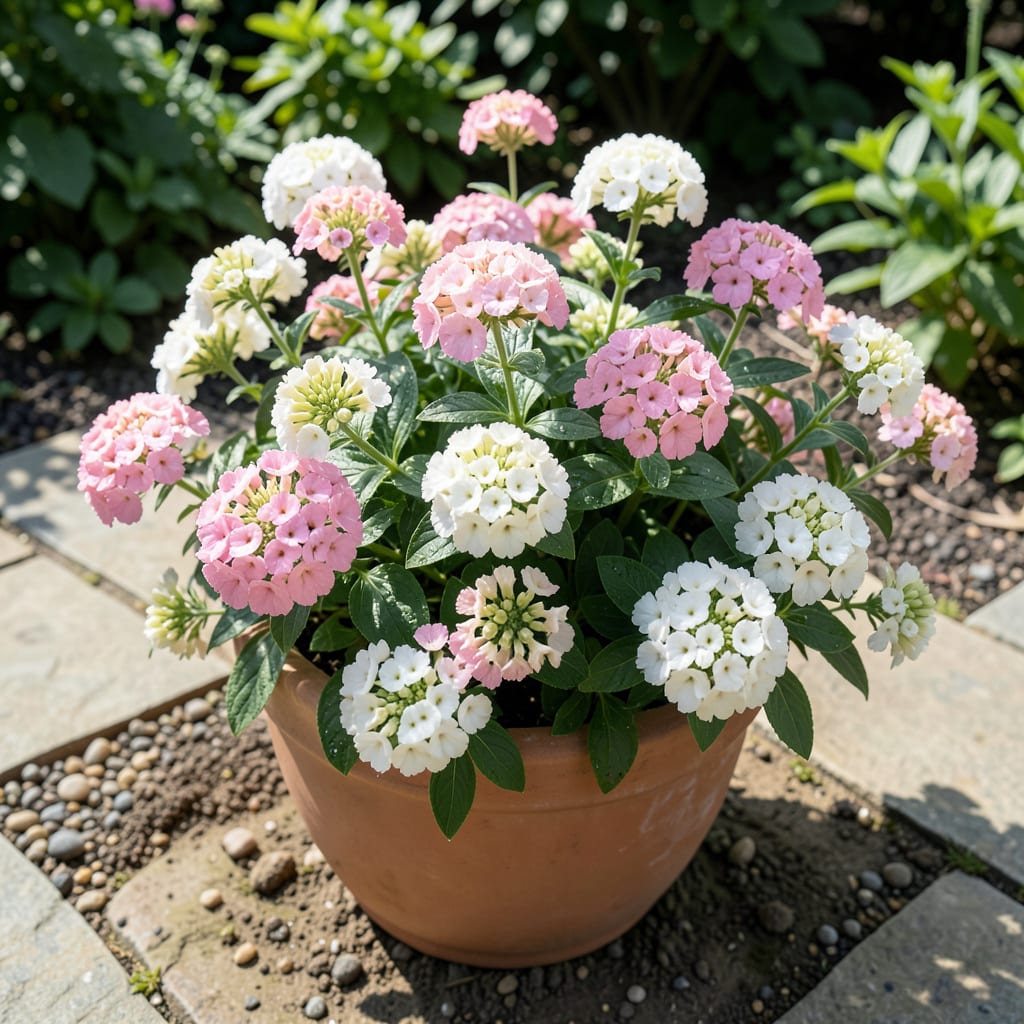
Sunny borders need this shockingly resilient performer. I planted my first pink and white verbena during a brutal July heatwave and watched it laugh through weeks without rain while everything else wilted.
You get cascades of blooms from spring to frost, butterflies that can’t resist, and zero guilt over forgetting to water. It spreads just enough to fill gaps but never bullies its neighbors.
📚 In This Guide
This method ensures vibrant blooms and thriving plants with minimal effort.
Select a site with full sun exposure—verbena requires at least 6-8 hours of direct sunlight daily to produce its iconic pink and white blooms. I always plant after the last frost date when soil temperatures reach 60°F or higher.
Check your local frost dates and aim for a morning planting session. This gives the roots time to settle before the heat of the day. Avoid planting during peak afternoon sun, as this can stress the plants before they establish.
Verbena thrives in well-draining soil with a slightly acidic to neutral pH (6.0-7.0). Work the soil to a depth of 12 inches, removing any rocks or debris that could impede root growth.
Amend the bed with a 2-inch layer of compost to improve fertility without creating waterlogged conditions. I avoid heavy clay or overly rich soils, as these can lead to root rot. The goal is loose, crumbly soil that allows water to pass through quickly.
Test drainage by digging a 1-foot hole and filling it with water. If it drains within 1 hour, the soil is suitable. If not, consider raised beds or adding coarse sand to improve drainage.
Space verbena plants 12-18 inches apart to allow for air circulation, which prevents powdery mildew. Dig a hole slightly wider than the root ball but no deeper—planting too deep can cause stem rot.
Gently remove the plant from its container and loosen the roots if they’re pot-bound. Place it in the hole so the top of the root ball sits ¼ inch above the soil line. This slight elevation helps prevent water from pooling around the stem.
Backfill with soil and press lightly to eliminate air pockets. Water immediately with 1 inch of water to settle the soil around the roots. You’ll see the plant perk up within hours if it was slightly wilted from transplant shock.
Water newly planted verbena deeply 2-3 times per week for the first 2 weeks, then taper off to once weekly once established. The key is to keep the soil evenly moist but not soggy during this critical period.
Apply a 2-3 inch layer of organic mulch (such as shredded bark) around the base, keeping it 2 inches away from the stems. This conserves moisture and suppresses weeds while allowing the soil to breathe.
Check soil moisture by inserting your finger 1 inch deep. If it feels dry, it’s time to water. Verbena’s drought tolerance develops after establishment, but consistent moisture early on ensures strong root growth.
Deadhead spent blooms weekly by pinching them off at the base of the flower cluster. This encourages the plant to produce new flowers rather than setting seed. I use sharp pruners for a clean cut that won’t damage the stem.
Fertilize lightly with a balanced, water-soluble fertilizer (10-10-10) every 4-6 weeks during the growing season. Avoid over-fertilizing, as this can lead to excessive foliage growth at the expense of flowers.
Monitor for pests like aphids or spider mites, which are attracted to the new growth. A strong blast of water from the hose often dislodges them, but for persistent issues, use an insecticidal soap spray at dusk.
Small details make the difference between struggling plants and a garden full of vibrant pink and white blooms.
Sunlight Strategy: That 6-8 hours of direct sunlight in Step 1 isn’t just a suggestion—it’s essential. I learned this the hard way when my first verbena planting produced sparse, leggy blooms. Morning sun is ideal, but if your space only gets afternoon light, ensure it’s truly full sun without shade from trees or buildings.
Soil Preparation Secret: The drainage test in Step 2 is your insurance policy against root rot. When I dug that 1-foot hole and timed the 1 hour drainage, I discovered my seemingly perfect soil actually held water too long. Adding coarse sand solved the issue completely, and my verbena thanked me with lush growth.
Planting Precision: That ¼ inch above the soil line in Step 3 might seem fussy, but it prevents stem rot. I’ve seen too many gardeners bury their verbena too deep, only to watch it decline. Press the soil gently but firmly to eliminate air pockets—this gives roots immediate contact with the earth for faster establishment.
Watering Wisdom: The 2-3 times per week for the first 2 weeks in Step 4 is critical for root development. Here’s what nobody tells you—verbena hates soggy feet. Check that top inch of soil before watering; if it’s dry, give it a deep drink. Once established, the once weekly schedule works because these plants build impressive drought tolerance.
Water deeply once a week during the first growing season. Once established, verbena is drought-tolerant and thrives with minimal watering—only supplement during prolonged dry spells.
Plant in spring after the last frost, when soil temperatures reach at least 60°F. This ensures strong root development before summer heat.
Yes! Use a well-draining potting mix and a container with drainage holes. Verbena adapts well to pots and hanging baskets, making it perfect for patios and balconies.
Yellowing leaves often indicate overwatering or poor drainage. Check soil moisture and ensure the plant isn’t sitting in water. Trim affected foliage to encourage new growth.
Pair with other sun-loving, drought-resistant plants like lavender, salvia, or coreopsis. These combinations create vibrant, low-maintenance borders.
