
Beautiful Plants For Your Interior
Beautiful Plants For Your Interior
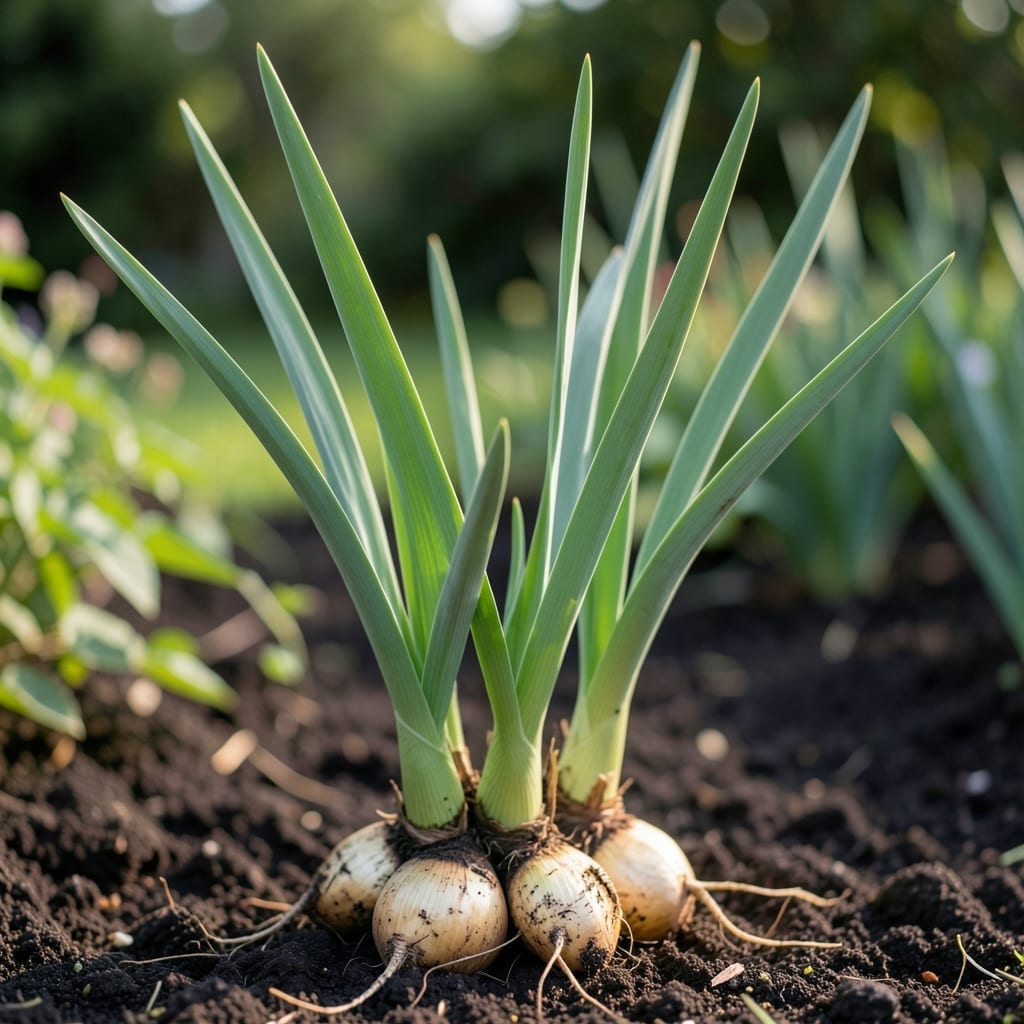
I’ve stood in my garden staring at green iris leaves with no flowers, wondering what went wrong. It turns out, these plants are picky about their conditions, and even small oversights can rob you of those vibrant blooms.
Too much shade, crowded rhizomes, or the wrong fertilizer can all silence your iris. I learned this after moving mine to a sunnier spot and seeing the difference the next spring. The fix is often simpler than you think.
With the right adjustments—more light, proper spacing, and balanced nutrients—you can coax those stubborn plants into flowering. It’s about giving them what they actually need, not what you assume they want.
Next season, your iris could be the star of the garden. Let’s figure out what’s holding yours back and turn those green leaves into a colorful display.
Several factors can prevent your iris from blooming, and understanding them is the first step toward a vibrant garden. Here’s why it might be happening:
Irises require full sun (at least 6–8 hours of direct sunlight daily) to produce blooms. Shade from trees, buildings, or other plants can limit photosynthesis, reducing energy for flower development. If your iris isn’t blooming, check its light exposure and relocate it if necessary.
Over time, iris clumps become crowded, depleting soil nutrients and water. This competition stifles bloom production. Divide clumps every 3–4 years to rejuvenate growth. Additionally, soil lacking phosphorus (key for flowering) can hinder blooms. Test your soil and amend it with a balanced fertilizer (e.g., 6-10-10) in early spring.
Irises planted too deep struggle to bloom. Rhizomes (thick underground stems) should be partially exposed to sunlight and air. If buried too deeply, they may rot or fail to produce flowers. Replant shallowly, ensuring the top of the rhizome is visible at the soil surface.
Late frosts, heatwaves, or drought can stress irises, disrupting their bloom cycle. Mulch lightly in winter to protect rhizomes, and water consistently (1–1.5 inches weekly) during dry spells. Avoid overhead watering to prevent fungal diseases like soft rot, which also inhibit flowering.
Newly planted irises may take 1–2 years to establish roots and store enough energy for blooms. If you’ve recently divided or transplanted, be patient. Weak or diseased rhizomes also fail to bloom—inspect for softness, foul odor, or holes (signs of pests/disease) and remove affected parts.
If your iris isn’t blooming, don’t worry—there are simple fixes for the most common causes. Below are targeted solutions, plus prevention tips to keep your irises thriving year after year.
Irises need 6–8 hours of direct sunlight daily. If yours are in shade, move them to a sunnier spot in early fall or late summer. Can’t transplant? Trim back nearby trees or shrubs blocking light. Prevention tip: Plant new irises in full sun from the start.
When rhizomes (thick roots) get too packed, blooms suffer. Every 3–4 years, dig up clumps after flowering, discard the old center, and replant healthy outer rhizomes 12–24 inches apart. Prevention tip: Mark your calendar for division in late summer.
Irises prefer well-draining soil with moderate fertility. Avoid high-nitrogen fertilizers (they boost leaves, not flowers). Instead, use a low-nitrogen, high-phosphorus feed (like 6-10-10) in early spring and again after blooming. Prevention tip: Mix compost into soil at planting for long-term nutrients.
Soggy soil rots rhizomes. Water deeply only when the top inch of soil is dry, and ensure beds have good drainage. For clay soil, amending with sand or gravel helps. Prevention tip: Plant rhizomes slightly above soil level to prevent rot.
In freezing areas, mulch rhizomes with straw or evergreen boughs after the first frost to insulate them. Remove mulch in early spring. Prevention tip: Choose cold-hardy varieties if you live in a harsh climate.
Pro tip 💡: Always plant iris rhizomes with the top partially exposed to the sun—this prevents rot and encourages blooming!
They require 6–8 hours of direct sunlight daily. Less than this often results in leafy growth but no flowers. If your garden is shady, consider relocating them or trimming nearby obstructions.
Divide every 3–4 years in late summer, after blooming. This prevents overcrowding, which can choke out new growth and reduce flowers. Discard the old center and replant the healthy outer rhizomes.
Yes! High-nitrogen fertilizers promote leaf growth at the expense of flowers. Use a low-nitrogen, high-phosphorus option like 6-10-10 in early spring to encourage blooms.
New rhizomes need 1–2 years to establish roots and store energy. Be patient—once settled, they’ll reward you with vibrant flowers.