
Beautiful Plants For Your Interior
Beautiful Plants For Your Interior
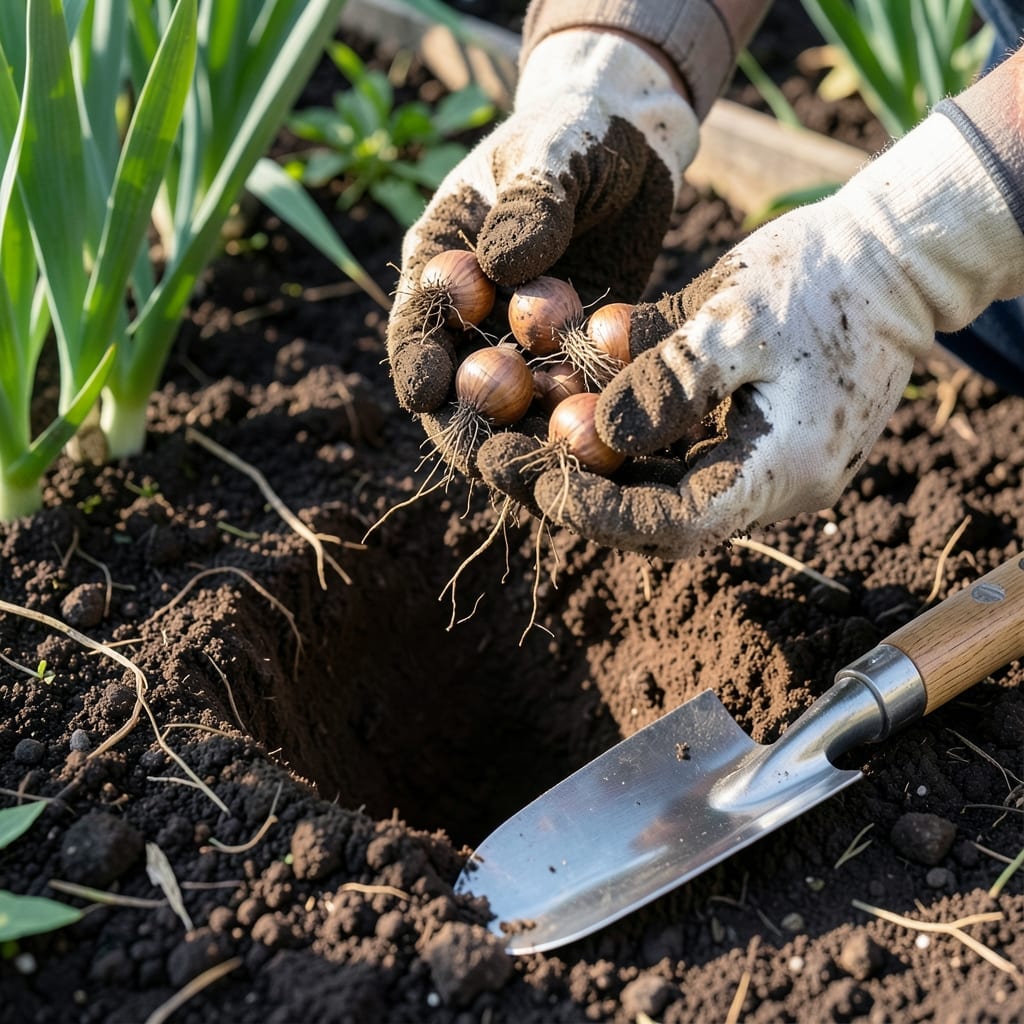
Worried you’ve missed the window for planting Iris 🌸 bulbs? The good news is that fall can be perfect for getting them in the ground for stunning spring blooms.
In Zone 6a, you typically have until mid-October, but don’t panic if you’re running late. With the right approach, you can still coax gorgeous flowers from your late-season efforts.
I’ll walk you through how to assess your timing, prep the soil, and give your Iris the best shot at thriving, even if the calendar isn’t ideal.


Timing is everything when planting iris bulbs for those gorgeous spring blooms. The ideal window is typically 6-8 weeks before your first hard frost, giving roots time to establish before winter.
In most USDA zones, this means planting from late summer through early fall. But don’t worry if you’re running behind—there’s still hope for late plantings if you act quickly.
| Planting Window | USDA Zones | Best Time |
|---|---|---|
| Early Planting | Zones 3-5 | August-September |
| Optimal Window | Zones 6-7 | September-October |
| Late Planting | Zones 8-10 | October-November |
For bearded irises, which are the most common, you’ll want to get them in the ground before soil temperatures drop below 60°F. This gives them enough time to develop strong root systems.
Siberian irises are a bit more forgiving and can handle slightly later planting, but I still recommend aiming for at least 4-6 weeks before the first frost in your area.
If you’re in warmer climates like Zone 8 or higher, you have more flexibility. Here, November plantings can still work, especially for Dutch irises, which are hardier.
Keep an eye on the weather forecast. If a sudden cold snap is coming, it’s better to hold off or use a mulch layer to protect newly planted bulbs from freezing temperatures.
I’ve found that soil preparation is key for late plantings. Make sure your soil is well-draining to prevent rot, and add a bit of compost for extra nutrients.
A good rule of thumb is to plant when soil is still workable. If you can dig a hole without struggling, it’s not too late. But if the ground is frozen or waterlogged, it’s best to wait.
Remember, even if you miss the ideal window, late plantings can still thrive with a little extra care. Just focus on giving your irises the best possible start, and they’ll reward you with beautiful blooms next spring.
Always check your local frost dates to fine-tune your timing for the best results 🌷
Even if you’re planting iris bulbs later than ideal, success is still possible with the right approach. The key is preparing the soil properly and giving your bulbs the best start before winter arrives.
I always begin by choosing a sunny location with well-draining soil. Irises hate wet feet, so if your soil is heavy clay, amend it with compost or sand to improve drainage.
For late plantings, I recommend adding a 2-3 inch layer of organic mulch like straw or shredded leaves. This insulates the soil and protects your bulbs from temperature fluctuations.
Water your newly planted irises deeply once right after planting, then reduce watering as the weather cools. The goal is to keep the soil moist but not soggy to encourage root growth.
A common mistake is planting too shallow. Make sure your iris rhizomes are partially exposed at the soil surface. This might look odd, but it’s crucial for preventing rot and ensuring healthy growth.
If you’re planting in warmer zones, you might need to water occasionally through winter if rainfall is scarce. But in colder areas, nature will handle the watering for you once the ground freezes.
With proper care, even late-planted irises can establish roots and reward you with beautiful blooms next spring. Just