
Beautiful Plants For Your Interior
Beautiful Plants For Your Interior
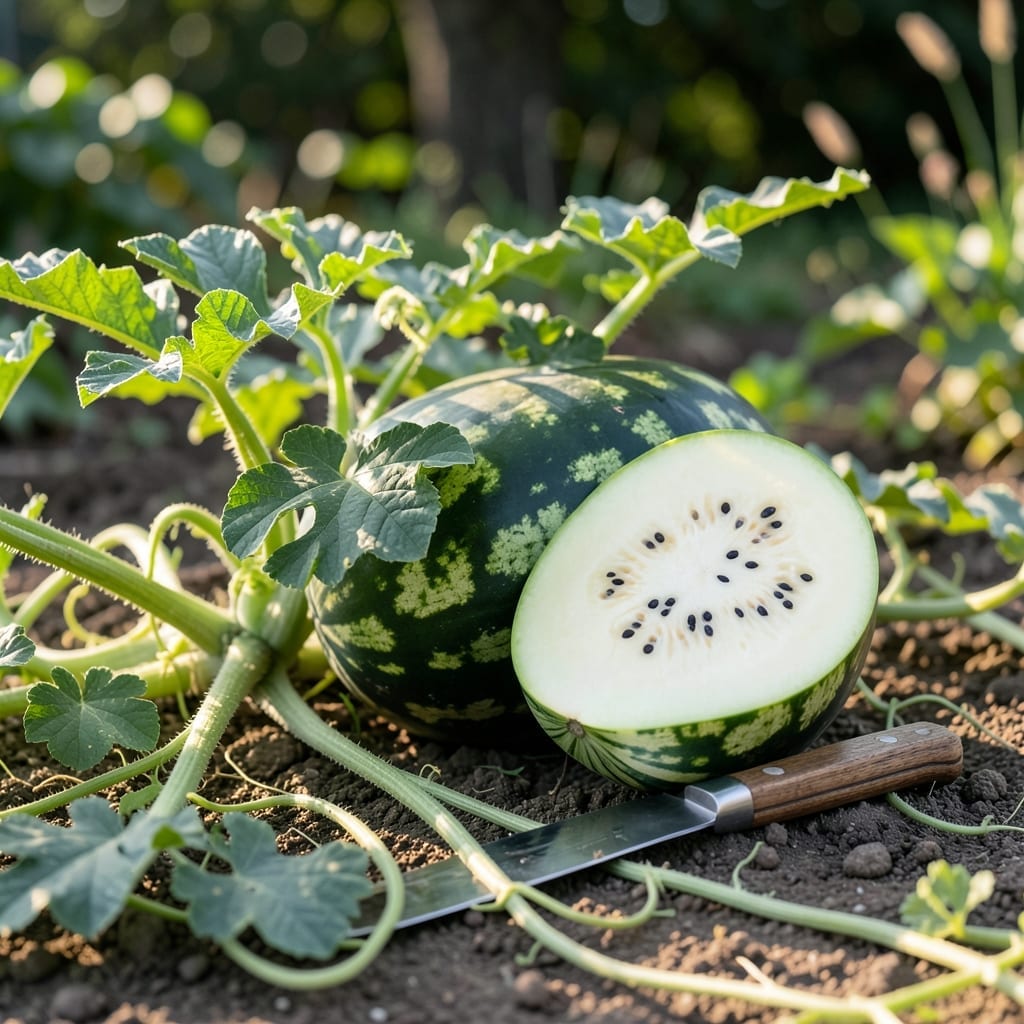
That sinking feeling when you cut open your watermelon and find white flesh instead of juicy red. I’ve been there—it’s disappointing, but usually fixable.
Most of the time, it’s simply a sign your melon wasn’t fully ripe. Other causes include poor pollination, nutrient deficiencies, or even the variety you planted. The good news? You can prevent this next season.
Check for dull rinds, pale spots, and a hollow sound when tapped—these are clues your watermelon needs more time. A little patience often solves the issue.
With the right adjustments, you’ll be harvesting perfect, sweet watermelons every summer. Let’s figure out what went wrong and how to fix it.
White or pale flesh in watermelons usually signals an issue during growth. Here are the most common causes, explained simply:
Watermelons need full sun (6–8 hours daily) to develop their signature red or pink hue. Shade or cloudy weather disrupts lycopene production—the pigment responsible for color. If your garden is shaded, relocate plants or prune nearby trees.
Picked too early? Watermelons turn white when harvested before ripening. Check the tendril near the stem—it should be brown and dry. Also, the underside (where it touches soil) should turn from white to creamy yellow.
Inconsistent watering—either too much or too little—can stunt sugar and pigment development. Aim for 1–2 inches of water weekly, especially during fruit set. Drip irrigation helps maintain steady moisture without waterlogging roots.
Cool nights (below 50°F/10°C) or extreme heat can halt lycopene synthesis. Use row covers in early spring to trap warmth, and mulch to stabilize soil temperature.
Some heirloom varieties (like ‘Cream of Saskatchewan’) are naturally white-fleshed. If you planted a red variety and got white fruit, the seeds may have been mislabeled or cross-pollinated.
If your watermelon looks pale or white inside, don’t toss it yet! Here’s how to address the most common causes and restore that vibrant red you love. 🍉
If the watermelon was harvested too early, the solution is simple: let it ripen further. Place it in a warm, sunny spot (like a kitchen counter) for 2–3 days. Check the underside—it should turn from white to pale pink or red when ready. Prevention tip: 💡 Always pick watermelons with a creamy yellow spot (the “field spot”) and a deep, hollow sound when tapped.
White flesh can result from inconsistent watering or nutrient deficiencies. If you’re growing your own, ensure the plant gets 1–2 inches of water per week and use a balanced fertilizer (10-10-10) every 2–3 weeks. Prevention tip: 🌡️ Mulch around the base to retain moisture and test soil pH (ideal: 6.0–7.5).
Watermelons need full sun (6–8 hours daily). If your garden is shady, relocate the plant or trim nearby foliage blocking light. For container-grown melons, move pots to a sunnier balcony or patio. Prevention tip: ✨ Plant in south-facing areas and space vines 3–5 feet apart to avoid shading.
White streaks or spots may signal powdery mildew or virus infections. Remove affected leaves and apply neem oil or a baking soda spray (1 tbsp baking soda + 1 tsp dish soap + 1 gallon water). Prevention tip: 🎯 Rotate crops yearly and avoid overhead watering to reduce humidity on leaves.
If the watermelon turned white after harvest, it might’ve been stored in too-cold temps (below 50°F). Let it sit at room temperature for a day to restore color. Prevention tip: ❄️ Store whole watermelons at 55–70°F and only refrigerate after cutting.
Yes, it’s safe to eat but may taste bland or less sweet. Underripe melons often lack flavor and juiciness. Let it sit at room temperature for 2–3 days to improve slightly.
Check for a creamy yellow spot on the underside and a deep, hollow sound when tapped. The stem’s tendril should also be brown and dry.
Watermelons need 6–8 hours of full sun daily to develop their red pigment. Shade or cloudy weather can result in pale or white flesh.
Yes, storing below 50°F can turn the flesh white. Keep whole melons at 55–70°F and refrigerate only after cutting.