
Beautiful Plants For Your Interior
Beautiful Plants For Your Interior
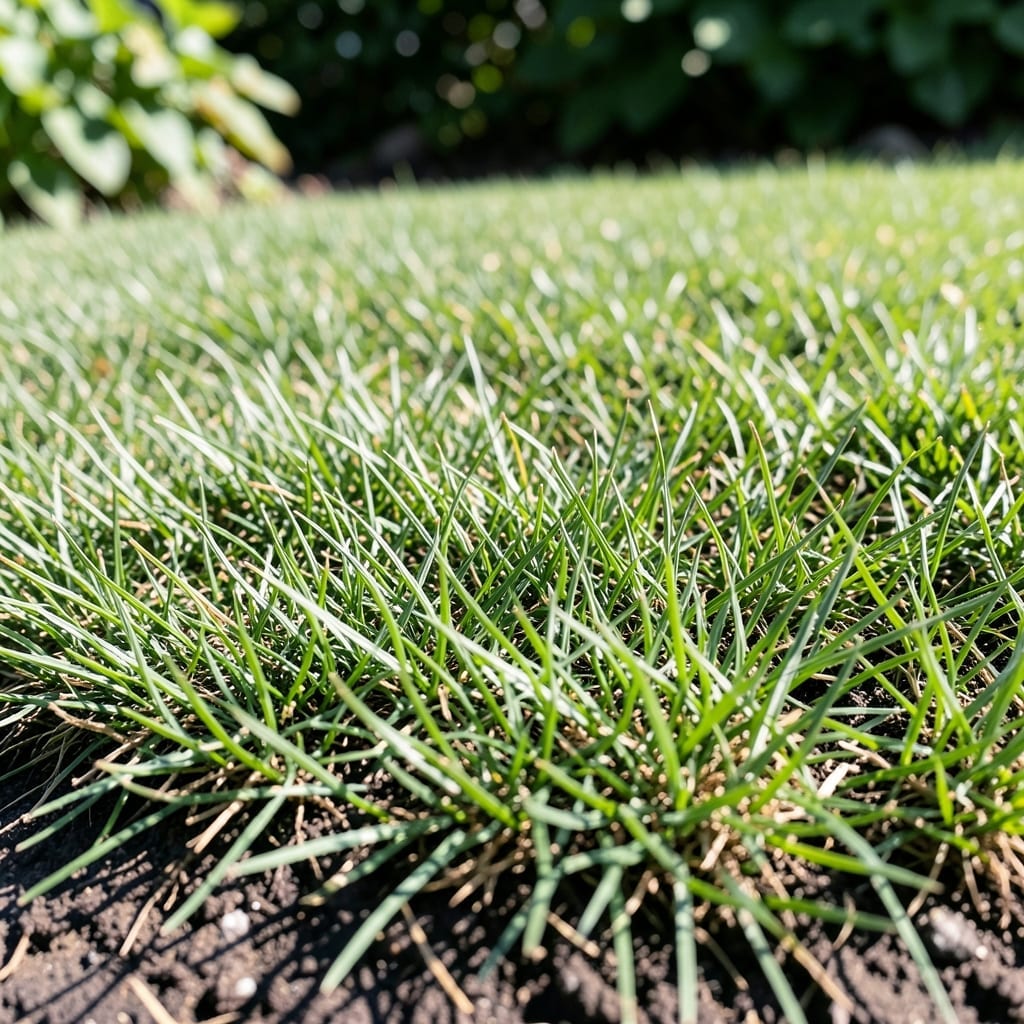
White grass in your lawn is a red flag, not a death sentence. I’ve seen patches turn snow-white overnight from fungal outbreaks, and other times it’s just heat stress playing tricks on the blades.
The culprit could be powdery mildew, dollar spot, or even dog urine—each leaves distinct patterns if you know where to look. Most people grab the wrong treatment because they misdiagnose the cause.
Once you identify the issue, solutions are straightforward: adjust watering, treat with fungicide, or aerate compacted soil. Recovery starts within days with the right approach.
Works for cool-season and warm-season grasses alike. Let’s figure out what’s going on.
Grass turning white can stem from several environmental or biological factors. Below are the most frequent causes, each with a clear, science-backed explanation.
Pathogens like Sclerotinia or Pythium thrive in cool, damp conditions, attacking grass blades and disrupting chlorophyll production. This results in bleached or white patches, often with a cottony or slimy texture. Overwatering or poor drainage exacerbates the issue.
Extreme heat or intense sunlight can damage grass cells, leading to a loss of green pigment. This is common in warm-season grasses exposed to prolonged drought or reflective heat (e.g., near pavements). The grass may appear white or grayish as it dries out.
Sudden temperature drops can cause frost damage, especially in tender grass varieties. Ice crystals form within the blades, rupturing cells and leaving behind white, limp patches. This often occurs in early spring or late fall.
Excessive fertilizer, de-icing salts, or herbicide drift can leach moisture from grass, leading to a bleached appearance. Salt disrupts osmosis, while chemicals may directly harm the plant tissue. Check for uneven white streaks or spots near treated areas.
Heavy foot traffic, lawnmower blades, or construction debris can crush or tear grass, exposing the inner tissues. The damaged areas may turn white as they dry out or become susceptible to secondary infections.
If your lawn has taken on a ghostly pallor, don’t panic—white grass often signals a fixable issue. Below are targeted solutions for the most common causes, along with prevention tips to keep your turf vibrant.
Fix: Apply a fungicide labeled for powdery mildew or dollar spot (common culprits for white patches). Use a spreader for even coverage, and water the lawn early in the morning to allow foliage to dry quickly. Remove severely infected grass clippings to prevent spread.
Prevention: Improve airflow by aerating compacted soil and avoid overwatering. Mow regularly, but never remove more than one-third of the grass blade at a time.
Fix: For frost damage, wait until the grass thaws completely before walking on it. Gently rake up matted areas to encourage recovery. If heat stress is the issue, deep-water the lawn (1–1.5 inches per week) during the cool hours of early morning.
Prevention: Choose drought-resistant grass varieties (like Bermuda or Zoysia) for hot climates. In colder regions, avoid late-season fertilizing, which can promote tender growth vulnerable to frost.
Fix: Flush the affected area with 2–3 inches of water to leach out excess salt or fertilizer. For chemical spills, remove the topsoil if the damage is severe and reseed.
Prevention: Test soil annually and follow fertilizer label rates precisely. Keep pet urine (high in nitrogen) off the lawn, or train pets to use a designated area.
Fix: Apply a balanced fertilizer (10-10-10 or 16-4-8) to replenish nitrogen, phosphorus, and potassium. For iron deficiency (common in white-tipped grass), use a chelated iron supplement.
Prevention: Feed your lawn seasonally—spring and fall are ideal for cool-season grasses. Use compost to naturally boost soil health.
💡 Pro Tip: Always identify the cause before treating. A simple soil test (available at garden centers) can reveal pH imbalances or nutrient shortages, saving you time and guesswork!
Yes, if the roots are still healthy and alive. Address the underlying cause quickly, and most lawns recover within 1-3 weeks with proper care and treatment.
Fungal issues often appear as circular patches with a cottony or slimy texture. Environmental stress (heat, frost) usually causes uniform discoloration without distinct patterns.
For heat stress, water deeply early in the morning. For frost damage, avoid walking on it and gently rake matted areas. Fungal infections require fungicide and improved drainage.
Yes, high nitrogen in pet urine can burn grass, creating white or yellow spots. Train pets to use a designated area or flush the spot with 1-2 inches of water immediately.