
Beautiful Plants For Your Interior
Beautiful Plants For Your Interior
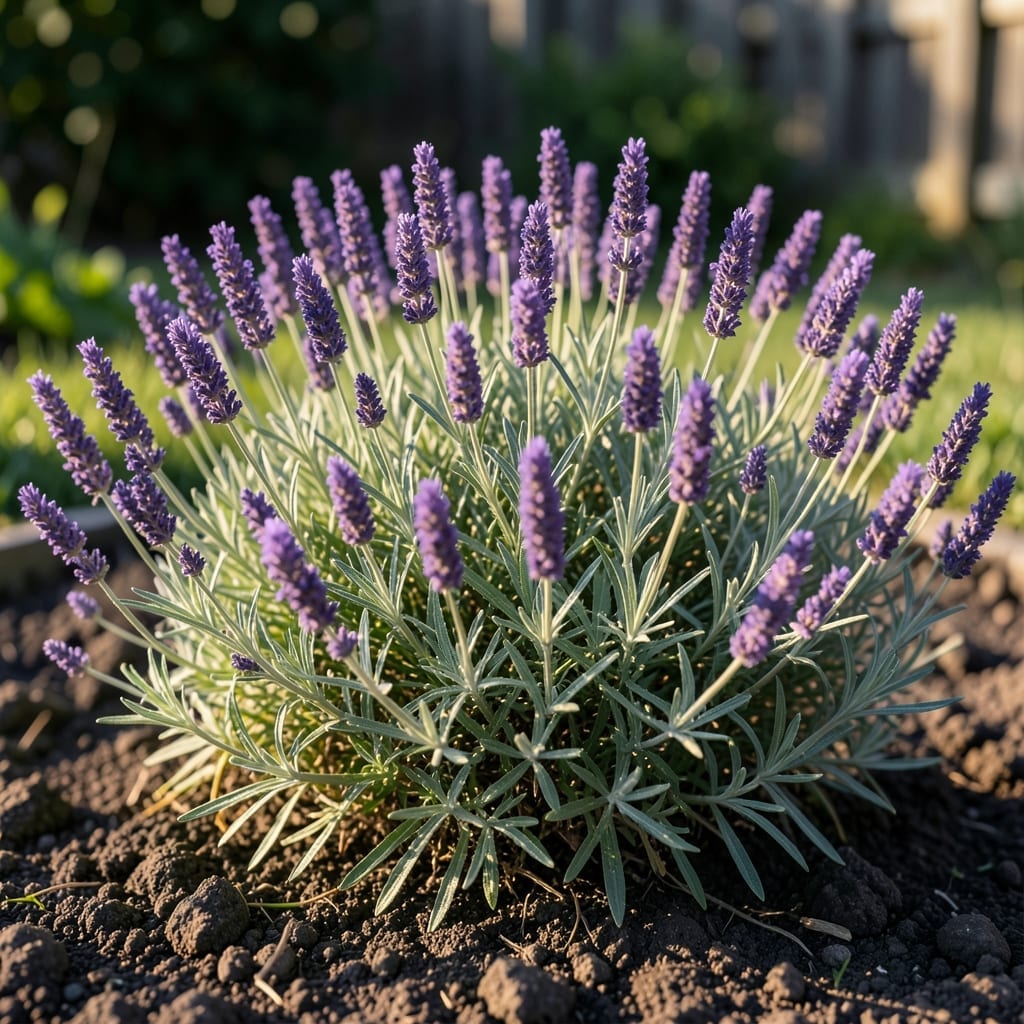
Nothing breaks a gardener’s heart like watching lavender droop. I learned the hard way that overwatering kills more lavender than drought ever could—those roots hate soggy soil.
Most wilting starts with poor drainage or heavy soil. Even well-meaning gardeners can drown their plants by sticking to a rigid watering schedule. The fix often starts with checking the soil with your finger before reaching for the watering can.
Recovery is possible with quick action. Trimming affected areas, improving drainage, and adjusting your care routine can bring those fragrant purple spikes back to life.
Prevention is simpler than you think. Lavender thrives on neglect—plant it in well-draining soil, give it full sun, and water only when the soil is truly dry.
Lavender is a hardy plant, but even the toughest species can wilt under stress. Here’s why it happens:
Lavender thrives in dry, well-drained soil. When roots sit in soggy conditions, they suffocate and rot—a condition called root rot. This fungal infection blocks water and nutrient uptake, causing leaves to yellow, droop, and eventually wilt. Lavender prefers drought over dampness, so always let the soil dry out between waterings.
While lavender loves warmth, scorching temperatures above 90°F (32°C) can dehydrate the plant, leading to wilting. Conversely, frost or prolonged cold snaps (below 20°F/-7°C) damage its tender foliage. Lavender’s ideal range is 60–80°F (15–27°C), so provide shade in heatwaves and mulch in winter for insulation.
Lavender hates rich, fertile soil. Over-fertilizing (especially with nitrogen) promotes leafy growth at the expense of its drought-resistant roots, making it prone to wilting. Use sandy, low-fertility soil with a pH of 6.5–8.0 to mimic its native Mediterranean conditions.
Sap-sucking pests like aphids or spider mites weaken lavender by draining its fluids, while fungal diseases (e.g., Phytophthora) attack roots in wet conditions. Check for sticky residue, webbing, or blackened stems—early signs of trouble.
If grown in containers, lavender becomes root-bound when roots outgrow their space, restricting water and nutrient flow. Similarly, recently transplanted lavender may wilt from shock as it adjusts to new soil. Repot or space plants 2–3 feet apart to avoid crowding.
Don’t panic—your lavender can bounce back with the right care! Below are targeted fixes for the most common wilting causes, plus tips to keep your plant thriving long-term.
Fix it: Stop watering immediately and let the soil dry out completely. If the roots are soggy or black, trim the affected areas with clean shears. Repot in well-draining soil (mix in sand or perlite) and a container with drainage holes. Water only when the top 1–2 inches of soil are dry.
Prevent it: 💡 Use a moisture meter to avoid guesswork, and always opt for terracotta pots—they wick away excess water.
Fix it: Move your lavender to a spot with at least 6–8 hours of direct sunlight daily. If growing indoors, place it near a south-facing window or supplement with a grow light (12–14 hours/day).
Prevent it: 🌡️ Rotate the pot weekly to ensure even light exposure and prevent lopsided growth.
Fix it: Gently remove the plant from its pot. If roots are circling tightly, loosen them and repot in a larger container with fresh, sandy soil. For garden plants, amending heavy clay with compost or gravel improves drainage.
Prevent it: ✨ Repot every 2–3 years or divide clumps to prevent overcrowding.
Fix it: Inspect leaves and stems for aphids, spider mites, or whitefly. Blast pests off with water or apply neem oil (mix 1 tbsp oil + 1 tsp dish soap per gallon of water). For fungal issues (like root rot), treat with a copper fungicide and improve air circulation.
Prevent it: 🎯 Avoid overhead watering to keep foliage dry, and space plants 12–18 inches apart for airflow.
Fix it: Shield lavender from harsh winds or frost with a cloché or frost cloth. In scorching heat, provide afternoon shade and mulch with gravel (not organic mulch, which retains moisture).
Prevent it: 🔥 Plant in a sheltered spot and harden off seedlings gradually before transplanting.
Water only when the top 1-2 inches of soil are completely dry. In most climates, this means watering every 2-3 weeks—sometimes less. Remember, lavender prefers drought over dampness.
Use sandy, well-draining soil with low fertility. Aim for a pH between 6.5-8.0. Heavy clay or rich soil retains too much moisture, which can cause root rot.
If caught early, yes. Trim away black, mushy roots and repot in fresh, dry soil. Stop watering until the plant recovers. Severe cases may require starting over with a new plant.
Yellow leaves often signal overwatering or poor drainage. Check your watering schedule and ensure the pot has drainage holes. This is usually the first warning sign before wilting begins.