
Beautiful Plants For Your Interior
Beautiful Plants For Your Interior
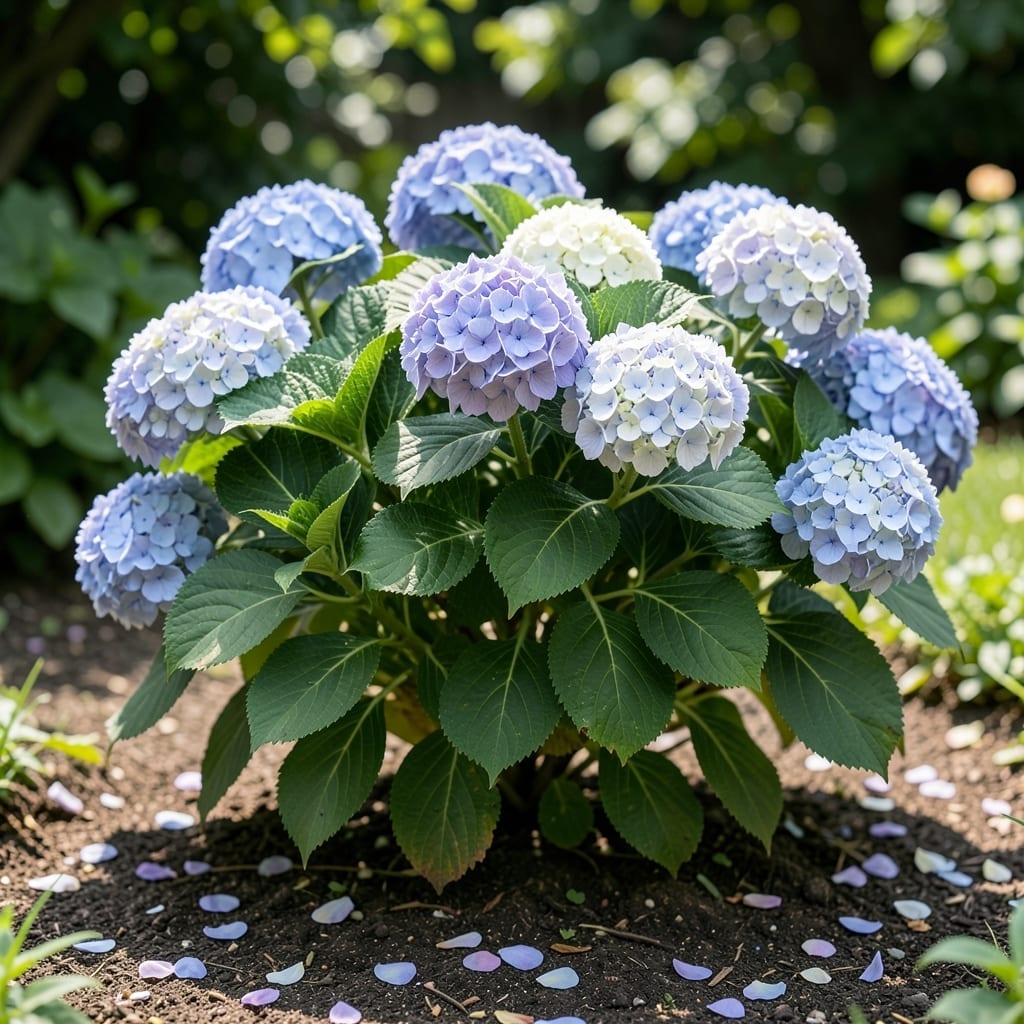
I’ve lost count of how many hydrangeas I’ve revived after watching them wilt dramatically. The first sign is usually drooping leaves or brown edges—both fixable if you catch them early.
Most problems start with water: too much drowns roots, too little leaves them crisp. But soil pH and sunlight play huge roles too. I learned this after killing three plants in one summer.
What works is checking the soil before watering (my finger’s the best tool) and adjusting care based on your plant’s signals. You’ll see improvement in days, not weeks.
Whether it’s yellow leaves or stunted growth, the solution is simpler than you think. Here’s how to diagnose and fix it.
Hydrangeas are hardy, but even the toughest plants falter under the wrong conditions. Here’s a breakdown of the most common scientific and environmental triggers behind their decline:
Hydrangeas are moisture-sensitive. Overwatering suffocates roots by depleting oxygen in the soil, leading to root rot (Phytophthora or Pythium fungi thrive in soggy conditions). Conversely, underwatering causes wilting and leaf scorch as the plant’s vascular system fails to transport water efficiently. Aim for 1–2 inches of water per week, adjusting for rainfall and soil drainage.
Hydrangeas are pH-responsive. Alkaline soil (pH > 7) locks out iron, causing chlorosis (yellow leaves with green veins). Acidic soil (pH < 5.5) can lead to aluminum toxicity, stunting growth. Test your soil and amend with sulfur (to lower pH) or lime (to raise pH) as needed.
Too much direct sunlight (especially in hot climates) scorches leaves, while deep shade weakens the plant, reducing blooms. Ideal conditions: morning sun + afternoon shade. Frost damage is another culprit—Hydrangea macrophylla (bigleaf varieties) are particularly vulnerable to late spring freezes, which kill new growth.
Spider mites and aphids sap plant vitality by feeding on leaves and stems, while powdery mildew (caused by Erysiphe fungi) coats leaves in a white, powdery film, blocking photosynthesis. Bacterial leaf spot (Xanthomonas) creates dark, water-soaked lesions. Treat with neem oil or fungicides, and prune infected parts immediately.
Bringing your hydrangea back to life starts with pinpointing the issue and applying the right fix. Here’s a straightforward guide to nursing your plant back to health.
If the soil feels dry 1–2 inches down, your hydrangea is thirsty. Fix: Water deeply at the base (not the leaves) until the soil is moist but not soggy. Aim for 1–2 inches of water per week, more in extreme heat. Prevention tip: 💡 Mulch around the base to retain moisture and keep roots cool.
Yellowing leaves or mushy stems signal too much water. Fix: Stop watering immediately and check the roots—trim any black, rotten ones. Repot in fresh, well-draining soil or amend garden soil with compost. Prevention tip: ✨ Always use pots with drainage holes or plant in raised beds if your soil is heavy clay.
Wilting or brown, crispy leaves often mean sunburn. Fix: Move potted hydrangeas to partial shade (morning sun, afternoon shade is ideal). For in-ground plants, use a shade cloth or plant taller companions nearby. Prevention tip: 🎯 Varieties like Hydrangea macrophylla (bigleaf) thrive in dappled sunlight.
Pale leaves or stunted growth? Your hydrangea may need a nutrient boost. Fix: Use a balanced, slow-release fertilizer (10-10-10) in spring. For blue flowers, add aluminum sulfate; for pink, use lime. Prevention tip: 🌡️ Test your soil every 2–3 years to monitor pH and nutrient levels.
Aphids, spider mites, or powdery mildew can weaken your plant. Fix: Spray with neem oil or insecticidal soap for pests. For fungal issues, remove affected leaves and improve air circulation. Prevention tip: 🔥 Avoid overhead watering and space plants properly to reduce humidity.
Check soil moisture daily by inserting your finger 1-2 inches deep. Water only when dry, providing 1-2 inches total per week. Overwatering is more deadly than underwatering for these plants.
Once leaves turn yellow from chlorosis, they won’t recover. However, new growth will be green if you correct the pH imbalance or iron deficiency. Remove affected leaves to redirect energy.
Submerge the entire pot in a bucket of water for 1-2 hours if root-bound. For in-ground plants, water deeply at the base and provide immediate shade. Most bounce back within 24 hours.
Brown edges typically indicate underwatering or low humidity. Increase watering frequency and consider misting leaves in dry climates. Trim damaged edges to improve appearance.