
Beautiful Plants For Your Interior
Beautiful Plants For Your Interior
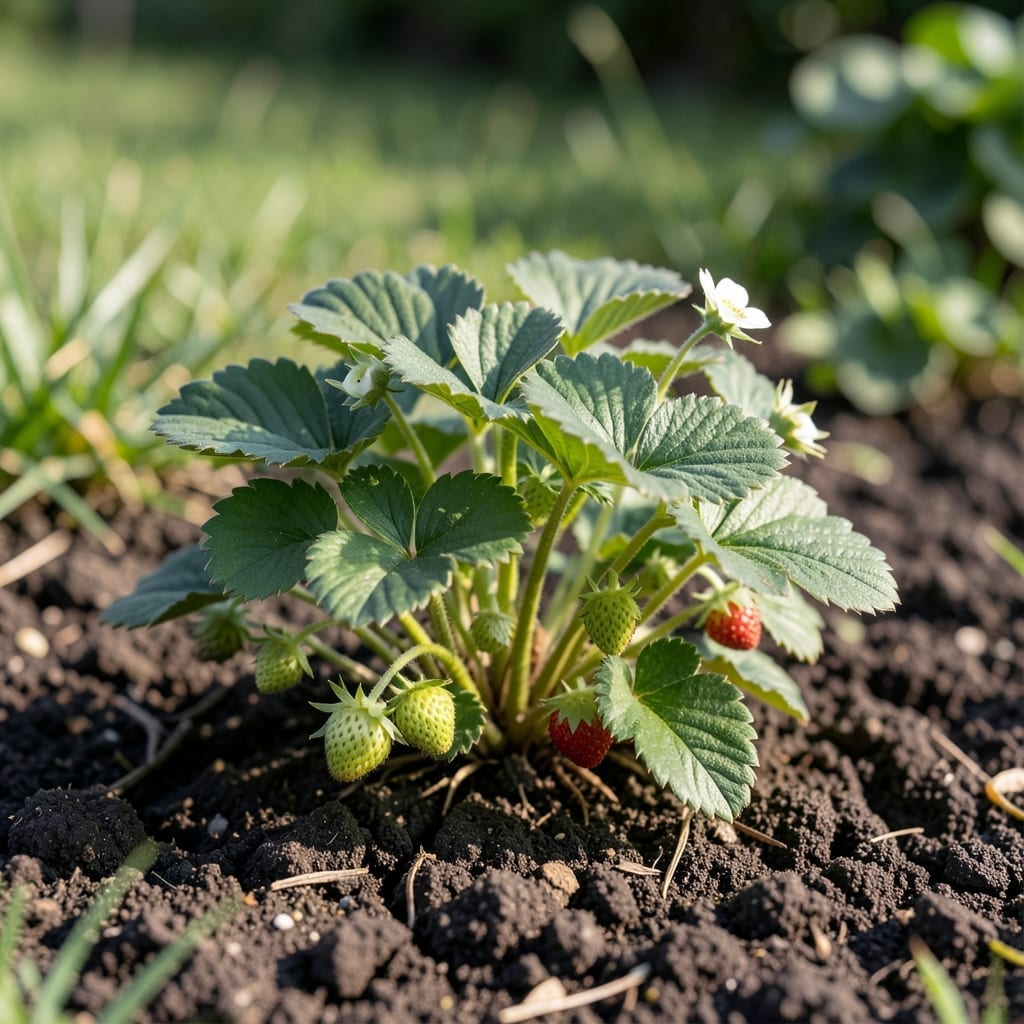
Strawberry plants sitting there doing nothing is frustrating. I’ve had seasons where mine produced zero berries despite looking healthy, and the culprit was always something fixable.
Most often it’s light—strawberries need 6-8 hours of sun daily. Then there’s soil: too dense or nutrient-poor, and they’ll focus on leaves, not fruit. Watering inconsistently can stall growth too.
Once I adjusted these basics, my plants went from leafy green blobs to producing pints of fruit. The fix is usually simpler than you think, and the payoff is sweet.
Let’s figure out what’s holding yours back. With a few tweaks, you’ll see runners spreading and berries forming in no time.
Strawberry plants may struggle to grow due to a few key environmental or care-related factors. Understanding these can help you take corrective action. Below are the most common causes:
Strawberries thrive in well-draining, slightly acidic soil (pH 5.5–6.8). Compacted or nutrient-poor soil restricts root development, while overly alkaline or waterlogged soil can block nutrient uptake. Ensure your soil is loose, rich in organic matter, and properly aerated for optimal growth.
Strawberries require 6–10 hours of direct sunlight daily. Without enough light, photosynthesis slows, leading to weak growth and fewer berries. If your plants are in shade, relocate them to a sunnier spot or trim nearby foliage blocking light.
Inconsistent moisture levels stress strawberry plants. Overwatering causes root rot, while underwatering leads to drought stress. Aim for 1–1.5 inches of water per week, keeping soil moist but not soggy. A drip irrigation system helps maintain steady hydration.
Strawberries prefer 60–80°F (15–27°C) for growth. Frost can damage blossoms, while extreme heat stresses plants. Use row covers in cold snaps and provide afternoon shade in scorching weather to protect your crop.
Common pests like aphids, slugs, or spider mites sap plant energy, while diseases such as powdery mildew or gray mold stunt growth. Inspect leaves regularly and treat infestations with organic sprays (e.g., neem oil) or remove affected foliage promptly.
Struggling with stubborn strawberries? Try these targeted fixes to revive your patch and boost growth.
Strawberries thrive in well-draining, nutrient-rich soil. Work in 2-3 inches of compost or aged manure before planting. For existing plants, top-dress with compost and mulch with straw to retain moisture. Prevention tip: Test soil pH yearly—aim for 5.5–6.5 for optimal uptake.
Strawberries need 6–10 hours of direct sun daily. If your bed is shady, move plants to a sunnier spot or trim overhanging branches. Container growers: rotate pots to ensure even light exposure. Prevention tip: Avoid north-facing walls or dense tree cover when planning your patch.
Inconsistent moisture stresses plants. Water deeply 1–2 times weekly (more in heatwaves) at the base—not leaves—to prevent rot. Use drip irrigation for precision. Prevention tip: Mulch heavily (straw or pine needles) to retain moisture and suppress weeds.
Slugs, aphids, or gray mold? Handpick pests or use neem oil for organic control. Remove infected leaves immediately and space plants 12–18 inches apart for airflow. Prevention tip: Plant disease-resistant varieties like ‘Albion’ or ‘Seascape’.
Too many plants compete for resources. Thin runners to 3–4 strong plants per square foot and divide clumps every 2–3 years. Prevention tip: Renovate beds after harvest by trimming foliage and fertilizing.
💡 Pro Tip: Feed plants with a balanced 10-10-10 fertilizer at planting and after fruiting to replenish nutrients.
Strawberries thrive with 6–10 hours of direct sunlight each day. Less than this slows growth and reduces fruit production. If your garden is shady, consider containers you can move to sunnier spots.
They prefer slightly acidic soil with a pH between 5.5–6.5. Test your soil yearly and amend with compost or sulfur if needed to reach this range.
Water deeply 1–2 times per week, ensuring the soil stays moist but not soggy. Use drip irrigation to avoid wetting the leaves, which can lead to disease.
Yes! Too many plants compete for nutrients and space. Thin to 3–4 plants per square foot and divide clumps every 2–3 years for best results.