
Beautiful Plants For Your Interior
Beautiful Plants For Your Interior
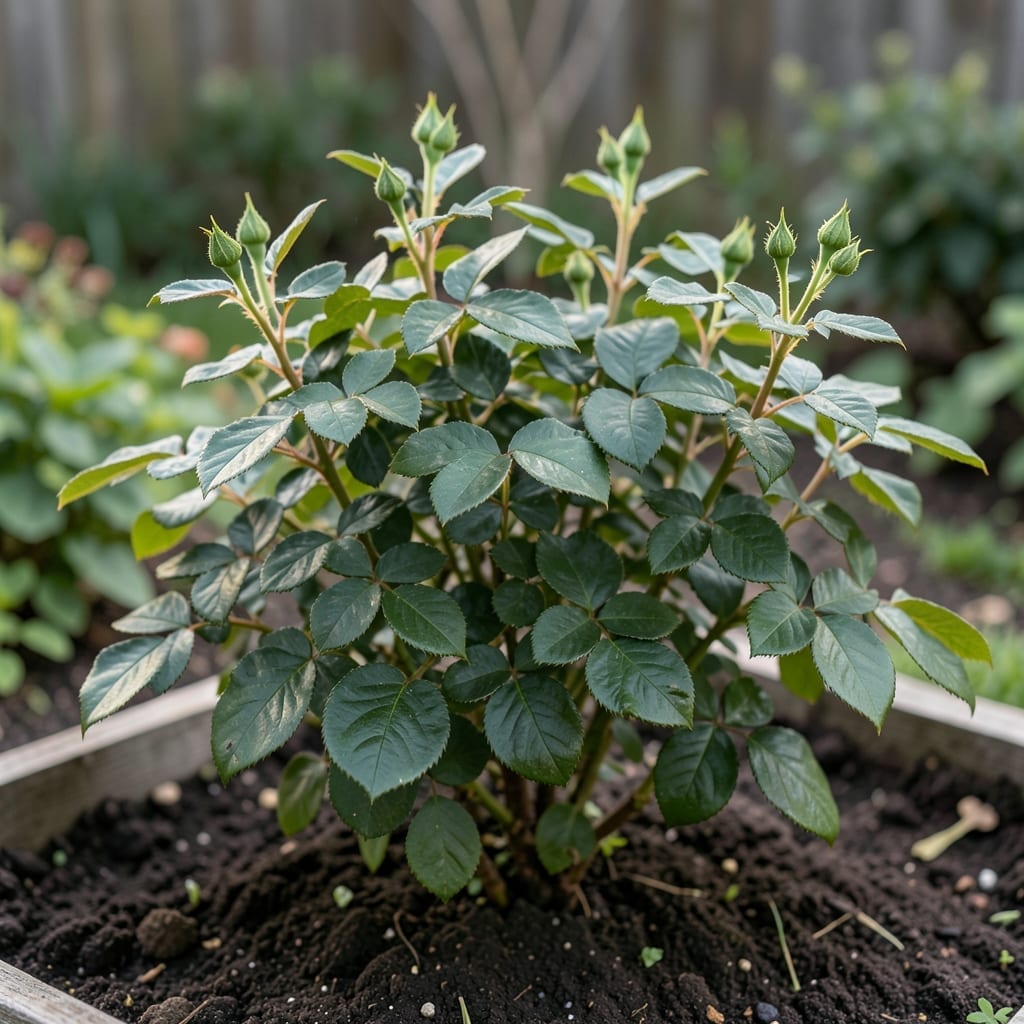
Nothing’s more frustrating than healthy green plants that refuse to flower. I’ve stared at my own stubborn bloomers, wondering why they’re holding back their beauty.
The usual suspects? Not enough light, the wrong nutrients, or timing that’s just off. I’ve learned that even a slight adjustment—more sun, a different fertilizer, or patience for the right season—can make all the difference.
It’s not about forcing nature, but giving your plants what they’re quietly asking for. Small tweaks often unlock dramatic results in just a few weeks.
No matter your experience level, diagnosing the issue is simpler than you think. Let’s figure out what your flowers need to finally show off.
Flowers may fail to bloom due to several common but fixable issues. Understanding the root cause helps you take the right corrective action.
Most flowering plants require 6–8 hours of direct sunlight daily. Without enough light, they focus energy on foliage growth instead of producing blooms. Shade-tolerant varieties (e.g., impatiens) may still flower, but sun-loving plants like roses or lavender will struggle in dim conditions.
Too much water can rot roots, while too little stresses the plant, both disrupting the blooming cycle. Wilting leaves or yellowing foliage often signal water imbalance. Aim for consistent moisture—check soil 1–2 inches deep; water only if dry.
Excess nitrogen promotes leafy growth but reduces flowers. Phosphorus, however, encourages blooming. Use a balanced fertilizer (e.g., 10-10-10) or switch to a bloom-boosting formula (e.g., 7-9-5) as the flowering season approaches.
Some plants bloom only in specific seasons or after reaching maturity. For example, peonies may take 2–3 years to flower from seed. Research your plant’s natural cycle to align care with its blooming timeline.
Pruning at the wrong time (e.g., late summer for spring bloomers) can remove flower buds. Prune spring-flowering plants right after they bloom, and summer bloomers in early spring or late winter.
If your flowers are stubbornly staying bud-free, don’t give up! The fixes are often simpler than you think. Below, we map common causes to actionable solutions—plus tips to keep blooms coming back.
Most flowering plants need 6–8 hours of direct sunlight daily. If your garden is shady, relocate pots to sunnier spots or trim back overhanging branches. For indoor plants, place them near a south-facing window. Prevention tip: 💡 Rotate pots weekly to ensure even light exposure.
Flowers need nutrients to bloom. Test your soil—if it’s lacking, mix in compost or a balanced fertilizer (10-10-10 works for most species). Avoid over-fertilizing with nitrogen, which promotes leafy growth at the expense of flowers. Prevention tip: 🌿 Refresh soil annually with organic matter to maintain fertility.
Some plants bloom on a strict schedule. If yours aren’t flowering, check if they’re day-length sensitive (e.g., poinsettias need short days to bloom). For perennials, ensure you’re not pruning at the wrong time—trim spring bloomers after flowers fade, not before. Prevention tip: 📅 Keep a gardening calendar to sync care with natural cycles.
Too much water can rot roots, while too little stresses plants. Stick your finger 1–2 inches into the soil—if it’s dry, water deeply; if it’s soggy, hold off. Use pots with drainage holes and water in the morning to reduce evaporation. Prevention tip: 💦 Mulch around plants to retain moisture and prevent extremes.
Pests like aphids or fungal infections (e.g., powdery mildew) sap a plant’s energy. Spray with neem oil or insecticidal soap for bugs, and remove infected leaves to stop disease spread. Prevention tip: 🛡️ Inspect plants weekly and encourage beneficial insects like ladybugs.
Small tweaks can yield big results—start with the most likely culprit and watch your garden burst into color!
Most need 6–8 hours of direct sunlight to produce blooms. Without enough light, they focus on leaf growth instead. Shade-tolerant varieties may still flower, but sun-lovers like roses will struggle.
Yes, but use the right type—too much nitrogen promotes leaves, not flowers. Switch to a bloom-boosting fertilizer like 7-9-5 as the flowering season approaches.
Pruning spring bloomers in late summer removes flower buds. Always prune spring plants right after they bloom and summer bloomers in early spring.
This usually signals excess nitrogen or insufficient light. Reduce high-nitrogen fertilizer and ensure 6–8 hours of sunlight daily. Adjust care to prioritize blooming.