
Beautiful Plants For Your Interior
Beautiful Plants For Your Interior
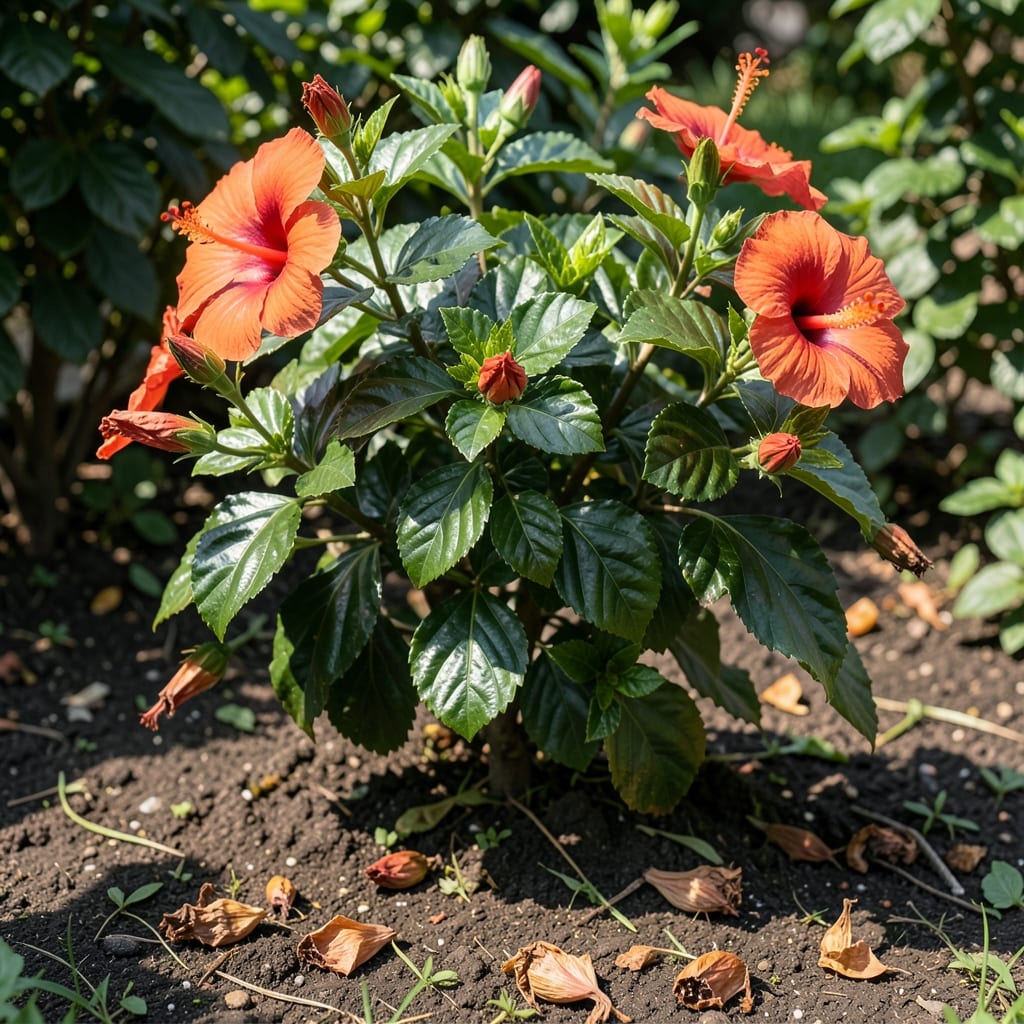
Watching your hibiscus buds drop before they open is heartbreaking. I’ve been there—one day they’re plump and promising, the next they’re on the soil like tiny green tears.
This usually signals stress, and the culprits are often simpler than you’d think. I learned the hard way that overwatering does more damage than drought, and sudden temperature swings can shock even the hardiest plants.
We’ll walk through the most common triggers and how to fix them. The good news? Most issues are fixable with small adjustments to your care routine.
With a few tweaks, your hibiscus will reward you with vibrant blooms that last through the season. Let’s get to the root of the problem.
Hibiscus bud drop can be frustrating, but understanding the why behind it helps you fix the issue. Here are the most common causes:
Hibiscus thrive in consistent warmth (60–90°F). Sudden temperature swings—especially cold drafts or heat spikes—disrupt their growth cycle, causing buds to abort. Even a single night below 50°F can trigger bud drop.
Both overwatering and underwatering stress the plant. Soggy soil suffocates roots, while drought halts nutrient flow. Hibiscus need moist but well-drained soil—check the top inch of soil before watering.
Hibiscus are heavy feeders. Low phosphorus or potassium (key for flowering) weakens buds, causing them to drop. Use a balanced fertilizer (e.g., 10-10-10) or a bloom booster (higher in P/K) every 2–4 weeks during growing season.
Thrips, aphids, and spider mites sap plant energy, stressing buds. Inspect leaves for sticky residue (aphids) or webbing (mites). Treat with neem oil or insecticidal soap weekly until pests are gone.
Repotting, moving, or sudden light changes (e.g., from shade to full sun) can shock hibiscus. Acclimate plants gradually to new conditions to prevent bud loss.
Don’t lose hope if your hibiscus buds are dropping—most causes are fixable with a few simple tweaks. Below are targeted solutions for the most common issues, plus prevention tips to keep your plant thriving.
If extreme heat or cold is the culprit, move your hibiscus to a shadier spot during peak sun or indoors if temperatures dip below 50°F (10°C). Use a cloche or frost blanket for outdoor plants in cooler climates. Prevention tip: 💡 Maintain a consistent temperature between 60–85°F (15–29°C) for optimal bud retention.
For underwatering, give your hibiscus a deep soak until water drains from the bottom, then let the top inch of soil dry out before watering again. For overwatering, stop watering immediately and check the roots for rot—trim any black, mushy roots and repot in fresh, well-draining soil. Prevention tip: ✨ Water in the early morning to reduce evaporation and fungal risks.
Switch to a balanced, water-soluble fertilizer (like 10-10-10 or 20-20-20) and feed every 2–4 weeks during the growing season. If phosphorus is lacking (common in bud drop), use a bloom-boosting fertilizer higher in the middle number (e.g., 7-9-5). Prevention tip: 🎯 Flush the soil with water every 4–6 weeks to prevent salt buildup from fertilizers.
Spray neem oil or insecticidal soap at the first sign of aphids, thrips, or spider mites, focusing on the undersides of leaves and buds. For severe cases, remove heavily infested buds or leaves. Prevention tip: 🌿 Introduce beneficial insects like ladybugs or lacewings to your garden for natural pest control.
If roots are circling the pot, upsize to a container 2–3 inches larger in diameter. Use fresh potting mix with perlite or sand for drainage. Loosen the root ball gently before repotting to encourage new growth. Prevention tip: 🔄 Repot every 1–2 years to prevent root crowding.
Yes! Soggy soil suffocates roots, preventing nutrient uptake. Hibiscus need moist but well-drained soil—always check the top inch before watering.
Look for sticky residue, webbing, or tiny insects on leaves and buds. Treat with neem oil or insecticidal soap weekly until pests disappear.
It can if done abruptly. Always acclimate gradually and repot in fresh, well-draining soil. Avoid repotting during extreme weather.
Use a balanced fertilizer every 2-4 weeks during growing season. For bud retention, choose one higher in phosphorus and potassium.