
Beautiful Plants For Your Interior
Beautiful Plants For Your Interior
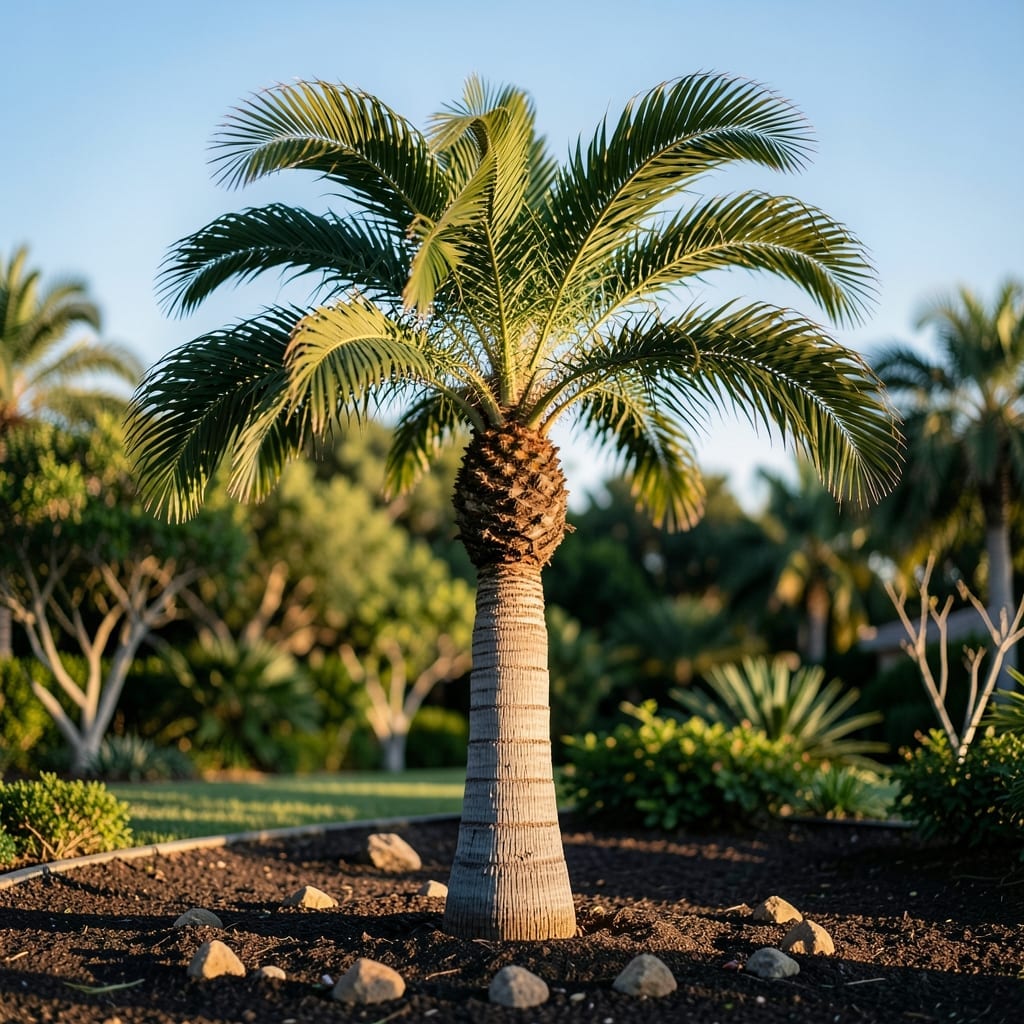
Palm trees grow tall to reach sunlight in dense tropical forests, outcompeting other plants. Their height also helps spread seeds farther and resist flooding in coastal areas.
In their native habitats, palms face fierce competition for light, so height becomes a survival advantage. 🌟 I’ve noticed that taller specimens can distribute seeds over wider areas, giving offspring a better chance to take root in suitable spots. Additionally, their elevated canopies help them withstand storm surges and salty coastal winds that shorter plants can’t endure.
💡 In This Article
In dense tropical rainforests, light is a fiercely contested resource. Palm trees evolved their towering stature to rise above the canopy layer, where they can access 6-8 hours of direct sunlight daily. This vertical growth strategy allows them to outcompete shorter plants that remain shaded beneath the forest’s multiple layers. 🌟
Their height also enhances seed dispersal through a clever mechanism. coconut palms, for example, can grow up to 100 feet tall, allowing their heavy fruits to fall farther from the parent tree. This increases the chances of seeds landing in nutrient-rich, unshaded areas where they’re more likely to germinate successfully.
Coastal palm species developed tall trunks as a flooding adaptation. The elevated crown keeps vital leaves and reproductive structures above storm surges and high tides. Some mangrove-associated palms can withstand saltwater immersion for 24-48 hours without damage to their upper canopy. ⚡
What’s particularly fascinating is how this height advantage creates a positive feedback loop. Taller palms produce more fruits, which in turn results in more seeds being dispersed over wider areas. This evolutionary strategy has allowed palm species to dominate both forest canopies and coastal ecosystems across tropical regions worldwide.
Scientists have observed that in undisturbed rainforests, palm trees can account for up to 25% of all tree species. Their height not only gives them a competitive edge but also creates microhabitats that support diverse epiphytes, birds, and insects that depend on their towering structures for survival. ✨
No, height varies greatly by species. Coconut palms reach 100 feet, while pygmy date palms max out at 10-12 feet. Always check your variety’s expected mature height before planting.
Growth rates differ, but most palms add 1-2 feet per year under ideal conditions. Fast growers like queen palms can reach 50 feet in 15-20 years. Proper care accelerates this process.
Yes, through container growing or strategic pruning. Container-grown palms stay smaller due to root restriction. For in-ground palms, avoid over-fertilizing which can spur excessive growth.
Most palms are tropical and need year-round warmth to thrive. Cold temperatures slow growth and can damage fronds. Some hardy species exist but rarely achieve tropical heights.