
Beautiful Plants For Your Interior
Beautiful Plants For Your Interior
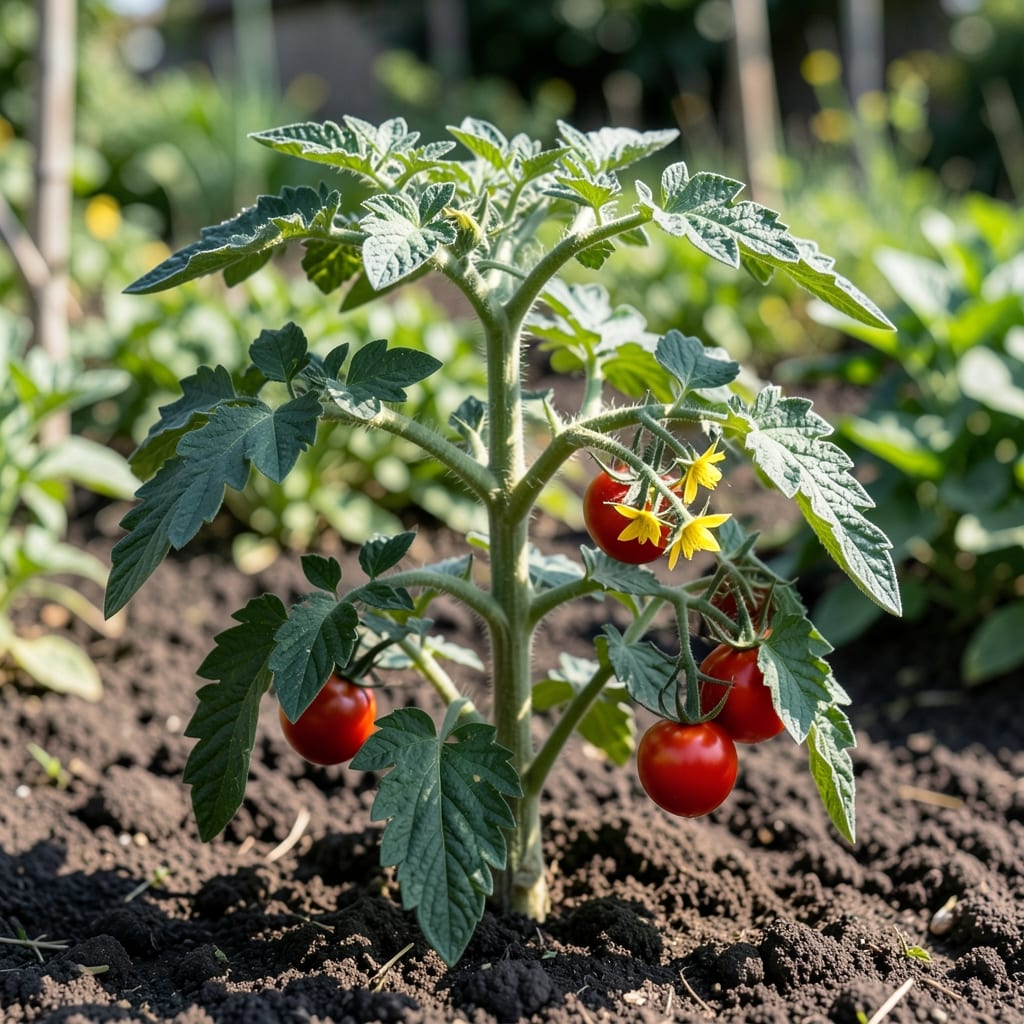
Nothing deflates a gardener faster than seeing tomato plants droop overnight. I’ve lost count of how many times I’ve rushed to check soil moisture first thing in the morning.
Wilting usually means one of three things: too much water, too little, or something attacking the roots. The fix is often simpler than you think—just requires a quick diagnosis and fast action.
Most of my wilting scares turned out to be overwatering rather than drought. A finger in the soil tells the real story before any damage becomes permanent.
We’ll walk through the most common causes and solutions so your plants bounce back within hours of treatment.
Tomatoes wilt when their cells lose turgor pressure, often due to environmental stress or disease. Here are the most common causes:
Tomatoes thrive in warm conditions, but temperatures above 90°F (32°C) can cause wilting. High heat increases transpiration, making it hard for roots to supply enough water. Leaves may droop during the hottest part of the day but recover in cooler evenings. If wilting persists, provide shade cloth or improve air circulation.
Inconsistent watering is a leading cause of wilting. Too little water prevents nutrient uptake, while too much suffocates roots and promotes fungal growth. Check soil moisture 1-2 inches deep—if dry, water deeply; if soggy, let it drain. Drip irrigation helps maintain steady moisture levels.
Fusarium and Verticillium wilt are common soil-borne fungi that block water flow in stems. Bacterial wilt (Ralstonia solanacearum) causes sudden drooping and yellowing. Look for brown streaks in stems or discolored vascular tissue. Remove infected plants immediately and rotate crops to prevent spread.
Root-feeding pests like nematodes or stem-boring insects (e.g., tomato hornworms) disrupt water transport. Check for chewed roots, holes in stems, or frass (insect droppings). Use neem oil or beneficial nematodes for control.
Damaged or restricted roots (from transplant shock, compaction, or poor soil) can’t absorb water efficiently. If roots are circled (root-bound), gently loosen them before planting. Avoid over-fertilizing, as salt buildup can burn roots.
Wilting tomatoes can often be revived with the right approach. Below are targeted solutions for the most common causes, along with prevention tips to keep your plants thriving.
Give your tomatoes a deep soak at the base (not the leaves) to encourage strong root growth. Water in the early morning to reduce evaporation. Prevention: Check soil moisture 1–2 inches deep—if it’s dry, it’s time to water. Mulch around plants to retain moisture.
Stop watering immediately and let the soil dry out slightly. If the soil stays soggy, amend it with compost or sand to improve drainage. Prevention: Use well-draining soil and containers with drainage holes. Stick to a consistent watering schedule (e.g., every 2–3 days in hot weather).
For aphids or whiteflies, spray plants with a neem oil solution or insecticidal soap. Remove heavily infested leaves. For fungal issues (like early blight), apply a copper fungicide and prune affected areas. Prevention: Rotate crops yearly, avoid overhead watering, and space plants for airflow.
Provide temporary shade with a cloth or lattice during peak afternoon heat. Increase watering frequency (but avoid soggy soil). Prevention: Plant heat-tolerant varieties like Solar Fire or Heatmaster, and use mulch to keep roots cool.
If roots were disturbed during transplanting or weeding, give the plant time to recover. Avoid further stress by keeping soil consistently moist (not soaked). Prevention: Handle seedlings carefully, and avoid cultivating too close to the stem.
💡 Pro Tip: Wilting in the evening is often normal—tomatoes recover overnight. Only act if wilt persists into the morning!
Check the soil 1-2 inches deep with your finger. If it’s bone dry, it needs water. If it’s soggy, hold off and let it drain. Overwatered plants often have yellowing leaves, while underwatered ones feel crispy.
Yes! Evening wilting is often normal due to heat stress. If they perk up by morning, no action is needed. Only worry if the wilt persists through the cooler hours.
First, check the roots for damage or pests. Then give a deep watering at the base and provide shade if it’s hot. Most plants bounce back within 24 hours if the issue is water-related.
Only if they’re yellow, brown, or damaged. Green leaves that are just droopy will often recover. Removing healthy leaves reduces the plant’s ability to photosynthesize and recover.