
Beautiful Plants For Your Interior
Beautiful Plants For Your Interior
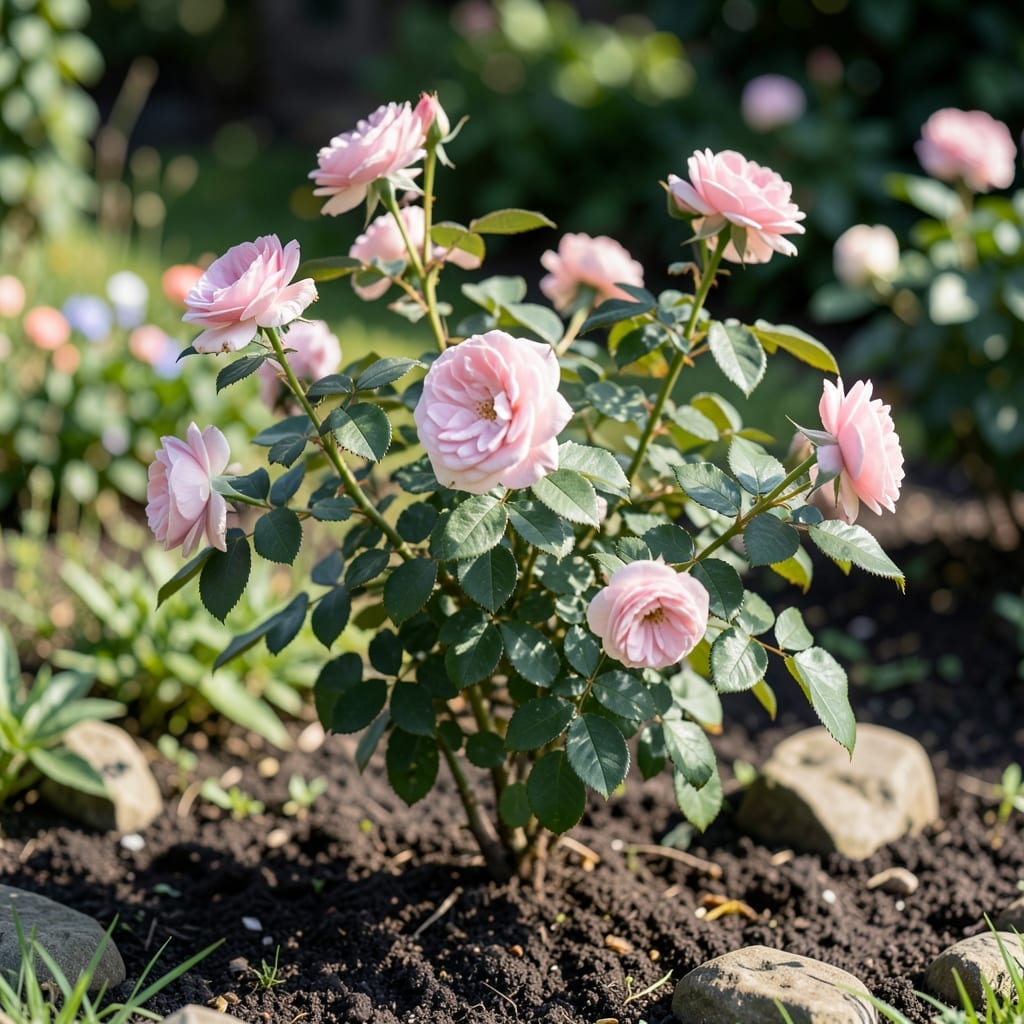
Nothing breaks a gardener’s heart faster than seeing roses hang their heads. Last season, I watched my prized climbers droop overnight and learned the hard way it’s rarely just one issue.
Usually it’s water—too much or too little—or a sudden temperature swing. Sometimes pests or disease sneak in when plants are stressed from poor soil or bad airflow.
I always check soil moisture with my finger first, then look for yellowing leaves or spots. Most problems fix fast once you know what to look for.
With a little observation and quick action, your roses can bounce back stronger. Let’s figure out what’s happening with yours.
Roses droop for several specific reasons, often tied to their environment or care. Understanding the root cause is the first step to reviving your plants. Here’s why it happens:
Roses are sensitive to moisture levels. Overwatering suffocates roots, preventing oxygen uptake and leading to wilting. Meanwhile, underwatering causes dehydration, making leaves and stems limp. Check soil moisture 1-2 inches deep—it should be slightly damp, not soggy or bone-dry.
Extreme heat or cold shocks roses, disrupting their vascular system. In high temperatures, roses lose water faster than they can absorb it, causing droop. Frost or sudden cold snaps damage cells, leading to wilting. Ideal temperatures for most roses range between 60–75°F (15–24°C).
Common culprits like aphids, spider mites, or fungal diseases (e.g., powdery mildew or black spot) weaken roses by feeding on sap or blocking water transport. Inspect leaves for spots, webbing, or sticky residue—a sign of pest infestation.
Roses thrive in well-draining, loamy soil with a pH of 6.0–6.5. Compacted or clay-heavy soil restricts root growth, while sandy soil drains too quickly. Nutrient deficiencies (especially nitrogen, potassium, or magnesium) can also cause drooping. A soil test reveals imbalances.
Transplant shock, aggressive pruning, or physical injury to roots disrupts water and nutrient uptake. If roots are brown, mushy, or broken, the plant can’t support its stems and leaves, leading to droop.
Droopy roses can often be revived with the right care. Below are targeted solutions for common causes, along with prevention tips to keep your blooms perky.
If the soil feels dry 1-2 inches down, your roses need water. Fix: Water deeply at the base (not leaves) in the early morning to reduce evaporation. Use a soaker hose or drip irrigation for even moisture. Prevention: Mulch around the base with organic material (like bark or straw) to retain moisture. Check soil weekly—roses typically need 1-2 inches of water per week.
Yellowing leaves or soggy soil? You’re likely overwatering. Fix: Stop watering immediately and let the soil dry out. If root rot is suspected, trim affected roots and repot in fresh, well-draining soil. Prevention: Use pots with drainage holes or amend garden soil with compost. Water only when the top 2 inches of soil are dry.
Weak stems or pale leaves signal a lack of nutrients. Fix: Apply a balanced, slow-release rose fertilizer (10-10-10) or organic options like compost tea. Follow package instructions for dosage. Prevention: Feed roses every 4-6 weeks during growing season (spring to fall). Avoid over-fertilizing, which can burn roots.
Aphids, spider mites, or fungal infections (like powdery mildew) can weaken roses. Fix: Spray with neem oil or insecticidal soap for pests. For fungi, use a fungicide and remove infected leaves. Prevention: Prune regularly to improve airflow, and avoid wetting leaves when watering. Keep the garden clean to deter pests.
Wilting in hot afternoons? Roses may be overheating. Fix: Move potted roses to a shadier spot or use shade cloth for garden plants. Water in the morning to help them cope. Prevention: Plant heat-tolerant rose varieties if you live in a warm climate. Mulch heavily to keep roots cool.
💡 Pro Tip: Consistency is key! Roses thrive on routine care—water, feed, and inspect them regularly to catch issues early.
Stick your finger 1-2 inches into the soil. If it feels dry, it’s time to water. Drooping leaves in the morning often signal thirst.
Water early in the morning, ideally before 10 AM. This allows foliage to dry during the day, reducing disease risk. Avoid evening watering.
Yes, if caught early. Trim affected roots, repot in fresh soil, and reduce watering. Severe cases may require replacing the plant.
They lose water faster than roots can absorb it. Provide afternoon shade and maintain consistent moisture to help them cope.