
Beautiful Plants For Your Interior
Beautiful Plants For Your Interior
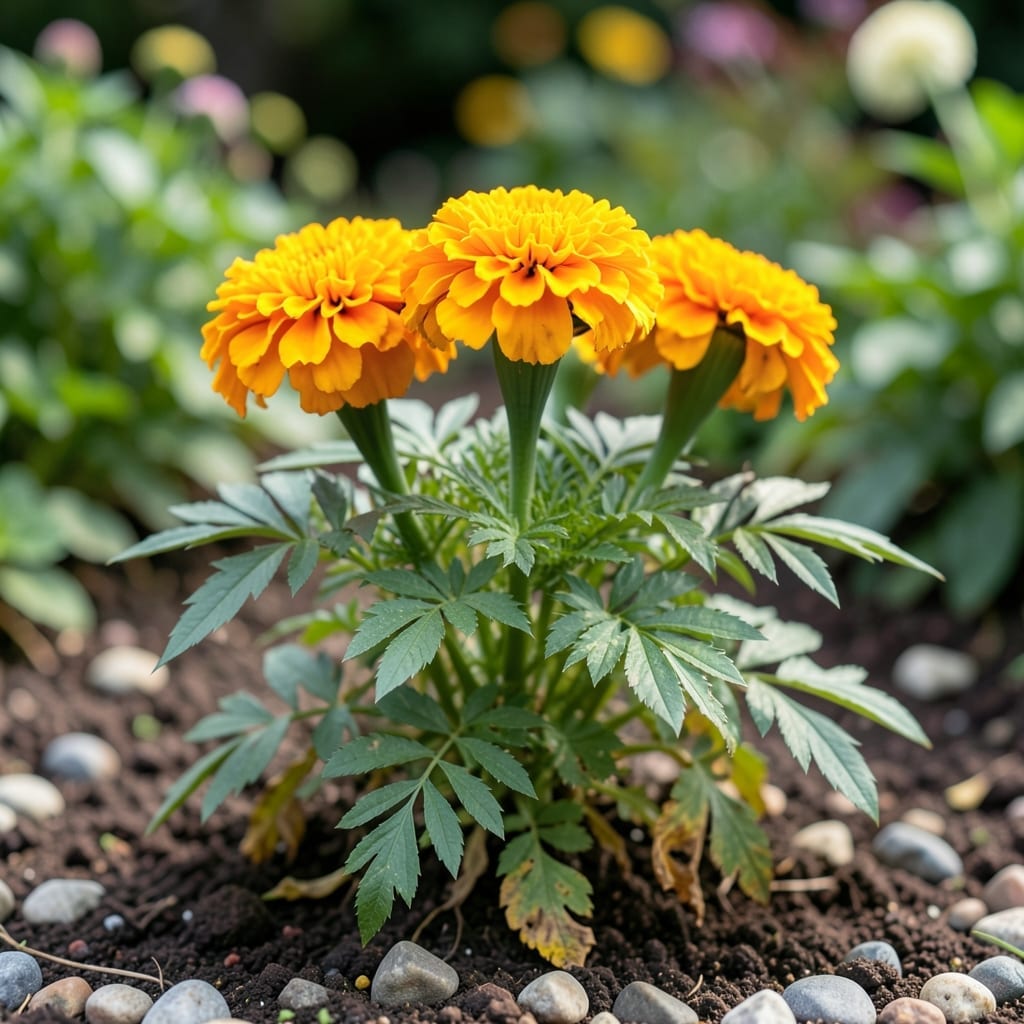
Watching marigolds wilt is heartbreaking, especially when they started so strong. I’ve lost more than I’d like to admit to simple mistakes that are easy to fix once you know what to look for.
The usual suspects are overwatering, poor drainage, or pests hiding under leaves. Most problems show up first in the leaves—yellowing, spots, or sudden drooping are your plant’s way of asking for help.
With a few adjustments to your care routine, you can often nurse them back to health. The key is catching issues early before they spread to the whole plant.
Prevention starts with good soil, proper spacing, and consistent moisture checks. A little attention now means vibrant blooms all season long.
Marigolds are hardy, but even these vibrant blooms can wilt under stress. Here’s why your plants might be struggling, with clear fixes for each issue.
Marigolds hate soggy roots. Overwatering suffocates the roots, cutting off oxygen and inviting fungal diseases like root rot. Similarly, compacted or clay-heavy soil traps moisture. Check soil drainage: if water pools for hours after watering, it’s time to amend the soil with compost or sand.
While marigolds thrive in full sun (6+ hours daily), intense heat (especially in desert climates) can scorch leaves, causing browning and wilting. Conversely, shade-heavy spots lead to leggy, weak stems and fewer blooms. Aim for bright, indirect light in peak afternoon hours if temperatures soar above 90°F (32°C).
Spider mites, aphids, and whiteflies love marigolds. These pests suck sap from leaves, leaving stippled, yellowed, or curled foliage. Check undersides of leaves for tiny webs (mites) or sticky residue (aphids). A blast of water or neem oil spray can evict them early.
Yellowing leaves (starting at the bottom) often signal nitrogen deficiency, while purple-tinged stems suggest phosphorus shortage. Over-fertilizing, especially with high-nitrogen blends, can also reduce flowering. Use a balanced 10-10-10 fertilizer sparingly—marigolds aren’t heavy feeders.
Marigolds prefer 60–75°F (15–24°C). Sudden frost or prolonged heatwaves stress the plant, causing wilting or stunted growth. In cold climates, plant after the last frost; in hot zones, mulch to retain moisture and provide afternoon shade.
If your marigolds are struggling, don’t lose hope—here’s how to nurse them back to health based on the most common issues:
Fix: Let the soil dry out between waterings. If the roots are soggy or black, trim affected areas and repot in fresh, well-draining soil. Use pots with drainage holes to prevent waterlogging.
Prevent: Water only when the top inch of soil feels dry. 💡Pro Tip: Stick your finger in the soil—if it’s damp, wait!
Fix: Move potted marigolds to a spot with 6–8 hours of sunlight daily. If they’re scorched, provide afternoon shade. For leggy, pale plants, gradually increase sun exposure to avoid shock.
Prevent: Plant in a location with consistent, bright light. Rotate pots weekly for even growth.
Fix: Spray aphids or spider mites off with water or use insecticidal soap. For severe cases, apply neem oil (mix 1 tbsp oil + 1 tsp dish soap per gallon of water) every 3–5 days.
Prevent: Inspect leaves regularly and encourage beneficial insects like ladybugs. Remove debris around plants to deter pests.
Fix: Yellow leaves? Use a balanced 10-10-10 fertilizer every 2–3 weeks. For poor blooming, switch to a phosphorus-rich (5-10-5) formula. Avoid over-fertilizing—it can burn roots.
Prevent: Mix compost into the soil at planting. ✨Pro Tip: Deadhead spent blooms to redirect energy to new growth.
Fix: Marigolds wilt in extreme heat? Water deeply in the morning and add mulch to retain moisture. If nights are chilly (below 50°F), cover plants with cloth or move pots indoors.
Prevent: Plant after the last frost and choose heat-tolerant varieties like ‘Crackerjack’ or ‘Taishan’ for hot climates.
Water when the top 1 inch of soil feels dry, typically every 2-3 days in hot weather. Always check soil moisture with your finger first.
Yes! Treat with neem oil or insecticidal soap at first signs of pests. Remove heavily infested leaves to prevent spread.
Yellow leaves often indicate overwatering or nitrogen deficiency. Reduce watering and use a balanced fertilizer if needed.
They thrive in 6-8 hours of sunlight but may need afternoon shade in extreme heat above 90°F.