
Beautiful Plants For Your Interior
Beautiful Plants For Your Interior
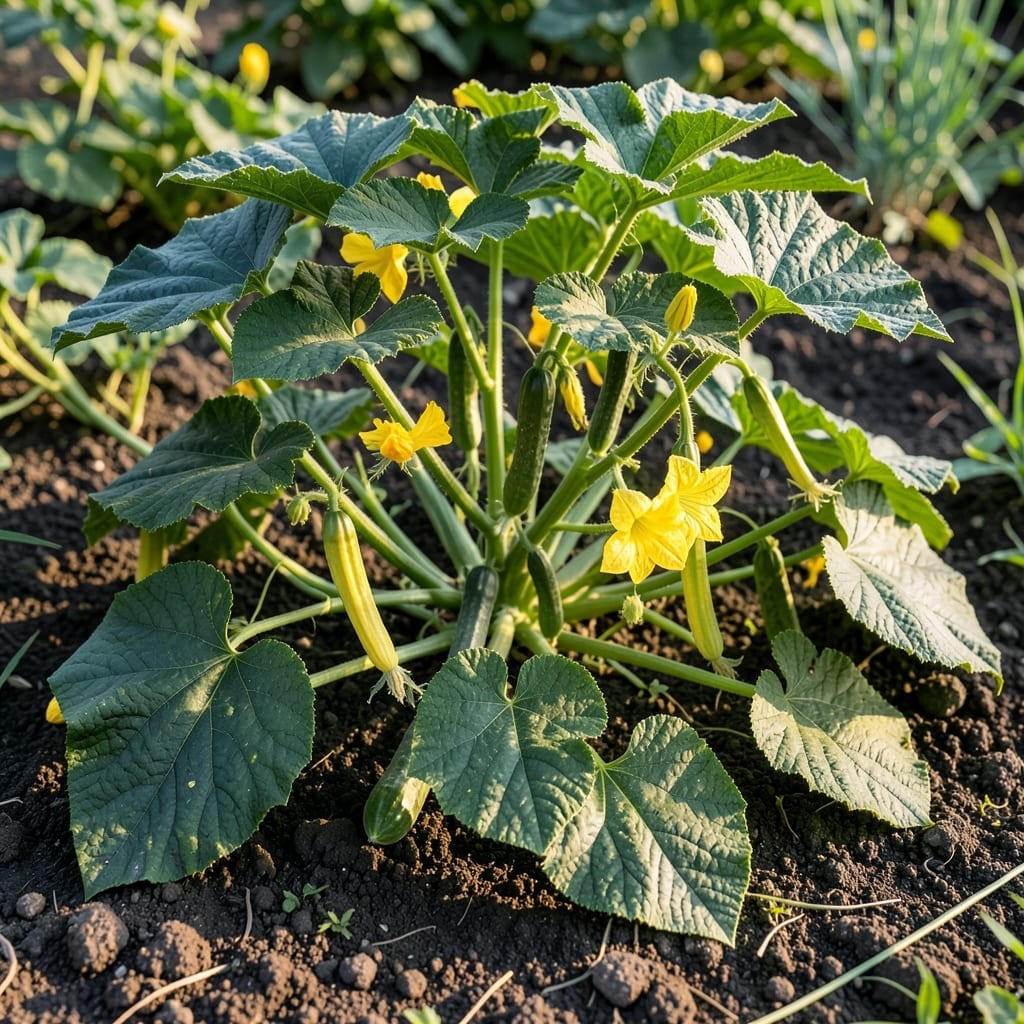
Yellow cucumbers in your garden aren’t necessarily a loss. I’ve pulled perfectly good ones off the vine at this stage, and they’re still crisp and flavorful if caught early.
The color change usually signals one of four issues: overripeness, disease, nutrient imbalance, or water stress. Each has distinct visual clues—spots, softening, or uneven color—that help pinpoint the problem.
With a few adjustments to your care routine, you can often salvage the current crop and prevent future batches from turning. The fixes are simpler than most gardeners expect.
Best part? Once you know what to look for, you’ll spot the warning signs days before the color shifts, giving you time to act.
Cucumbers turning yellow can stem from several underlying issues, often tied to environmental stress or biological factors. Here’s a breakdown of the most common causes:
Cucumbers thrive in warm but not extreme conditions. When exposed to prolonged heat above 90°F (32°C) or cold snaps below 50°F (10°C), the plants may produce yellow fruit. Heat stress disrupts chlorophyll production, while cold slows growth and nutrient uptake.
Inconsistent watering—either overwatering or underwatering—can lead to yellow cucumbers. Too much water suffocates roots, reducing nutrient absorption, while drought stress forces the plant to prioritize survival over fruit development. Aim for 1–2 inches of water per week, keeping soil moist but not soggy.
A lack of nitrogen or potassium often manifests as yellowing. Nitrogen deficiency causes overall pale leaves and fruit, while potassium shortage leads to yellow edges on leaves and cucumbers. Test soil and amend with a balanced fertilizer (10-10-10) or organic compost.
Pests like aphids or cucumber beetles sap nutrients from plants, weakening them and causing yellowing. Diseases such as powdery mildew or bacterial wilt also stress the plant, disrupting photosynthesis. Inspect leaves for spots, webbing, or sticky residue, and treat with neem oil or insecticidal soap.
Some cucumber varieties naturally turn yellow when left on the vine too long. Unlike green types, heirloom or lemon cucumbers are supposed to be yellow at maturity. If you’re growing standard green cucumbers, harvest them promptly—usually 50–70 days after planting—to avoid discoloration.
If your cucumbers are turning yellow, don’t panic—most issues are fixable with a few simple adjustments. Below are targeted solutions for the most common causes, paired with prevention tips to keep your harvest green and thriving.
Cucumbers left on the vine too long turn yellow as they mature. Pick them when they’re firm, bright green, and 6–8 inches long (or per your variety’s ideal size). Check plants daily in peak season—cucumbers can grow rapidly! Prevention tip: 💡 Set a reminder to inspect vines every 24–48 hours during warm weather.
Inconsistent watering leads to yellowing. Water deeply 1–2 inches per week, keeping soil evenly moist (not soggy). Use drip irrigation or a soaker hose to avoid wetting leaves, which can invite disease. Prevention tip: ✨ Mulch around plants with straw to retain moisture and regulate soil temperature.
Spider mites, aphids, or fungal infections (like powdery mildew) can stress plants, causing yellow cucumbers. Spray leaves with neem oil or insecticidal soap for pests. For fungi, remove affected leaves and improve airflow by spacing plants properly. Prevention tip: 🎯 Rotate crops yearly and avoid overhead watering to reduce disease risk.
Yellow leaves often signal a nitrogen or potassium shortage. Work compost or balanced fertilizer (10-10-10) into the soil at planting. For a quick fix, use a liquid fertilizer high in nitrogen. Prevention tip: 🌡️ Test your soil annually to monitor nutrient levels.
Scorching sun can bleach cucumbers. Use shade cloth (30–50%) during heatwaves, especially for afternoon sun. Ensure plants still get 6–8 hours of light daily. Prevention tip: 🍃 Plant near taller crops (like corn) for natural shade.
Yes, if they’re just overripe! They may be seedy or bitter, but are safe to eat. If the yellowing is due to disease or pests, inspect closely before consuming.
Overripe cucumbers are uniformly yellow and firm. Disease-related yellowing often comes with spots, softness, or leaf discoloration. Check for these signs on both fruit and plant.
Apply a liquid fertilizer high in nitrogen or potassium for quick absorption. For long-term health, work in compost or 10-10-10 fertilizer before planting.
Yes, remove overripe ones to encourage new growth. If disease is suspected, prune affected areas immediately to prevent spreading to healthy fruit.