
Beautiful Plants For Your Interior
Beautiful Plants For Your Interior
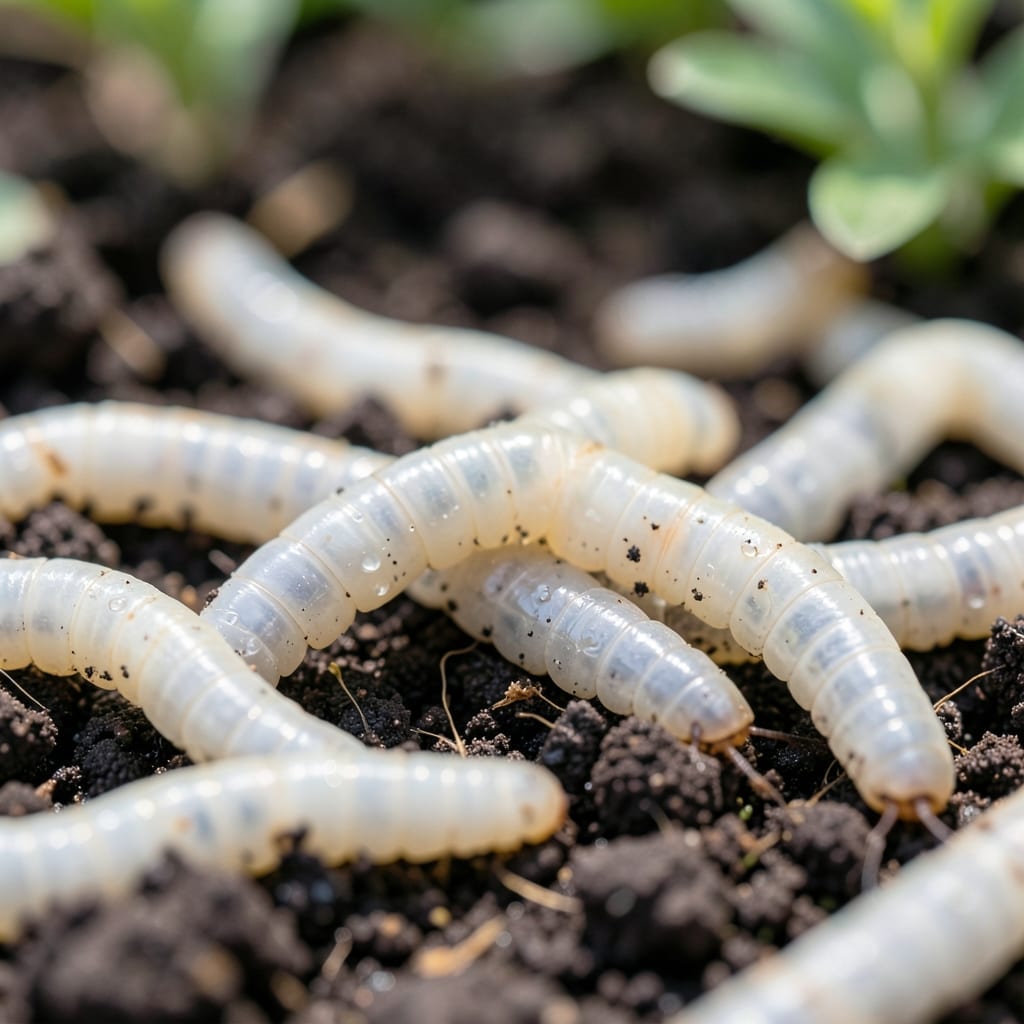
Spotted white worms in your soil and panicking? Don’t. I found these in my garden last spring and learned they’re often harmless—even beneficial—when properly managed.
The key is identifying whether you’re dealing with beneficial grubs, compost worms, or destructive chafer larvae. Non-toxic removal starts with observation and simple habitat adjustments rather than reaching for chemicals.
Within 2-3 weeks of targeted action, you’ll see soil health improve as the right creatures thrive and the wrong ones disappear. Your plants will show the difference in their vibrant growth and resistance.
This approach works for vegetable beds, flower gardens, and container plants alike. Here’s how to handle it naturally.
White worms in garden soil often appear due to specific environmental and biological factors. Below are the most common causes, explained with actionable insights.
Overwatering or poor drainage creates a damp environment where white worms like Enchytraeidae (pot worms) thrive. These worms favor consistently wet soil, often found in gardens with heavy clay or compacted soil. To fix this, improve drainage by adding organic matter like compost or using raised beds.
Decaying plant material, mulch, or uncomposted organic debris provides a food source for white worms. While they help break down matter, an excess can lead to overpopulation. Regularly turn the soil and balance organic additions with inorganic materials like sand to discourage rapid worm proliferation.
White worms are most active in cool, mild conditions (50–70°F). They avoid extreme heat or cold, which is why they’re often seen in spring or fall. If your garden stays consistently cool and shaded, these worms may establish themselves. Introducing sunlight (by pruning overhead plants) or using black plastic mulch can warm the soil and deter them.
Many white worm species prefer neutral to slightly alkaline soil (pH 7.0+). If your garden soil leans toward alkalinity, it may encourage their presence. Test your soil’s pH and amend it with sulfur or peat moss to lower acidity if needed.
Dealing with white worms in your garden can feel overwhelming, but these practical solutions will help you reclaim your soil without harsh chemicals. Below are targeted fixes for common causes, plus prevention tips to keep your garden thriving.
If excess moisture is attracting white worms, start by reducing watering and letting the top inch of soil dry out. For poor drainage, mix in compost or coarse sand to loosen the soil. Raised beds can also prevent waterlogging in clay-heavy areas.
Prevention tip: 💡 Water early in the day so soil dries faster, and use a moisture meter to avoid overdoing it.
White worms thrive in decomposing leaves, grass clippings, or mulch. Rake up old mulch and replace it with fresh, dry straw or wood chips. For vegetable gardens, rotate crops yearly to disrupt worm life cycles.
Prevention tip: ✨ Avoid piling organic matter directly against plant stems—keep it 2–3 inches away.
Introduce beneficial nematodes (like Heterorhabditis bacteriophora) to target grubs and larvae. Apply them to moist soil in the evening for best results. You can also handpick worms after rain when they surface.
Prevention tip: 🎯 Encourage birds, toads, and ground beetles—they’ll feast on worms and their eggs!
Revitalize your soil by adding mycorrhizal fungi or compost tea to crowd out harmful worms. Avoid synthetic fertilizers, which can kill beneficial microbes and leave room for pests.
Prevention tip: 🌡️ Test your soil annually and amend it based on the results to maintain balance.
No, many are beneficial! Compost worms and pot worms help break down organic matter. Only grubs like chafer larvae damage roots. Identify them first before taking action.
More than 10-15 worms per square foot may indicate overpopulation. Also watch for wilting plants or yellowing leaves, which suggest root damage.
Avoid vinegar—it harms soil health and beneficial microbes. Instead, try neem oil or introduce natural predators like birds and beetles.
They may reduce naturally if you adjust moisture and remove organic debris. For persistent issues, use beneficial nematodes or improve drainage.