
Beautiful Plants For Your Interior
Beautiful Plants For Your Interior
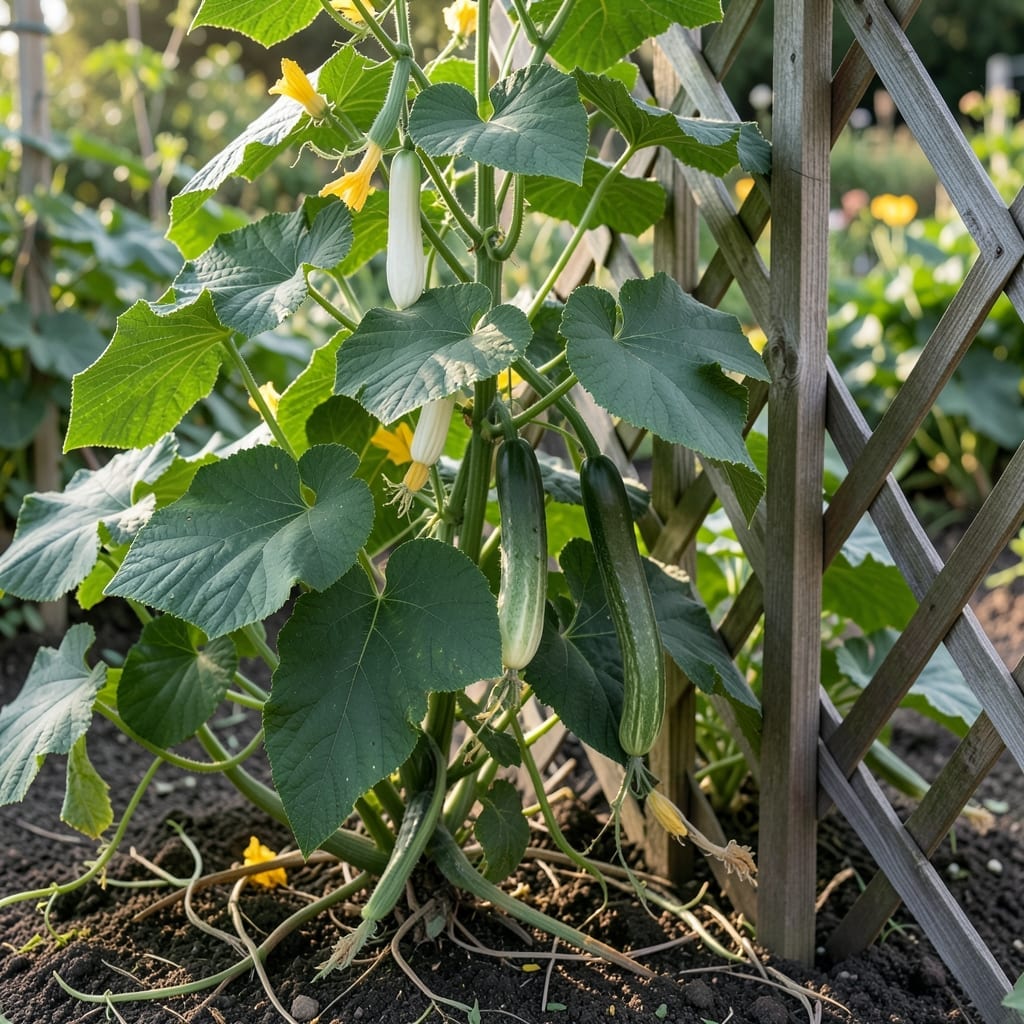
This ivory beauty shocked me with its crisp texture and sweet flavor. I planted my first White Wonder seeds on a whim, expecting average results—got the most productive cucumber patch I’ve ever grown instead.
They thrive in standard garden conditions with consistent watering and 6-8 hours of sun. The plants resist common diseases better than most varieties, and the pale fruits stand out against green foliage, making harvest a breeze.
📚 In This Guide
Here’s my time-tested method for cultivating these unique, ivory-skinned cucumbers to perfection.
Choose a location with full sun exposure and well-draining soil. White Wonder cucumbers thrive in warm conditions, so ensure the area receives at least 6-8 hours of direct sunlight daily. I always test my soil’s drainage by digging a 1-foot deep hole, filling it with water, and checking if it drains within 1-2 hours.
Work the soil to a depth of 12-15 inches, removing any rocks or debris. Mix in a generous amount of aged compost to improve fertility and structure. The soil should feel loose and crumbly in your hands, with no large clumps. This preparation prevents waterlogging and encourages strong root development.
Sow seeds 1 inch deep and 12 inches apart in rows spaced 3-4 feet apart. If using transplants, set them slightly deeper than their original containers to encourage additional root growth. I always plant a few extra seeds as insurance, then thin to the strongest seedlings once they develop 2-3 true leaves.
Water immediately after planting with 1-2 inches of water to settle the soil around the seeds or roots. Avoid overhead watering to prevent disease—direct the stream at the soil level. You’ll see germination in 7-14 days when soil temperatures are consistently above 60°F.
Maintain even soil moisture throughout the growing season, providing 1-1.5 inches of water weekly, either through rainfall or irrigation. The soil should feel consistently moist but never soggy—stick your finger 1 inch deep to check. Drought stress during fruiting can cause bitter cucumbers, which we want to avoid.
Install a trellis or support system when vines reach 6-8 inches long. White Wonder cucumbers grow vigorously and benefit from vertical support, which improves air circulation and reduces disease risk. I use soft plant ties to gently secure vines to the trellis as they grow, training them upward early to establish the habit.
Apply a balanced, water-soluble fertilizer every 2-3 weeks once the plants begin to vine. I’ve found that a side-dressing of compost mid-season provides an extra boost. Watch for the first yellow flowers—this is your signal that fruiting is imminent and the plant needs consistent nutrition.
Inspect plants weekly for common cucumber pests like cucumber beetles or aphids. The undersides of leaves are their favorite hiding spots. If you notice chewed leaves or sticky residue, act quickly with organic pest control methods. Early intervention prevents the spread that can devastate a crop.
White Wonder cucumbers are ready to harvest when they reach 6-8 inches long and have a smooth, creamy white skin. Unlike green varieties, you won’t see color change as the primary indicator. Instead, check the skin’s firmness and the cucumber’s overall size.
Use a sharp knife or pruning shears to cut the cucumber from the vine, leaving a short stem attached. Harvest every 2-3 days during peak production to encourage continued fruiting. The more you pick, the more the plant will produce. I always harvest in the morning when the cucumbers are most crisp and hydrated.
Small details make the difference between a mediocre crop and an abundant harvest of crisp cucumbers.
The Sunlight Factor: That 6-8 hours of direct sunlight daily in Step 1 isn’t just a suggestion—it’s critical for fruit development. I learned this the hard way when my first attempt in partial shade produced small, bitter cucumbers. Full sun exposure ensures proper photosynthesis and sugar development.
Soil Preparation Tip: When working the soil to 12-15 inches deep as mentioned in Step 1, don’t rush this process. I’ve found that taking the extra time to remove all rocks and debris prevents root obstruction and allows the taproot to grow straight down, which is essential for drought resistance.
Watering Wisdom: The 1-1.5 inches of water weekly in Step 3 should be consistent but not excessive. Confession: I overwatered my first crop and ended up with split cucumbers. Stick your finger 1 inch deep into the soil as directed—if it feels dry at that depth, it’s time to water. Morning watering is ideal as it allows foliage to dry before evening, reducing disease risk.
Support System Timing: Don’t wait until your vines are sprawling to install that trellis. In Step 3, the guidance to add support when vines reach 6-8 inches is perfect timing. I start training vines upward as soon as they’re long enough to reach the first rung—this establishes the habit early and prevents tangling.
Plant in well-draining soil with full sun (6-8 hours daily). Keep soil moist but not soggy, and use a trellis for vertical growth to save space and improve air circulation.
Harvest when cucumbers are 6-8 inches long and firm, usually 50-60 days after planting. Pick them early in the morning for the best crispness and flavor.
Watch for cucumber beetles, aphids, and powdery mildew. Use row covers early on and apply neem oil if pests appear. Ensure good airflow to prevent fungal issues.
Yes! Use a large container (at least 5 gallons) with drainage holes. Fill with potting mix, provide a trellis, and ensure consistent watering for container success.
Bitterness can result from uneven watering or stress. Keep soil consistently moist, avoid high-nitrogen fertilizers, and harvest young cucumbers for the sweetest taste.