
Beautiful Plants For Your Interior
Beautiful Plants For Your Interior
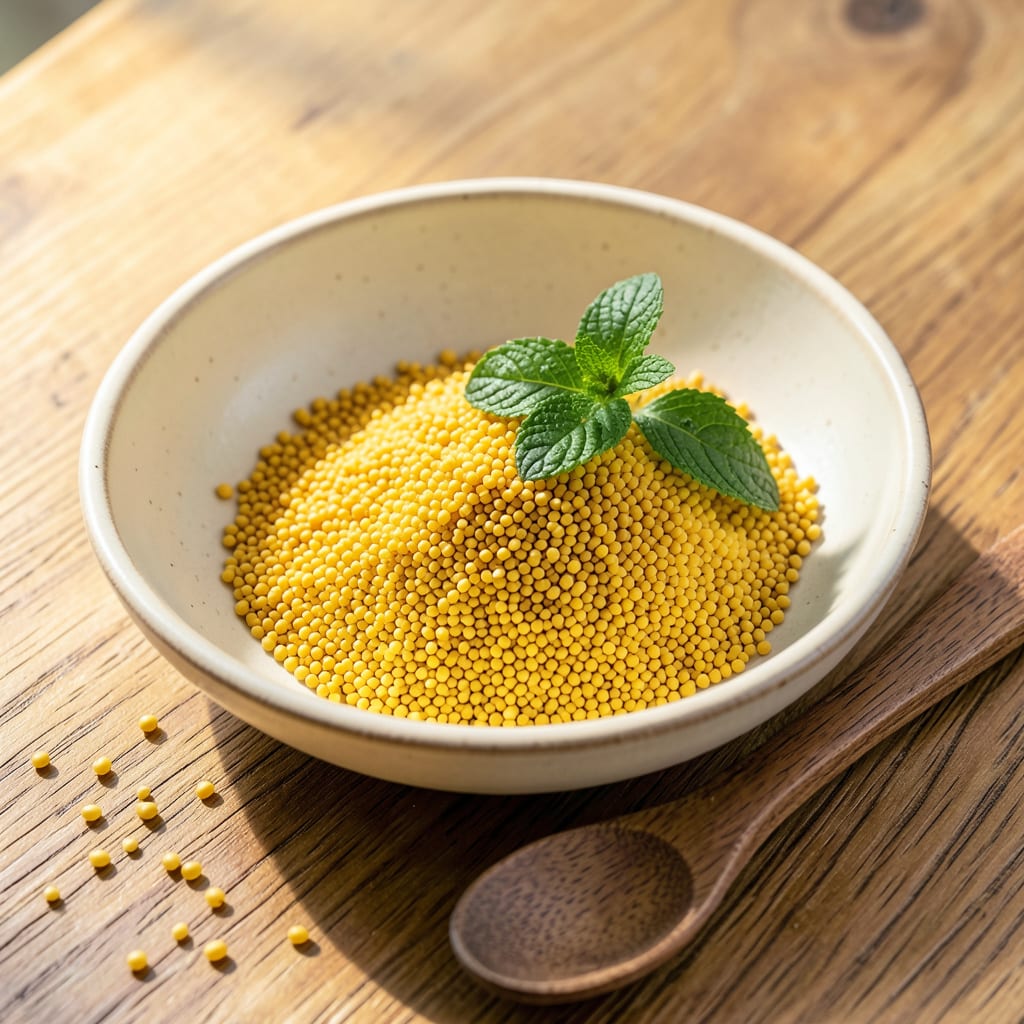
Tiny seeds, big flavor. I was skeptical at first—how could something so small produce such sweet berries? But Yellow Wonder alpine strawberries proved me wrong.
These plants thrive in containers or garden edges, producing delicate yellow fruits all season. The best part? They’re low-maintenance and perfect for small spaces. You’ll be surprised by how much they yield.
📚 In This Guide
Here’s the method I trust to coax sweet, golden berries from delicate alpine plants year after year.
Alpine strawberry seeds require a 4-week cold stratification period to break dormancy. I place seeds on a damp paper towel inside a sealed plastic bag and refrigerate at 35-40°F. This mimics winter conditions, signaling the embryos that it’s time to grow.
Check weekly for moisture—sprout the towel if it dries out, but avoid sogginess. After 28-30 days, you’ll see tiny white roots emerging. That’s your cue to move them to soil immediately. Don’t skip stratification; germination rates drop below 10% without it.
Fill shallow trays with a fine, sterile seed-starting mix—I avoid garden soil because it compacts and harbors pathogens. Scatter seeds on the surface, pressing them lightly into the mix. Alpine strawberry seeds need light to germinate, so do not cover them.
Mist the tray until evenly moist, then cover with a humidity dome or plastic wrap. Place under bright, indirect light at 65-70°F. Germination typically occurs in 14-21 days. Watch for the first true leaves, which appear as tiny, rounded cotyledons.
Once sprouted, remove the dome and move seedlings under 12-14 hours of light daily. A full-spectrum LED grow light positioned 2-3 inches above the plants works best. Without sufficient light, seedlings become leggy and weak, struggling to support fruit later.
Introduce gentle airflow with a small fan on low for 1-2 hours daily. This strengthens stems and prevents damping-off disease. You’ll notice thicker, sturdier growth within a week. Keep the soil consistently moist but never waterlogged—soggy roots rot quickly in these delicate plants.
When seedlings develop 3-4 true leaves, usually after 6-8 weeks, transplant them into 2-3 inch pots filled with well-draining potting mix. Handle them by the leaves, not the stems, to avoid crushing the fragile tissue.
Bury the seedlings slightly deeper than they were in the tray to encourage root stability. Water thoroughly after transplanting and place in a bright location. I like to use a diluted, balanced liquid fertilizer at half strength every 2 weeks to support steady growth.
Two weeks before the last frost, begin hardening off seedlings by placing them outside in a shaded, sheltered spot for 1-2 hours daily. Gradually increase exposure to sun and wind over 10-14 days. This toughens the plants and prepares them for outdoor conditions.
Transplant to a permanent location with well-draining soil and partial to full sun. Space plants 8-12 inches apart to allow for runners. Alpine strawberries thrive in containers, raised beds, or garden borders. Mulch lightly to retain moisture and suppress weeds.
Here’s what I’ve learned from years of growing these delicate golden berries successfully.
Stratification Success: That 4-week cold stratification at 35-40°F is non-negotiable for breaking dormancy. I check my damp paper towel setup weekly—if it dries out, germination rates plummet below 10%. After exactly 28-30 days, those tiny white roots signal it’s time to move to soil without delay.
Light Requirements: Once sprouted, seedlings need 12-14 hours of light daily from a full-spectrum LED positioned 2-3 inches above them. Without this, they’ll stretch into weak, leggy plants that struggle to produce fruit. I’ve seen the difference firsthand—proper lighting creates thick, sturdy stems within a week.
Transplant Timing: Wait until seedlings have 3-4 true leaves, which typically happens after 6-8 weeks. When transplanting into 2-3 inch pots, always handle by the leaves, not stems, to prevent crushing the fragile tissue. Burying them slightly deeper than in the tray encourages root stability.
Hardening Off: Two weeks before the last frost, start with 1-2 hours daily in a shaded spot, gradually increasing to 10-14 days of outdoor exposure. This process toughens the plants for permanent locations with well-draining soil and partial to full sun, spaced 8-12 inches apart.
Germination typically takes 2-4 weeks under ideal conditions (70°F, moist soil). Keep the soil consistently damp but not soggy, and ensure plenty of light. Patience is key—some seeds may take longer!
Yes! These compact plants thrive in containers. Use a sunny windowsill or grow lights (12-14 hours/day). Ensure good airflow and water when the top inch of soil feels dry. They’re perfect for small spaces!
Start indoors 6-8 weeks before the last frost, or sow directly outdoors after frost danger passes. Alpine strawberries tolerate cooler temps, so early spring or late summer plantings work well in most climates.
Common causes: insufficient sunlight (aim for 6+ hours/day), over-fertilizing (use a light, balanced feed), or poor pollination. Hand-pollinate flowers with a small brush if bees are scarce. Fruit may take a season to appear.
Yes! You can buy established Yellow Wonder Alpine strawberry plants or propagate from runners. This skips the germination wait and speeds up fruiting. Check local nurseries or reputable online sellers.
