
Beautiful Plants For Your Interior
Beautiful Plants For Your Interior
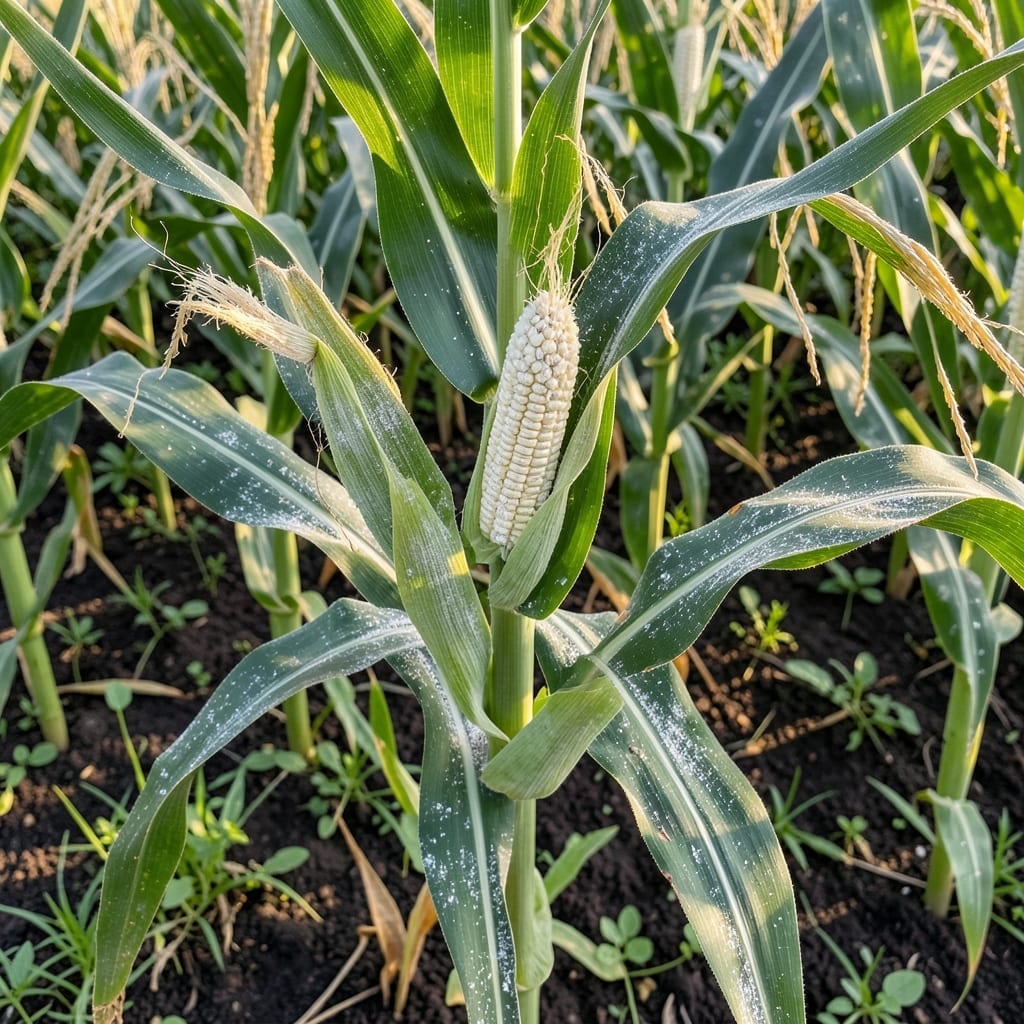
The white stuff on corn is usually silk, natural plant fibers that protect developing kernels. If moldy or fuzzy, it may be fungal growth requiring removal before consumption.
This silky material is actually part of the corn plant‘s reproductive system, forming a protective barrier around the ear. 💛 What many don’t realize is that its texture and color can vary—fresh silk is soft and pale, while problematic growth often appears discolored or slimy. I always recommend checking the base of the ear too, as that’s where mold tends to start if the husk was damaged.
💡 In This Article
Corn silk begins as fine, thread-like strands emerging from the ear’s tip. These fibers are the plant’s stigma, which catch pollen for kernel fertilization. Fresh silk appears pale yellow to white, silky-smooth, and odorless. Each strand typically measures 4-8 inches long on mature ears.
The texture changes as the ear develops. Immature silk feels moist and slightly sticky, while dried silk becomes coarse and papery. This natural material contains small amounts of sugars and proteins, which explains its slightly sweet aroma when fresh. The strands often cling together in a loose bundle at the ear’s crown. ✨
Fungal growth presents differently. White mold appears as fuzzy, cotton-like patches that spread across kernels. It often emits a musty odor and may show black or green spots as it matures. Unlike silk, mold grows in irregular patterns and adheres tightly to the corn’s surface, making it difficult to remove with simple pulling.
Another possibility is sap or plant exudate. This clear-to-white liquid forms when the husk is damaged, creating a sticky residue that hardens into a glossy film. Sap often collects at the base of the ear where the husk attaches, unlike silk which grows from the top.
The sap’s sugar content attracts insects, which can lead to secondary contamination. 🔥
To distinguish between these, examine the texture and location. Silk pulls away in long strands, mold resists removal, and sap feels sticky. Color changes also help: silk stays white, mold darkens over time, and sap may turn amber as it dries.
When in doubt, remember that fresh silk is the only white growth that’s naturally part of the corn’s development.
Silk is perfectly safe and edible, though most remove it. Moldy or fuzzy white growth should never be eaten. If in doubt, discard the ear to avoid potential foodborne illness.
This is likely sap from damaged husks. The sticky substance hardens over time and attracts insects. Simply wipe it away with a damp cloth before cooking.
No, washing mold can spread spores to other areas. Cut away affected portions with 1 inch of clearance, or discard the ear if heavily contaminated.
Use a clean vegetable brush under running water. The bristles reach between kernels better than fingers. For dried silk, soak the ear for 2-3 minutes first.
Store unshucked corn in the fridge with husks intact. Consume within 2-3 days for best quality. Proper storage dramatically reduces mold risk.