
Beautiful Plants For Your Interior
Beautiful Plants For Your Interior
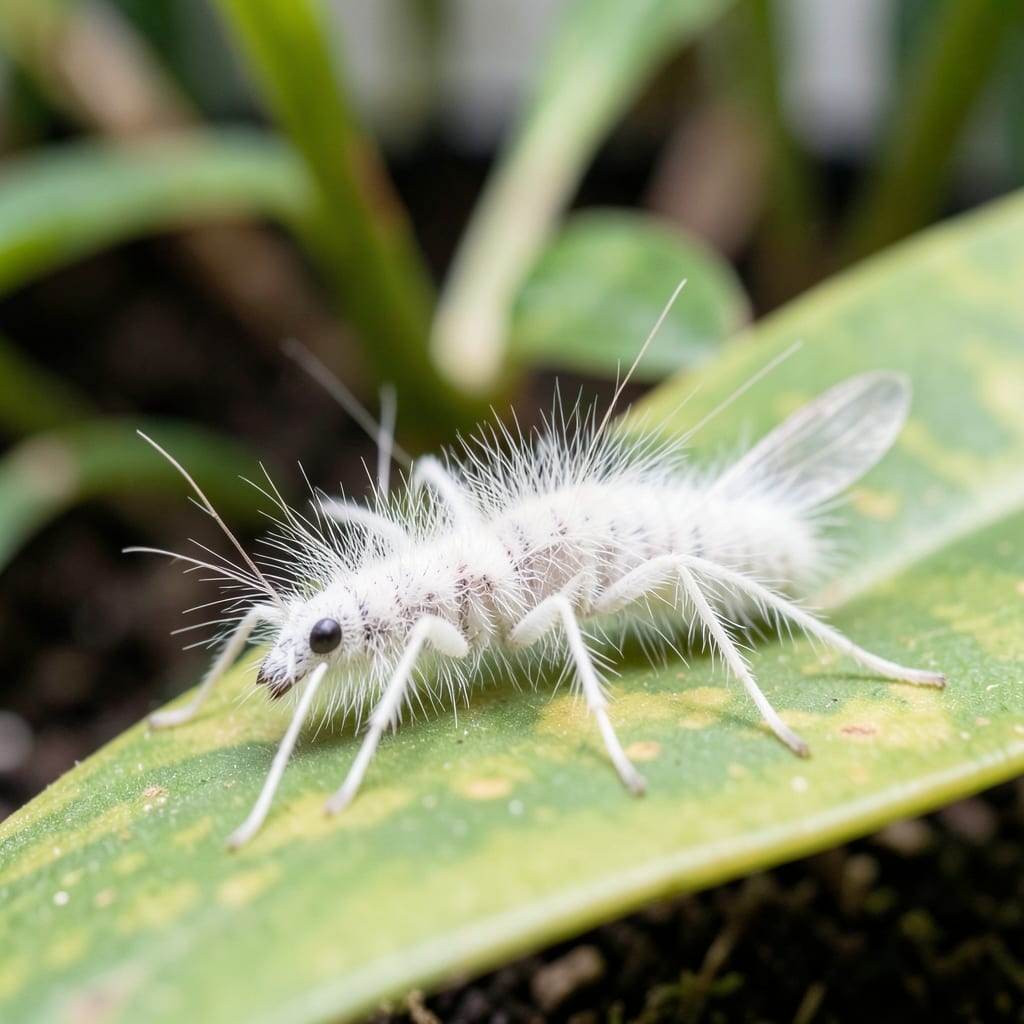
Tiny white fuzzballs hovering over your soil aren’t fairy lights. I first spotted them on my calathea last winter and ignored them—big mistake. Within two weeks, they’d multiplied and my plant’s growth stalled.
These pests love damp conditions, so overwatering is usually the culprit. They’re more annoying than harmful at first, but left unchecked, they’ll damage roots and spread to other plants. The good news? They’re easy to spot and even easier to fix.
Natural removal starts with letting the soil dry out between waterings. A layer of sand or cinnamon on top helps too. For stubborn cases, yellow sticky traps catch adults fast.
Once you tackle the issue, your plants bounce back quickly. No chemicals needed, just consistency and a few simple tweaks to your routine.
Fuzzy white gnats, often mistaken for tiny moths or flies, thrive in specific conditions. Understanding their causes helps prevent and control outbreaks. Below are the primary triggers:
Excess moisture in potted plants or gardens creates the perfect breeding ground. These gnats lay eggs in damp soil, where larvae feed on organic matter and root systems. Actionable tip: Allow the top inch of soil to dry between waterings to disrupt their lifecycle.
Fuzzy white gnats are attracted to decomposing plant material, compost piles, or rotting leaves. The odor signals a food source for larvae. Actionable tip: Remove fallen leaves or uneaten plant debris promptly to eliminate breeding sites.
Stagnant air traps humidity, accelerating gnat reproduction. Greenhouses, terrariums, or poorly ventilated indoor gardens are high-risk zones. Actionable tip: Use fans or open windows to improve airflow and reduce moisture buildup.
Excess nitrogen in fertilizers boosts fungal growth, which gnat larvae consume. Over-fertilizing also weakens plants, making them more susceptible to infestations. Actionable tip: Follow recommended fertilization schedules and avoid overuse.
Tackling fuzzy white gnats starts with identifying the source and applying targeted fixes. Here’s how to address common causes and prevent future infestations:
Gnats thrive in damp soil. Allow the top 1-2 inches of soil to dry completely between waterings. For severe cases, repot the plant with fresh, dry soil and discard the infested mix. Prevention tip: Use pots with drainage holes and a well-draining soil mix. 💡
Decaying leaves, fruit, or compost attract gnats. Remove fallen plant matter, take out trash regularly, and store compost in sealed bins. Prevention tip: Keep kitchen counters and sinks crumb-free to deter breeding. ✨
Empty saucers under pots, fix leaky pipes, and avoid overwatering. For houseplants, water only when the soil feels dry. Prevention tip: Use a fan to improve airflow in humid areas like bathrooms. 🌡️
Set up DIY traps with apple cider vinegar and dish soap in a shallow dish. The gnats are drawn to the vinegar and drown in the soapy solution. Replace every 2-3 days. Prevention tip: Introduce beneficial nematodes to soil for long-term control. 🎯
No, they’re different pests. Fuzzy white gnats are usually fungus gnats that thrive in damp soil, while fruit flies are drawn to ripening produce. Both are small but require different solutions.
Look for tiny white insects hovering near soil or crawling on leaves. Yellowing leaves or stunted growth may also signal an infestation. Check the topsoil for larvae.
They don’t bite or spread disease, but they’re a nuisance. Pets may try to eat them, which is harmless but best avoided. Focus on eliminating breeding sites.
With consistent treatment like drying soil and using traps, you’ll see a noticeable reduction in 1-2 weeks. Full elimination may take 3-4 weeks for stubborn cases.