
Beautiful Plants For Your Interior
Beautiful Plants For Your Interior
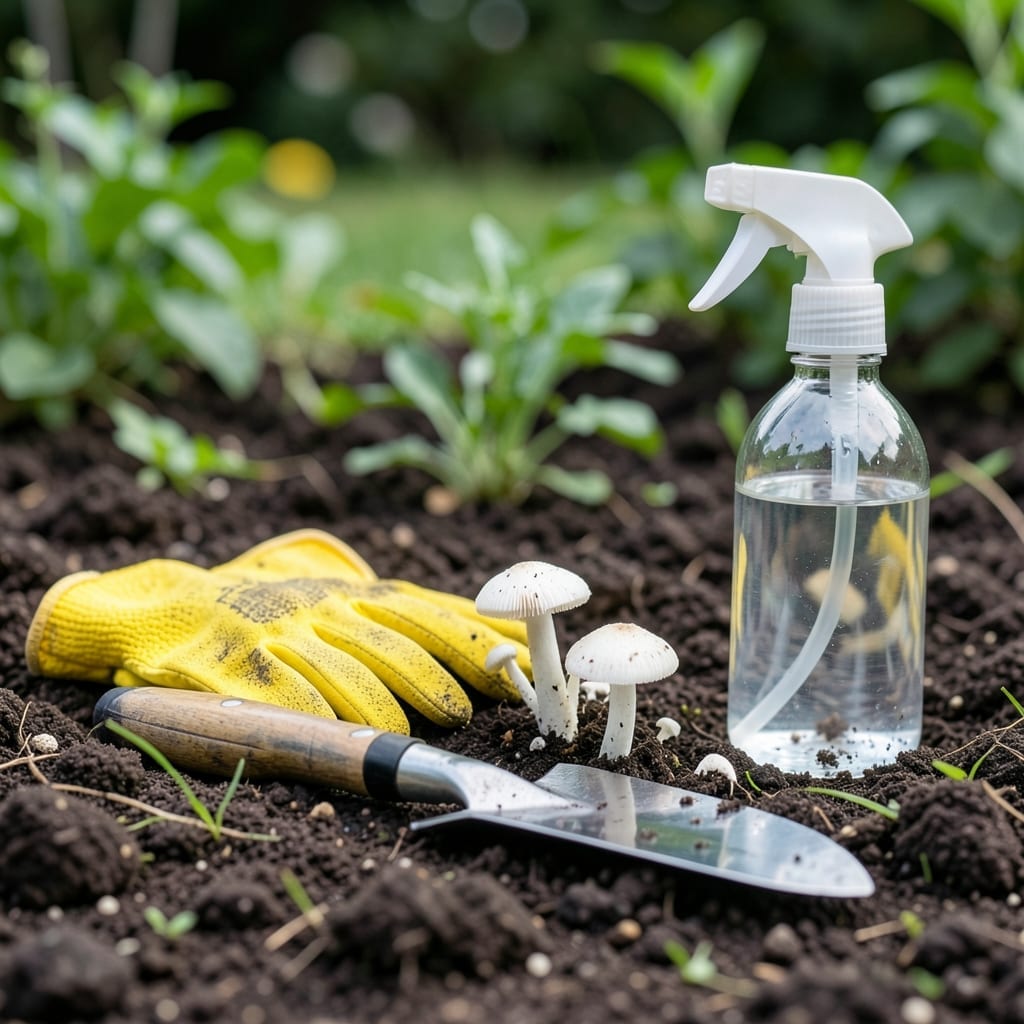
That strange white coating on your soil or plants isn’t just unsightly—it’s your garden’s way of sending an SOS. I’ve seen this in my own containers after heavy watering or humid spells.
Sometimes it’s harmless mineral deposits from hard water, but other times it signals fungal growth or pest activity. The good news? Most cases are fixable with simple adjustments to watering, airflow, or soil health.
You’ll learn to tell the difference between mold, minerals, and pests—and exactly how to address each. No guesswork, just clear solutions.
Prevention is easier than cure, and I’ll share the 3 habits that keep my garden spots white-free year after year.
The appearance of white stuff in your garden can stem from several biological and environmental factors. Below are the most common causes, explained with scientific clarity to help you diagnose the issue.
Fungi like Sclerotinia or powdery mildew thrive in damp, shaded conditions. These organisms produce white, powdery or cottony growths on soil or plant surfaces. Overwatering, poor drainage, or high humidity often trigger fungal blooms. Spores spread via wind or water, quickly colonizing organic matter.
Bacteria such as Actinomycetes can form white, thread-like filaments on soil. These microbes decompose organic material, releasing nutrients but sometimes creating visible colonies. They’re harmless but indicate high organic content or recent amendments like compost.
Insects like mealybugs, aphids, or whiteflies leave behind white, cottony residue (e.g., egg sacs or waxy secretions). Mealybugs, in particular, produce a white, flour-like coating on leaves and stems. Check undersides of leaves or plant joints for clusters.
Hard water or evaporating irrigation can leave white, chalky mineral deposits (e.g., calcium, magnesium) on soil or pots. This is common in areas with high alkalinity. While unsightly, it’s harmless but may signal poor water quality.
Beneficial fungi like mycorrhizae form white, root-like networks in soil. These symbiotic organisms boost nutrient uptake but can be mistaken for harmful growth. They’re a sign of healthy soil but may appear alarming if abundant.
Tackling that mysterious white stuff in your garden starts with identifying the cause. Below are targeted solutions for each common culprit, along with prevention tips to keep your garden thriving.
Mix 1 tablespoon baking soda + 1 teaspoon dish soap + 1 gallon water and spray affected plants weekly. Prevention: Improve airflow by spacing plants and watering at the base in the morning. 💡 Pro tip: Neem oil (diluted) works as a preventive spray every 2-3 weeks.
Dip a cotton swab in rubbing alcohol (70%) and dab pests directly. For larger infestations, spray with insecticidal soap. Prevention: Inspect new plants before introducing them. Encourage ladybugs (natural predators) with pollinator-friendly flowers. ✨
Leach excess salts by slowly running water through the soil for 10-15 minutes. For container gardens, repot with fresh, well-draining mix. Prevention: Use distilled or rainwater for sensitive plants, and avoid over-fertilizing. 🎯
Pull up mushrooms by hand (wear gloves!) and dispose of them in the trash. Reduce moisture by improving drainage or adjusting watering habits. Prevention: Avoid overwatering and use mulch to regulate soil moisture. 🌡️
Wipe leaves with a 1:1 water-vinegar solution to dissolve mineral buildup. For stubborn stains, gently scrub with a soft brush. Prevention: Use a water softener or collect rainwater for irrigation. 🔥
Regularly monitor your garden and act at the first sign of white residue. Early intervention makes all the difference!
Most garden whites like mineral deposits are harmless, but fungal growths or pests may irritate skin. Always wear gloves when handling unknown substances. If it’s powdery mildew, avoid inhaling spores.
Ensure good airflow by spacing plants and using well-draining soil. Water in the morning so surfaces dry by evening. A 1-inch mulch layer also helps regulate moisture.
A 1:1 vinegar-water solution works instantly on mineral deposits. Spray, wait 5 minutes, then gently scrub and rinse. For pots, soak in the solution for 30 minutes.
Yes! Overwatering often leads to fungal growth like powdery mildew. Check soil moisture 2 inches down—if it’s damp, hold off on watering. Improve drainage to prevent recurrence.