
Beautiful Plants For Your Interior
Beautiful Plants For Your Interior
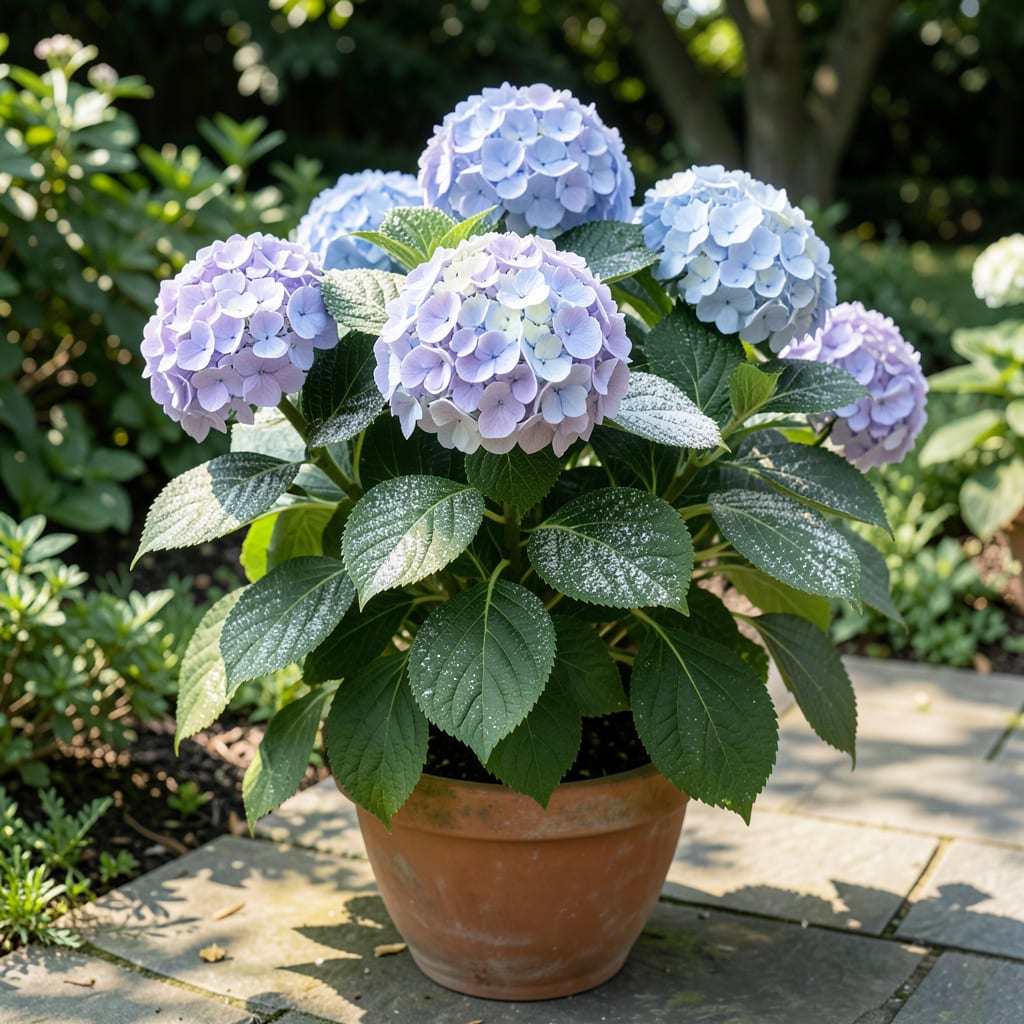
White spots on hydrangea leaves always mean trouble. I first noticed it on my Annabelle hydrangeas last summer—looked like someone dusted the leaves with flour.
Turns out, it’s usually powdery mildew, a fungus that thrives in humid conditions with poor air flow. Sometimes it’s mealybugs or hard water deposits, but the white coating gives it away every time.
Here’s the thing—this isn’t a death sentence. With the right approach, your plants can bounce back faster than you’d expect. I cleared mine up in about 2 weeks using simple, natural fixes.
Prevention is even easier once you know the tricks. Your hydrangeas can stay healthy and mildew-free all season long.
The white stuff on hydrangea leaves is usually a sign of an underlying issue, often tied to environmental conditions or fungal infections. Here’s a breakdown of the most common causes:
The most frequent culprit is Erysiphe polygoni or Podosphaera spp., fungi that thrive in warm, dry days followed by cool, humid nights. These pathogens spread spores that germinate on leaf surfaces, forming a white, powdery coating. Poor air circulation and crowded plantings exacerbate the problem, as they create a microclimate ideal for fungal growth.
Watering hydrangeas from above leaves moisture on the foliage, which can promote fungal spores to take hold. Unlike ground-level irrigation, overhead watering doesn’t allow leaves to dry quickly, especially in shaded or densely planted areas. This prolonged dampness is a prime invitation for powdery mildew to develop.
Hydrangeas planted in shaded, stagnant areas with little airflow are highly susceptible. High humidity (above 60%) combined with temperatures between 60–80°F (15–27°C) creates the perfect storm for fungal spores to thrive. Even well-watered plants in such conditions can fall victim if preventive measures aren’t taken.
Over-fertilizing with nitrogen can lead to lush, soft growth that’s more vulnerable to fungal infections. Conversely, a deficiency in key nutrients like potassium or phosphorus may weaken the plant’s natural defenses, making it easier for powdery mildew to establish itself.
If you’ve spotted white stuff on your hydrangea leaves, don’t panic—there are simple fixes for each likely cause. Here’s how to tackle the most common issues and keep your plants thriving.
Mix 1 tablespoon of baking soda + 1 teaspoon of dish soap + 1 gallon of water and spray it on the affected leaves. Reapply every 7–10 days until the mildew disappears. Prevention tip: 💡 Space plants for better airflow and water at the base to keep leaves dry.
Wipe leaves with a cotton swab dipped in rubbing alcohol to remove pests on contact. For larger infestations, use neem oil spray weekly. Prevention tip: ✨ Inspect new plants before bringing them near your hydrangeas and encourage beneficial insects like ladybugs.
Reduce watering frequency and ensure your hydrangeas have well-draining soil. Move potted plants to a spot with better airflow. Prevention tip: 🎯 Water in the morning so excess moisture evaporates during the day.
Gently wipe leaves with a damp cloth to remove residue. If tap water is hard, switch to rainwater or distilled water for irrigation. Prevention tip: 🌡️ Flush the soil with water every few months to prevent buildup.
With these targeted fixes, your hydrangeas will be back to their lush, vibrant selves in no time!
Yes, if left untreated, it can weaken the plant and spread to other foliage. Powdery mildew blocks sunlight, reducing photosynthesis. Early action prevents long-term damage and keeps your plant healthy.
Avoid vinegar—it can burn hydrangea leaves and harm the plant. Stick to gentler solutions like baking soda spray or neem oil for safe, effective results.
Check leaves weekly during warm, humid weather. Early detection makes treatment easier. Look under leaves too, as pests or mildew often start there.
Powdery mildew spores can travel through air or water to other plants. Isolate affected hydrangeas and treat promptly to protect your garden.
