
Beautiful Plants For Your Interior
Beautiful Plants For Your Interior
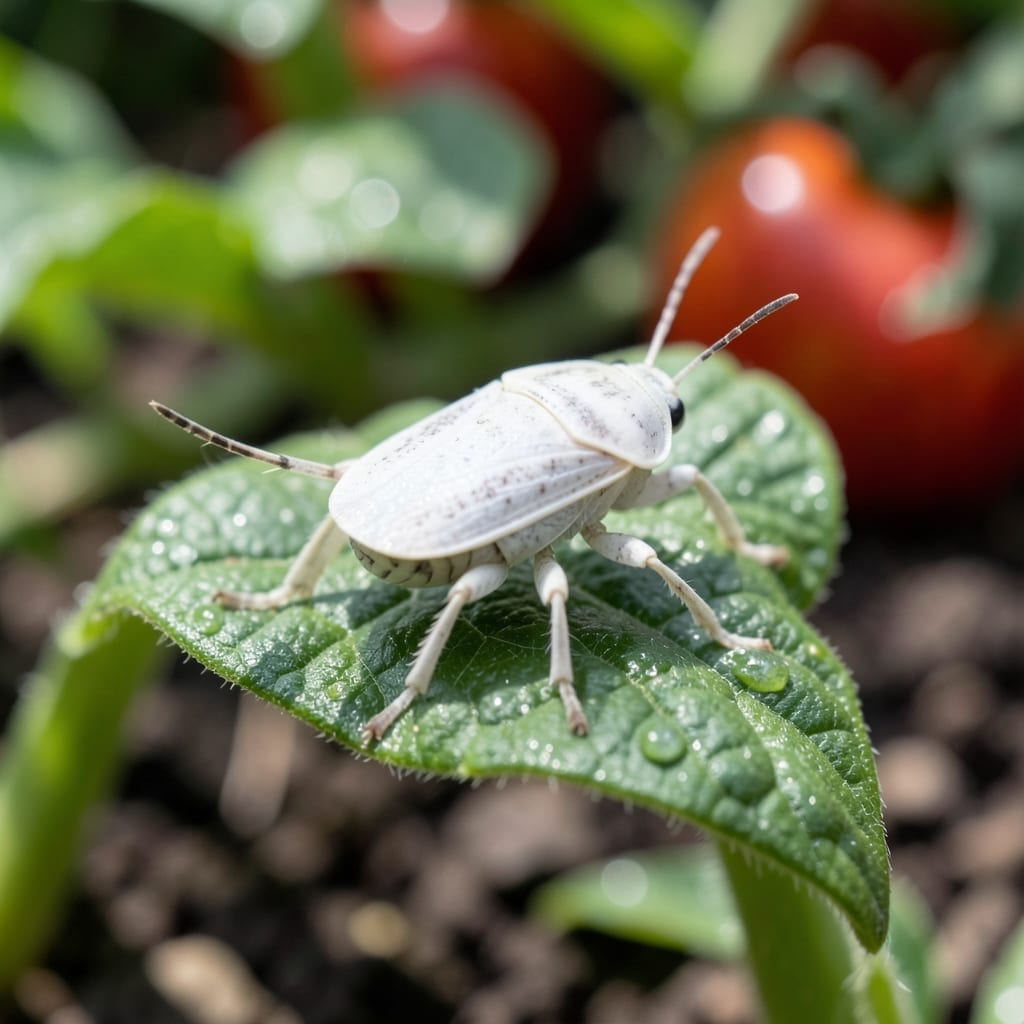
Spotted white bugs on your tomato leaves? That’s likely the white stink bug, a sneaky pest that sucks sap from plants and spreads disease. I first noticed them on my peppers last summer—their damage looks like tiny yellow speckles at first.
These pests multiply fast and hide under leaves, making early detection tricky. They target fruits, vegetables, and ornamentals, leaving behind distorted growth and reduced yields. Organic control is possible without harsh chemicals.
Hand-picking them off works for small infestations, but larger ones need targeted sprays. Beneficial insects like parasitic wasps help keep their numbers in check naturally.
Act quickly—the sooner you catch them, the easier they are to manage. Your garden will thank you for the vigilance.
The sudden appearance of white stink bugs (often Bagrada hilaris or other pale morphs) is rarely random. These pests thrive under specific environmental and agricultural conditions. Below are the primary triggers, explained with actionable insights.
White stink bugs often surge in hot, dry climates. High temperatures (above 85°F) accelerate their reproductive cycles, while drought-stressed plants emit volatile compounds that attract them. Action: Maintain soil moisture and use shade cloths during peak heat.
Excess nitrogen creates lush, soft plant tissue—an ideal food source for stink bugs. These pests target succulent crops like brassicas and legumes. Action: Balance fertilizers with potassium and phosphorus to toughen plant cells.
White stink bugs proliferate when their natural enemies (e.g., parasitic wasps, birds) are absent. Monoculture farming and pesticide overuse disrupt these predators. Action: Introduce beneficial insects or plant companion flowers (e.g., marigolds) to restore balance.
Stink bugs overwinter in plant debris and weedy areas, emerging in spring to infest new growth. Action: Clear fields post-harvest and rotate crops to break their lifecycle.
Dealing with white stink bugs can be frustrating, but these practical solutions will help you regain control. Here’s how to tackle the issue based on common causes:
Stink bugs thrive in dense plant growth. Fix: Trim overgrown bushes, weeds, and tall grass near your garden or home. Regularly mow the lawn and remove leaf litter to eliminate hiding spots. Prevention: Keep your yard tidy and prune plants seasonally to discourage infestations.
These pests sneak indoors through cracks and gaps. Fix: Seal entry points with caulk or weatherstripping, focusing on windows, doors, and utility openings. Install fine mesh screens on vents and chimneys. Prevention: Inspect your home’s exterior annually and repair damages promptly.
White stink bugs target crops like tomatoes and beans. Fix: Handpick bugs early in the morning when they’re sluggish and drop them into soapy water. Use row covers to protect plants. Prevention: Rotate crops yearly and plant trap crops like sunflowers to divert pests.
Fewer predators mean more stink bugs. Fix: Attract beneficial insects like ladybugs and parasitic wasps by planting nectar-rich flowers (e.g., marigolds, dill). Avoid broad-spectrum pesticides that harm helpful species. Prevention: Maintain a biodiverse garden to support a balanced ecosystem.
Decaying organic matter draws stink bugs. Fix: Clean up fallen fruits, nuts, and plant debris promptly. Store firewood away from your home and elevate it off the ground. Prevention: Keep compost bins sealed and distant from living spaces.
Pro Tip 🎯: For severe infestations, use a neem oil spray (mix 2 tbsp neem oil + 1 tsp dish soap + 1 quart water) and apply it to affected plants at dusk. Reapply weekly until the problem subsides.
No, white stink bugs don’t bite or sting humans. They release a foul odor when threatened, but it’s harmless.
They love brassicas like broccoli and mustard, plus tomatoes, beans, and peppers. Check leaf undersides for eggs.
Yes! Drop handpicked bugs into soapy water. For larger groups, spray plants with 1 tsp dish soap + 1 quart water.
Hot, dry weather and over-fertilized plants attract them. They also emerge from winter hiding spots in spring.