
Beautiful Plants For Your Interior
Beautiful Plants For Your Interior
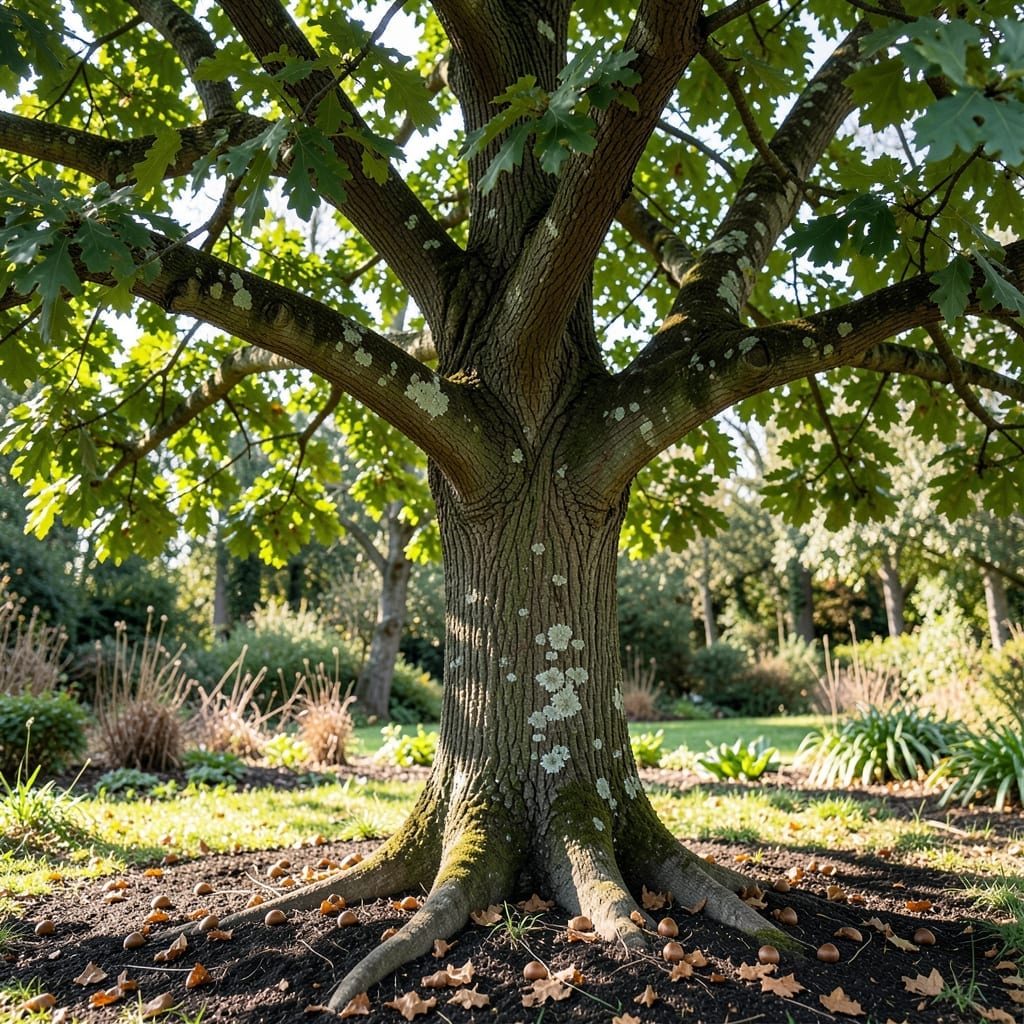
Those white spots on your tree bark aren’t just unsightly—they’re trying to tell you something. I’ve seen this issue pop up in my own yard, and the causes range from harmless to serious.
Sometimes it’s just lichen, which won’t hurt your tree but signals it’s aging. Other times, it’s a fungal infection or pest problem that needs quick action. The good news? Most causes are treatable with the right approach.
You’ll need to play detective first: check the texture, location, and whether the spots spread. This helps narrow down if it’s lichen, fungus, or something else entirely.
Once you know what you’re dealing with, solutions like pruning, fungicides, or even just patience can bring your tree back to health.
White spots on tree bark can stem from several natural and environmental factors. Understanding the root cause helps in addressing the issue effectively. Below are the most common reasons:
Fungi like Phyllosticta or Botryosphaeria often create white, powdery, or crusty patches on bark. These thrive in damp, poorly ventilated conditions. Overhead watering or high humidity accelerates fungal growth. Prune affected branches and improve airflow to combat this.
Insects such as scale, mealybugs, or whiteflies leave behind white, cottony residues or egg masses. These pests suck sap, weakening the tree. Inspect the bark closely—if you spot tiny bugs or sticky honeydew, treat with horticultural oil or insecticidal soap.
Sudden exposure to intense sunlight can bleach the bark, creating white, blistered patches. This often happens after pruning or transplanting. Young trees or thin-barked species (like birch or maple) are most vulnerable. Shield the trunk with burlap or tree wrap during extreme heat.
Hard water or excessive fertilizer use can leave chalky white mineral deposits on the bark. These are harmless but may indicate poor soil pH. Test your soil and flush it with water to remove excess salts if needed.
Less common but possible, diseases like bacterial canker or powdery mildew can manifest as white spots. These often require professional diagnosis. Remove infected branches and sanitize pruning tools to prevent spread.
White spots on tree bark can often be managed with the right approach. Below are practical solutions tailored to the most common causes, along with prevention tips to keep your trees healthy.
If the spots are caused by fungi like powdery mildew or lichen:
💡 Prevention tip: Water trees at the base in the morning to give foliage time to dry, reducing moisture that fungi love.
For white spots caused by pests like mealybugs, scale insects, or spider mites:
💡 Prevention tip: Regularly inspect your trees for early signs of pests, especially on the undersides of leaves and bark crevices.
If the spots stem from sun scald, chemical exposure, or temperature extremes:
💡 Prevention tip: Plant trees in locations suited to their sunlight and climate needs to minimize stress-related issues.
Not always! Lichen often appears as white patches and is harmless. It only indicates your tree is mature or the air is clean. Fungal spots may need attention though.
Fungus looks powdery or crusty, while pests leave cottony residue. Check for tiny bugs or sticky honeydew. Use a magnifying glass for small infestations.
For pests, scrub with soapy water then apply horticultural oil. For fungi, prune affected areas and use a copper-based fungicide. Always sterilize tools after use.
Yes! Improve airflow, water at the base, and avoid overhead watering. Inspect trees regularly for early signs of trouble.