
Beautiful Plants For Your Interior
Beautiful Plants For Your Interior
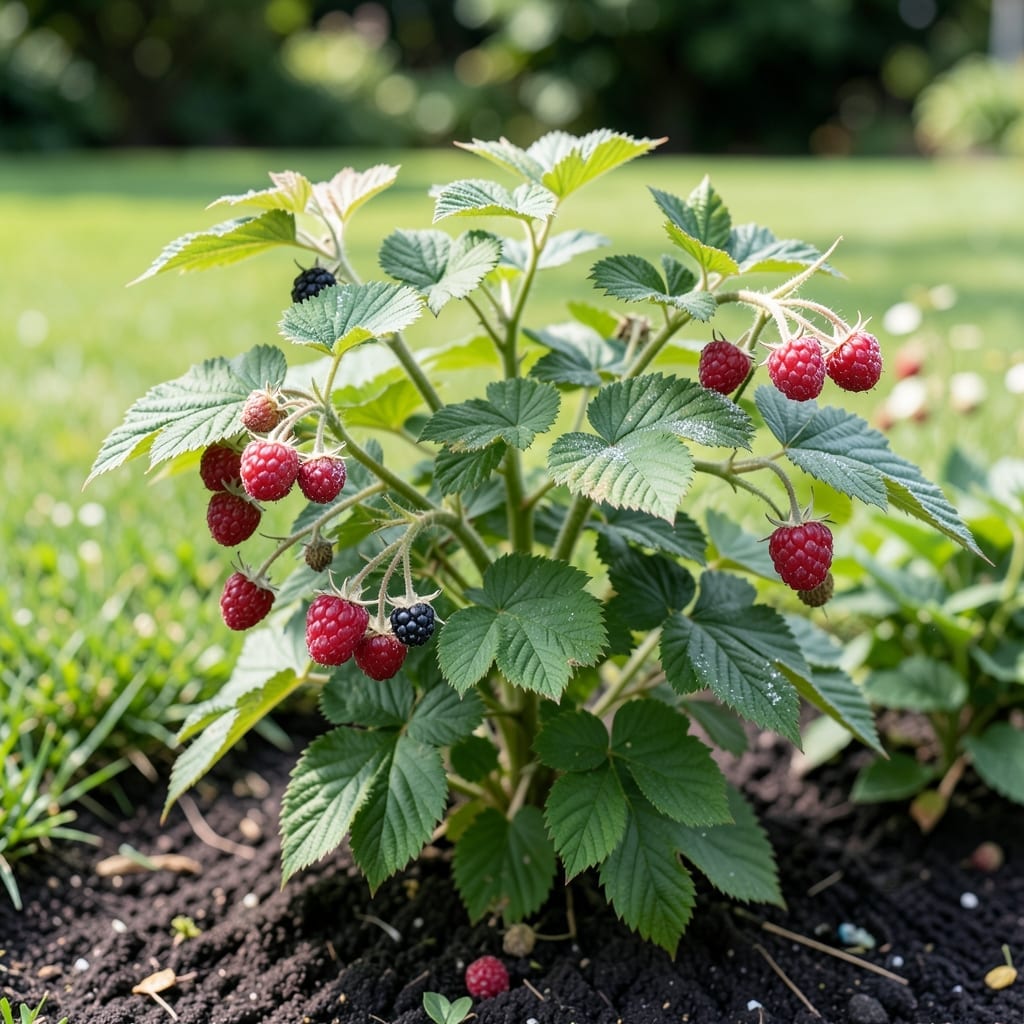
White spots on your raspberries aren’t just unsightly—they’re a red flag. I’ve dealt with this exact issue in my own bramble patch, and ignoring it leads to stunted growth and bitter fruit.
The usual culprits are powdery mildew or spider mites, both of which thrive in crowded, damp conditions. Left unchecked, they’ll spread to every cane and ruin your harvest.
Here’s the thing—prevention is easier than cure. Proper spacing, morning watering, and a simple spray of neem oil can stop this before it starts.
With the right approach, your plants will bounce back with healthy canes and sweet berries next season. No fancy equipment required.
White spots on raspberries often stem from environmental, fungal, or pest-related factors. Understanding the root cause is key to addressing the issue effectively.
Fungi like Botrytis cinerea (gray mold) or powdery mildew thrive in humid, poorly ventilated conditions. These pathogens produce white, powdery, or fuzzy spots on fruit and foliage. Overhead watering and dense planting worsen the problem by creating a damp environment ideal for fungal spores to germinate. Action: Improve air circulation, avoid wetting leaves, and apply fungicides like sulfur or copper sprays preventatively.
Insects such as raspberry cane borers, aphids, or spider mites can cause white stippling or spots by feeding on plant tissues. Aphids, for example, excrete honeydew, a sticky substance that promotes sooty mold growth, appearing as white or black patches. Action: Inspect canes regularly, remove infested plant parts, and use insecticidal soaps or neem oil for organic control.
Excessive moisture from rain, irrigation, or high humidity can lead to cosmetic blemishes like white drupelet disorder. This physiological issue occurs when raspberries absorb too much water, causing the individual segments (drupelets) to turn white or pale. Action: Ensure proper drainage, water at the base of plants, and harvest fruits promptly after rain to minimize damage.
Calcium or boron deficiencies may cause irregular white or yellowish spots on raspberries, often accompanied by stunted growth. These nutrients are vital for cell wall integrity and fruit development. Action: Conduct a soil test and amend with lime (for calcium) or borax (for boron) as needed, following recommended application rates.
White spots on your raspberries can be frustrating, but they’re often fixable with the right approach. Below are practical solutions tailored to the most common causes, along with prevention tips to keep your plants healthy long-term.
Fix: Spray affected plants with a baking soda solution (1 tbsp baking soda + 1 tsp dish soap + 1 gallon water) or neem oil (mix as directed). Apply weekly until spots disappear. Remove severely infected leaves or canes to prevent spread.
Prevent: Improve air circulation by pruning dense growth. Water at the base of the plant (not overhead) to keep foliage dry. Choose resistant raspberry varieties like ‘Caroline’ or ‘Nova’.
Fix: Blast pests off with a strong stream of water early in the day. For stubborn infestations, use insecticidal soap or introduce beneficial insects like ladybugs.
Prevent: Inspect plants regularly, especially the undersides of leaves. Encourage natural predators by planting companion flowers like marigolds or yarrow nearby.
Fix: If spots are from sunburn, provide temporary shade (e.g., shade cloth) during peak afternoon heat. For water-related spots, adjust your watering schedule—aim for consistent moisture (1–2 inches per week) without waterlogging.
Prevent: Mulch around plants with straw or wood chips to retain moisture and regulate soil temperature. Avoid overhead watering in extreme heat to prevent leaf scorch.
Fix: Test your soil (kits are available at garden centers). Amend with balanced fertilizer (10-10-10) or organic options like compost. For calcium deficiency, add crushed eggshells or lime to the soil.
Prevent: Feed raspberries annually in early spring. Rotate planting beds every 5–7 years to prevent soil depletion.
💡 Pro Tip: Always sterilize pruning tools with rubbing alcohol between cuts to avoid spreading disease!
If the spots are from powdery mildew, wash and eat only unblemished fruit. For severe fungal infections or pesticide-treated plants, discard affected berries. When in doubt, toss them out.
Space plants 3-4 feet apart for airflow. Water in the morning and avoid wetting leaves. Apply neem oil as a preventative spray every 2-3 weeks.
For fungal issues, remove affected leaves and spray with a baking soda solution (1 tbsp per gallon of water). For pests, use insecticidal soap immediately.