
Beautiful Plants For Your Interior
Beautiful Plants For Your Interior
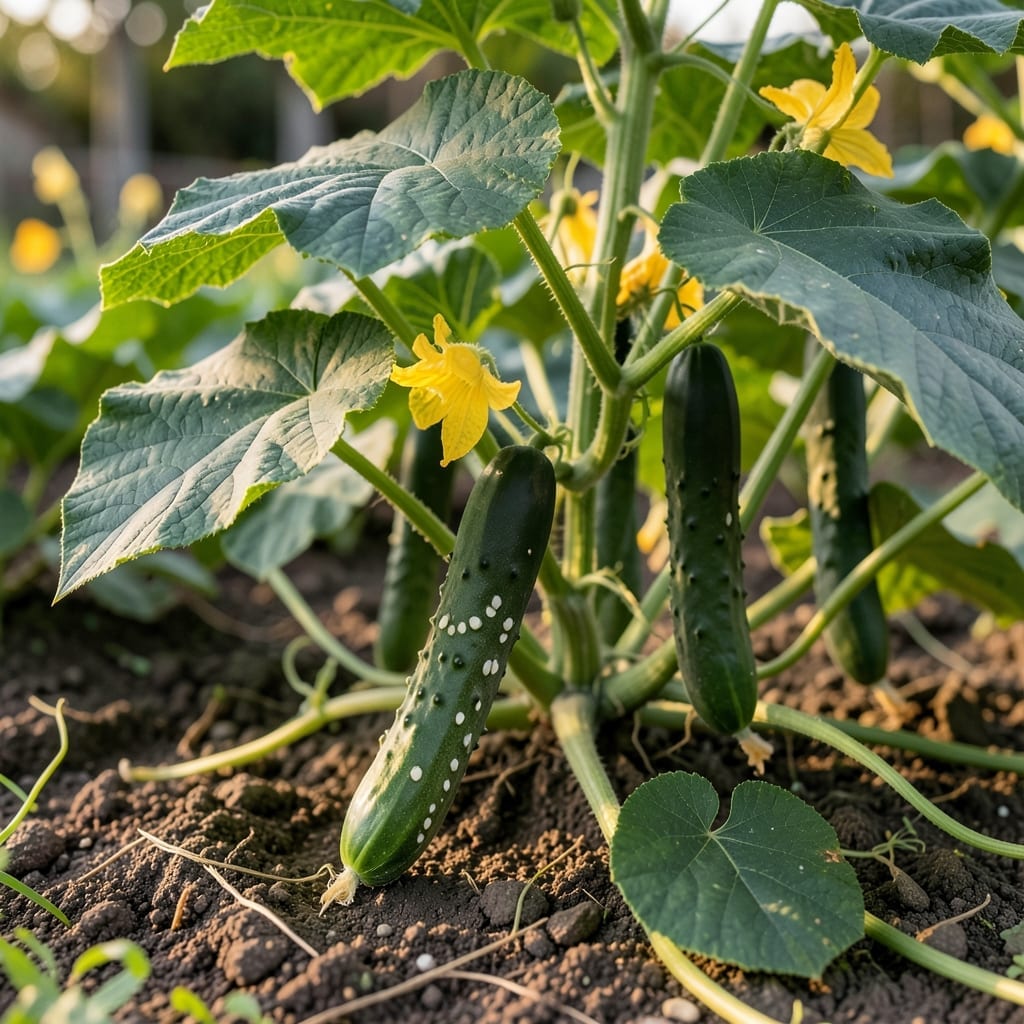
White spots on cucumbers had me panicking my first season. Turns out most are harmless—just environmental stress or natural variation on the skin.
I learned to check for soft spots or mold first. Powdery mildew leaves a white film but won’t hurt you if washed. Pest damage or rot means toss it. Most white speckles are safe and even normal for some varieties.
Prevent future spots with consistent watering and good air flow. A simple trellis keeps leaves dry and reduces mildew risk. Healthy plants resist problems better.
When in doubt, cut it open. If the flesh looks and smells fine, you’re good. Trust your senses—they’re usually right.
White spots on cucumbers can stem from several natural and environmental factors. Here’s a breakdown of the most common causes:
Edema occurs when cucumber plants absorb water faster than they can transpire it, leading to swollen plant cells that burst. This creates small, white, blister-like spots on the skin. It’s a physiological response to inconsistent watering (e.g., overwatering after a dry spell) or high humidity. The spots are harmless and don’t affect taste or safety.
This fungal disease thrives in warm, dry conditions with poor air circulation. Early stages appear as white, powdery patches on leaves and fruit. While unsightly, cucumbers with superficial mildew are safe to eat if washed thoroughly. Severe infections may require removal to prevent spread.
Pests like spider mites or whiteflies can leave behind tiny white specks or stippling as they feed. These spots are usually surface-level and pose no health risk. Rinse the cucumber under cold water to remove residues or debris.
Exposure to intense sunlight can cause white or yellowish patches on cucumbers, especially if they’re suddenly moved from shade to full sun. This is a cosmetic issue and doesn’t compromise edibility.
Pro tip: Store cucumbers in a cool, dry place to prevent further damage after harvest.
If you’ve spotted white blemishes on your cucumbers, don’t panic—most causes are fixable and safe. Here’s how to tackle each issue with simple, practical steps:
Mix 1 teaspoon of baking soda and 1 quart of water in a spray bottle. Add a few drops of dish soap to help it stick. Spray the leaves and stems (not just the fruit) early in the day to prevent sunburn. For prevention, space plants to improve airflow and water at the base to keep leaves dry.
💡 Pro tip: Neem oil (diluted per package instructions) is a natural fungicide—apply weekly at the first sign of trouble.This is a water-pressure issue, so adjust your watering schedule. Let the top inch of soil dry between waterings, and water deeply but less often. If growing in a greenhouse or humid area, improve ventilation with fans or by opening windows. Prevention is key: avoid overhead watering and use well-draining soil.
Wash cucumbers thoroughly under running water while gently rubbing the skin with your fingers or a soft brush. For stubborn residue, soak them in a vinegar-water mix (1:3 ratio) for 10–15 minutes, then rinse. To prevent this, opt for organic produce or grow your own using natural pest control like companion planting (e.g., marigolds).
These are harmless but sticky. Simply rinse cucumbers under cool water and pat dry. To avoid attracting pests, harvest cucumbers promptly when they’re ripe and store them away from other fruits (like tomatoes) that release ethylene gas.
If the white spots are from scratches or bruising, trim off the affected area with a clean knife. Eat the cucumber within a few days. For prevention, handle cucumbers gently during harvest and storage, and use padded containers if transporting.
Check for softness or mold. Firm cucumbers with surface-level spots are usually fine. Wash thoroughly before eating.
Peeling removes most surface issues like edema or mildew. It’s unnecessary for minor spots but adds safety if you’re unsure.
Improve airflow, water consistently, and avoid overhead watering. A trellis helps keep foliage dry and reduces mildew risk.
Sticky spots are likely sap or pest residue. Rinse under cool water and pat dry. This won’t affect edibility.