
Beautiful Plants For Your Interior
Beautiful Plants For Your Interior
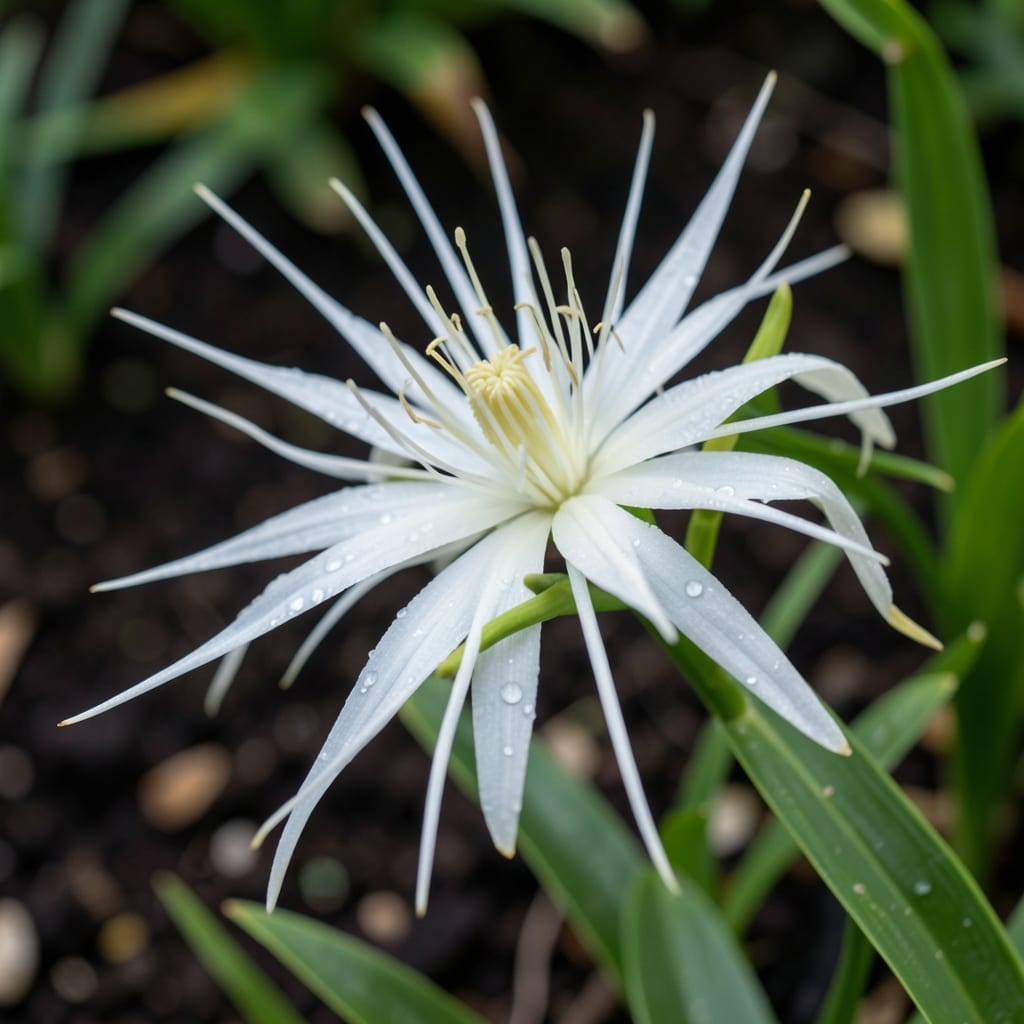
Three years ago, I planted my first white spider lily in a forgotten corner under an oak tree. Now that shady spot lights up with fragrant, otherworldly blooms every summer without fail.
These plants thrive where most flowers give up—deep shade, poor soil, even dry spells once established. The trick is matching their natural habitat: rich but well-draining earth and consistent moisture during their growing season.
You’ll get dramatic white flowers that look like spiders dancing on tall stems, followed by strap-like foliage that stays green year-round in warmer zones. They spread slowly but reliably, filling space with minimal effort on your part.
Perfect for borders, woodland gardens, or that tricky north-facing spot. Here’s how to give them exactly what they need to flourish.
The white spider lily (Hymenocallis spp.) may develop problems due to several environmental, biological, or cultural factors. Understanding these causes helps gardeners prevent and address issues effectively.
Spider lilies thrive in well-draining, slightly acidic to neutral soil (pH 6.0–7.0). Compacted or waterlogged soil restricts root growth, leading to yellowing leaves, stunted blooms, or rot. Heavy clay or sandy soils can also deprive roots of essential nutrients like nitrogen and phosphorus, causing weak or discolored foliage.
While these plants tolerate shade, too little light (e.g., deep shade under dense canopies) reduces photosynthesis. This results in sparse or no flowers, leggy stems, and pale leaves. Conversely, excessive direct sunlight in hot climates can scorch foliage, leading to brown tips or wilting.
Overwatering is a common culprit for root rot in spider lilies, especially in poorly draining soil. Soggy roots suffocate and become vulnerable to fungal pathogens like Phytophthora. Underwatering, on the other hand, causes dry, crispy leaves and premature flower drop during drought stress.
Pests such as aphids, spider mites, or narcissus bulb flies weaken the plant by feeding on sap or bulbs, leading to distorted growth or yellowing. Fungal diseases like botrytis blight (gray mold) thrive in humid, crowded conditions, causing spotted or rotting foliage. Bacterial soft rot may also occur in damaged bulbs stored in damp environments.
Spider lilies prefer moderate temperatures (60–80°F). Extreme heat can trigger heat stress, manifesting as wilting or scorched edges. Cold snaps below 30°F may damage bulbs, leading to blackened or mushy tissues. High humidity without airflow encourages fungal growth, while low humidity can dry out foliage.
When your white spider lilies show signs of trouble, quick and targeted action can restore their beauty. Below are practical fixes for common problems, paired with prevention tips to keep your plants thriving.
If leaves turn yellow, the roots may be sitting in water. Repot the plant in well-draining soil mixed with perlite or sand. Ensure the container has drainage holes. Prevention tip: 💡 Water only when the top inch of soil feels dry to avoid over-saturation.
Brown tips often signal low humidity or inconsistent watering. Mist the leaves regularly or use a humidity tray. Water deeply but less frequently to encourage strong roots. Prevention tip: 🌡️ Group plants together to naturally boost humidity.
Lack of flowers can stem from insufficient light or poor nutrition. Move the plant to a brighter spot with indirect light (e.g., east-facing window). Use a balanced liquid fertilizer (10-10-10) every 4–6 weeks during growing season. Prevention tip: ✨ Rotate the pot occasionally for even light exposure.
Spider mites or aphids? Wipe leaves with a damp cloth or spray with a mild soap-water solution (1 tsp dish soap per liter). For stubborn pests, introduce neem oil (follow package instructions). Prevention tip: 🎯 Inspect new plants before bringing them near your lilies to avoid contamination.
White mold or spots indicate fungal issues. Remove affected leaves and improve airflow by spacing plants apart. Apply a fungicide if needed. Prevention tip: 🌬️ Avoid overhead watering—direct water at the soil to keep foliage dry.
Water when the top 1-2 inches of soil feel dry. They prefer consistent moisture during growth but tolerate short dry spells once established. Reduce watering in winter dormancy.
Yes, they thrive in partial to full shade. Too much sun can scorch the leaves, while ideal spots receive dappled light under trees. They’ll bloom best with some morning sun.
Lack of blooms often means insufficient light or nutrients. Move to a brighter spot and apply a balanced fertilizer every 4-6 weeks in spring/summer. Patience helps—they may take a year to settle in.
Generally yes—deer usually avoid them. However, in areas with high deer pressure, young plants might still get nibbled. Use repellents or planting barriers if needed.