
Beautiful Plants For Your Interior
Beautiful Plants For Your Interior
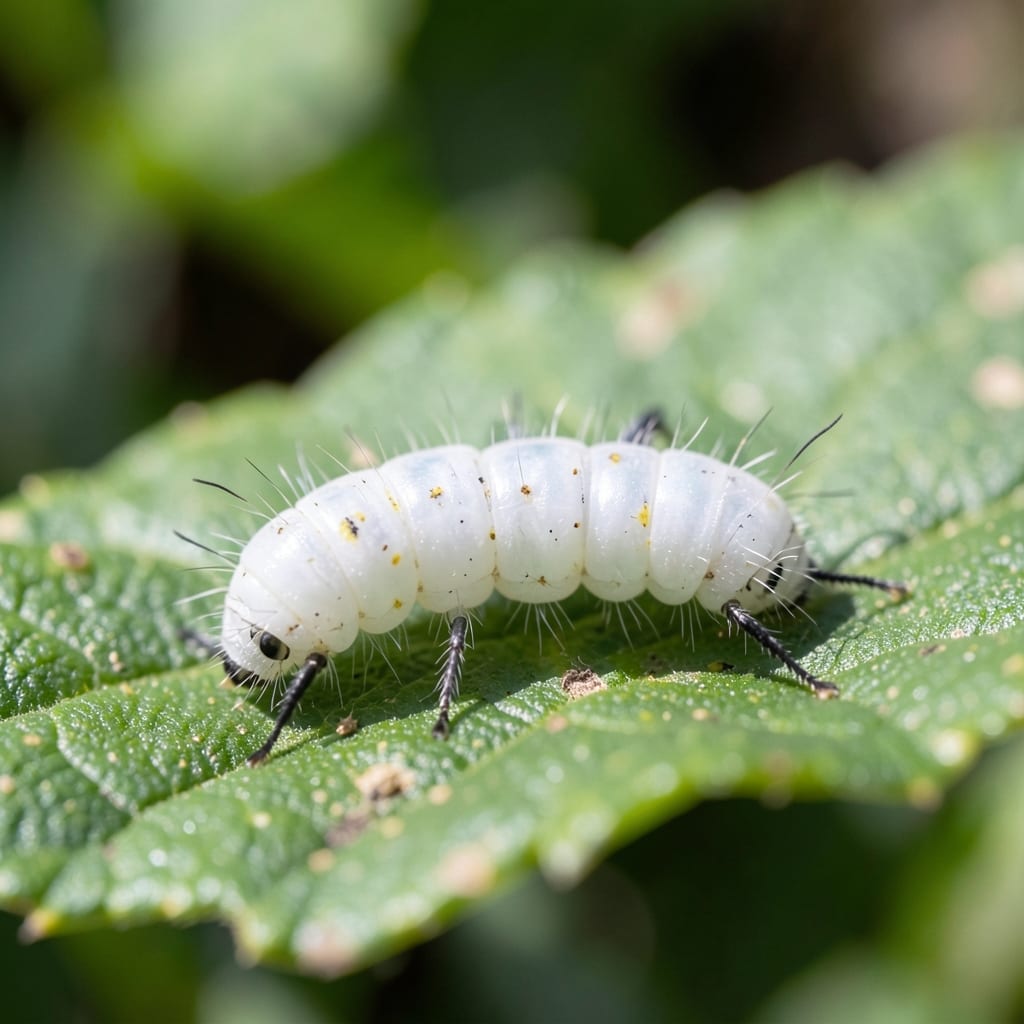
Spotted these pale, slug-like pests on your roses or berries? White sawfly larvae strip leaves overnight, leaving skeletonized foliage that weakens plants fast.
I first noticed them on my gooseberries—tiny white grubs blending into stems until the damage became obvious. They cluster on leaf undersides, eating between veins until only transparent membranes remain.
Catching them early means hand-picking or a strong water spray. Left unchecked, they’ll defoliate entire plants in days, stunting growth and reducing future harvests.
Natural solutions work best here. Beneficial insects, neem oil, and row covers prevent infestations without harming your garden’s ecosystem.
The presence of white sawfly larvae in your garden or landscape often stems from a combination of environmental and biological factors. These pests thrive under specific conditions, and understanding their triggers can help you prevent future outbreaks.
Sawfly larvae, including white varieties, are highly specialized feeders. They target plants like roses, willows, or conifers, which provide the ideal nutrition for their development. If your garden includes these species, it may naturally attract egg-laying adult sawflies. Regularly inspect susceptible plants for early signs of defoliation or skeletalized leaves.
Warm, humid weather accelerates sawfly reproduction. Temperatures between 60–80°F (15–27°C) create optimal conditions for larvae to hatch and feed aggressively. Regions with prolonged spring or early summer warmth often see higher infestation rates. Monitoring weather forecasts can help you anticipate and prepare for potential outbreaks.
In balanced ecosystems, predators like ground beetles, parasitic wasps, or birds keep sawfly populations in check. However, excessive pesticide use or habitat disruption can eliminate these natural controls, allowing larvae to multiply unchecked. Encouraging biodiversity with native plants and reducing chemical interventions can restore this balance.
Plants under stress—whether from drought, poor soil, or overcrowding—emit signals that attract pest insects. Sawflies are drawn to weakened vegetation, as it’s easier for larvae to consume. Improve plant health through proper spacing, irrigation, and soil enrichment to reduce vulnerability.
Dealing with an infestation of these pests starts with targeted action. Below are practical solutions mapped to common causes, along with prevention tips to keep your plants safe.
If you spot a few larvae on leaves, handpick them off and drop them into soapy water. This works best in the early stages. Wear gloves for protection, and check plants daily to catch new hatchlings.
Encourage parasitic wasps, ground beetles, and birds—natural predators of sawfly larvae—by planting nectar-rich flowers or setting up bird feeders. Avoid broad-spectrum pesticides, as they harm these helpful allies.
Use neem oil or insecticidal soap to target larvae without harming plants. Spray in the early morning or late evening for best results, and reapply after rain. For severe cases, Bacillus thuringiensis var. kurstaki (Btk) is highly effective but must be applied directly to the larvae.
Rotate crops and remove plant debris after harvest to eliminate overwintering sites. Prune affected branches to reduce spreading, and mulch with organic matter to deter adult sawflies from laying eggs in the soil.
💡 Pro Tip: Inspect plants weekly during peak season (spring to early summer) to catch infestations before they spread. Healthy, well-watered plants are more resistant to damage!
They resemble pale, slug-like caterpillars, often 1/2 to 1 inch long, with a smooth, shiny body. Unlike moth caterpillars, they have 6 or more prolegs and no noticeable hairs. Check leaf undersides, where they cluster in groups.
Roses are a favored host plant. Adult sawflies seek specific plants to lay eggs, and roses provide ideal nutrition for larvae. Other common targets include willows, conifers, and berry bushes.
They typically stay on their host plant but can spread if populations grow. Remove them quickly to prevent defoliation. Handpick daily or use a strong water spray to dislodge them.
No, they don’t bite or sting. They’re harmless to humans and pets, though their feeding can severely damage plants. Focus on organic control methods to keep gardens safe.