
Beautiful Plants For Your Interior
Beautiful Plants For Your Interior
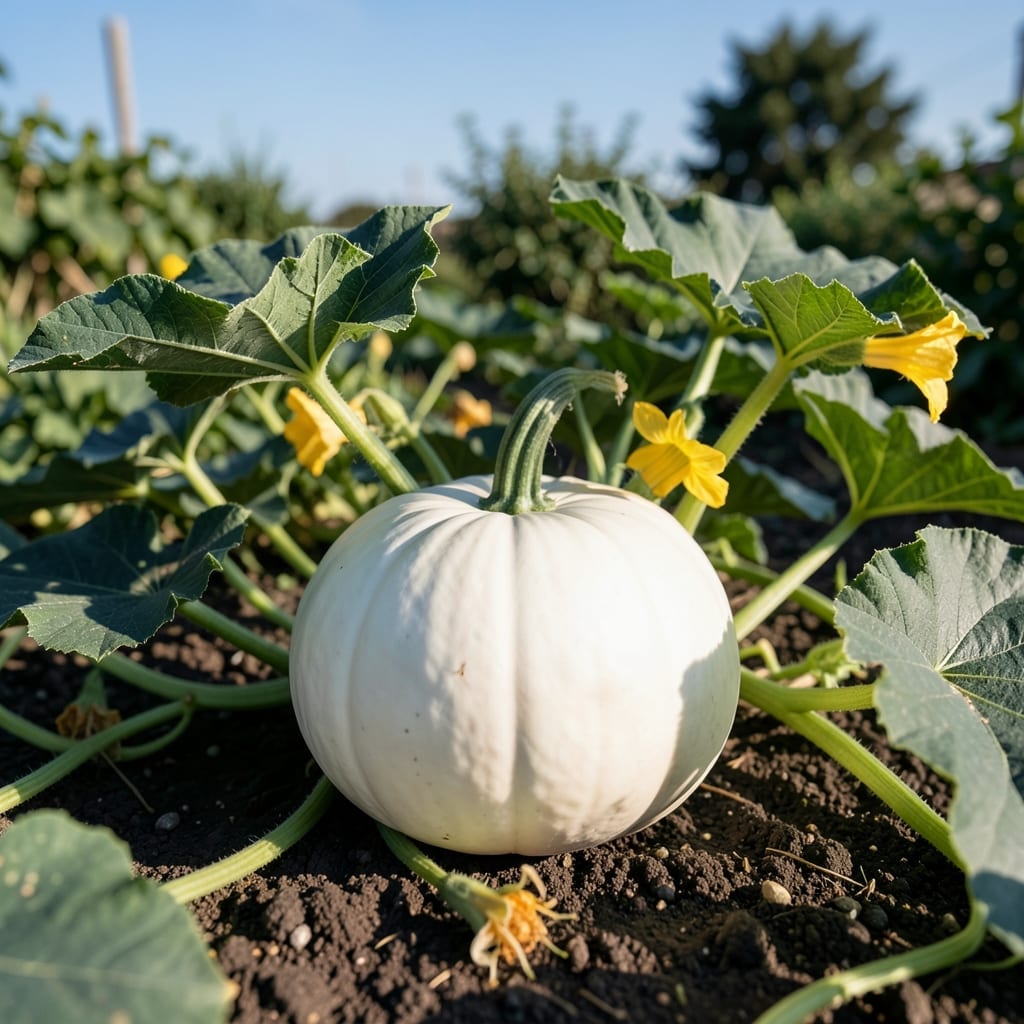
Yes, white pumpkins are real and include varieties like Lumina, Casper, and Ghost. They offer the same edible flesh as orange pumpkins with a unique, pale appearance.
These ghostly gourds aren’t just for decoration—they’re fully edible with a mild, sweet flavor that works perfectly in pies, soups, or roasted dishes. I’ve grown them myself and can confirm they thrive in the same conditions as their orange cousins, needing full sun and well-drained soil. What sets them apart is their striking ivory rind, which makes them a favorite for autumn centerpieces. ✨
Many gardeners love these varieties because they resist pests better than some traditional types, and their unique look adds visual interest to any harvest display. 💫
💡 In This Article
The pale coloration comes from a genetic mutation that reduces carotenoid production, the same pigments that give orange pumpkins their hue. Varieties like Lumina and Casper develop a pure white rind when mature, while others like Ghost may have slight green or gray streaks.
This mutation doesn’t affect the flesh, which remains the same vibrant orange inside. 🔥
White pumpkins typically range from 10-20 pounds at maturity, with smooth, ribbed exteriors that make them ideal for decorative carving. Their flesh has a slightly sweeter taste than traditional orange varieties, with a sugar content around 10-12% compared to the 8-10% in standard pumpkins. The texture is similarly dense and moist when cooked.
These varieties thrive in the same conditions as orange pumpkins: full sun (6-8 hours daily), well-drained soil with a pH of 6.0-7.5, and consistent watering of about 1-2 inches per week. They’re particularly resistant to powdery mildew, a common pumpkin disease, making them easier to cultivate in humid climates. ✨
What’s fascinating is that the white color actually provides a slight advantage in cooler climates. The pale rind reflects more sunlight than dark orange varieties, helping the fruit maintain more consistent internal temperatures during fluctuating autumn weather. This can lead to more uniform ripening. 💫
For culinary use, white pumpkins offer a subtle nutty undertone that pairs exceptionally well with warm spices like cinnamon and nutmeg. Their flesh is slightly less stringy than traditional varieties, making them particularly good for purees and soups where smooth texture is desired.
White pumpkins are fully edible with a mild, sweet flavor and dense flesh. They work perfectly in pies, soups, or roasted dishes, just like orange varieties. Their pale skin is the only difference!
They require the same conditions: full sun for 6-8 hours, well-drained soil, and 1-2 inches of water weekly. White varieties are often more resistant to powdery mildew, making them easier to cultivate.
White pumpkins have a slightly sweeter taste with a subtle nutty undertone. Their flesh is less stringy, making them ideal for smooth purees. Sugar content is about 10-12% compared to 8-10% in orange types.
They mature in 90-110 days. Harvest when the rind hardens and the stem dries. Always cut with 2-3 inches of vine attached—never lift by the stem!