
Beautiful Plants For Your Interior
Beautiful Plants For Your Interior
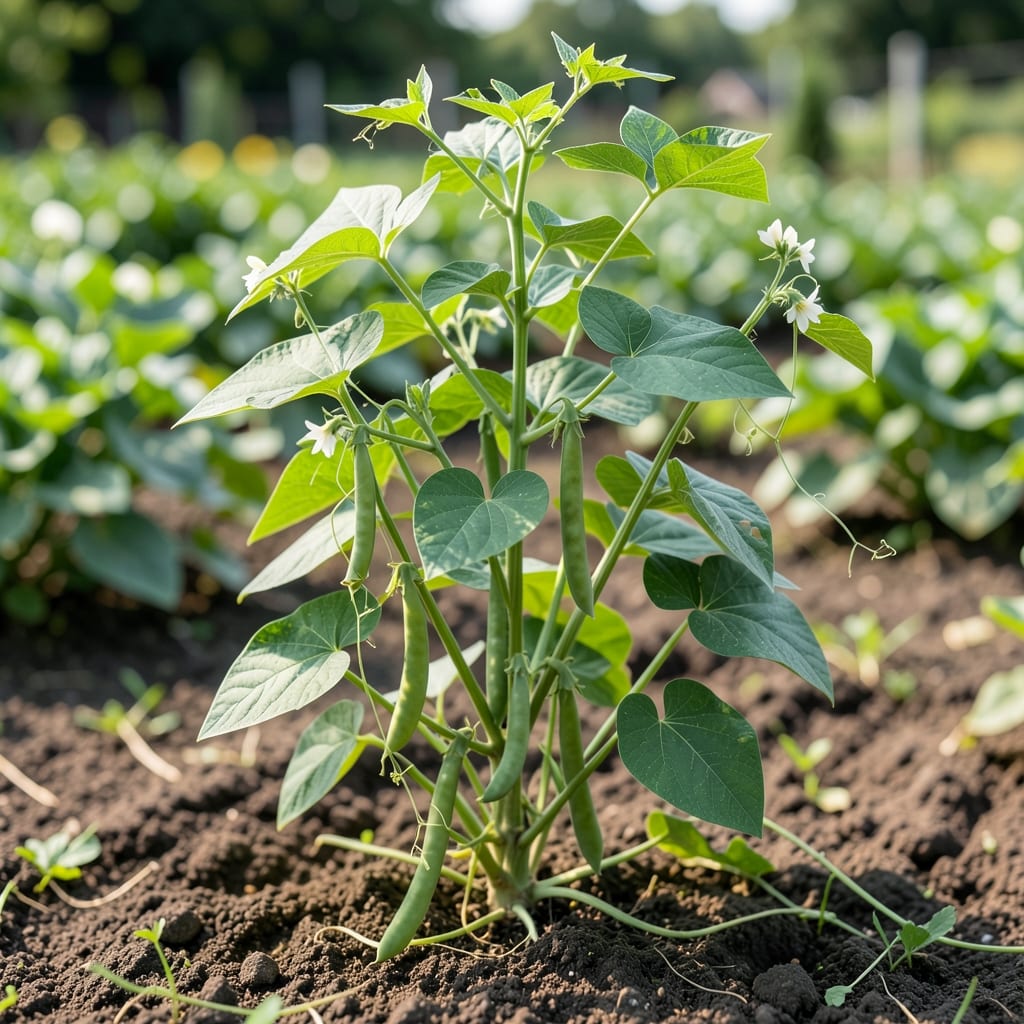
White fluffy growth on your bean plants isn’t cotton candy. I first spotted it on my pole beans last July—a soft, white coating spreading across leaves and stems like a bad science experiment.
This fungus thrives in cool, damp conditions, often appearing after a stretch of wet weather. It starts as small white spots, then explodes into the telltale fuzzy growth that can choke your plants overnight.
Caught early, you can stop the spread with simple treatments. Left unchecked, it’ll turn healthy bean patches into a wilted mess within days. The key is immediate action.
Works for bush beans, pole beans, and even your neighbor’s garden. Here’s how to identify and treat it before it’s too late.
White mold in beans is a frustrating yet preventable issue. Understanding its root causes helps you take targeted action to protect your crop. Here are the primary culprits behind this fungal disease:
Sclerotinia sclerotiorum, the fungus responsible for white mold, thrives in humid, stagnant environments. When bean plants are densely packed or grown in poorly ventilated areas, moisture lingers on leaves and stems, creating ideal conditions for spores to germinate. Relative humidity above 85% significantly increases infection risk, especially during flowering.
Overwatering or heavy rainfall can saturate the soil, promoting fungal growth. Beans are particularly vulnerable when foliage remains wet for extended periods. Drip irrigation or watering at the base of plants can reduce leaf wetness, while well-draining soil helps prevent waterlogged roots—a common entry point for the fungus.
The fungus favors temperatures between 50–75°F (10–24°C). Cool, damp springs or falls slow the plant’s natural defenses, giving white mold a foothold. In regions with cool, wet growing seasons, the risk is higher, making early planting or resistant varieties a smart preventive measure.
Sclerotinia overwinters in decaying plant matter, including old bean stems and leaves. If infected debris isn’t removed, spores can survive for years, reinfecting new crops. Crop rotation (avoiding beans or other susceptible plants in the same spot for 3–4 years) and thorough field cleanup are critical to breaking the cycle.
Dealing with white mold on beans starts with quick, targeted action. Below are practical fixes for each common cause, paired with prevention tips to keep your plants healthy long-term.
White mold thrives in dense, humid conditions. Thin seedlings to improve airflow, leaving 4–6 inches between plants. Remove affected foliage immediately to stop the spread. Prevention: Plant in rows with wider spacing and avoid over-fertilizing with nitrogen, which encourages lush, susceptible growth.
Soggy soil is a breeding ground for mold. Switch to drip irrigation to water at the base and keep leaves dry. If growing in containers, ensure pots have drainage holes. Prevention: Water early in the day so foliage dries quickly, and use mulch to reduce soil splashing onto leaves.
Stagnant air traps humidity around plants. Prune lower leaves to open the canopy and use stakes or trellises for climbing varieties. This boosts circulation and sunlight penetration. Prevention: Space rows at least 2 feet apart and avoid planting near walls or fences that block wind.
White mold survives on dead plant matter. Remove and destroy all infected leaves, stems, and pods—don’t compost them. Rotate crops yearly to break the mold’s life cycle. Prevention: At season’s end, till the soil to bury residue and reduce overwintering spores.
💡 Pro Tip: Apply a copper-based fungicide at the first sign of white, fuzzy growth, following label instructions carefully for edible crops.
No, avoid eating beans from infected plants. The fungus can produce toxins harmful if ingested. Discard affected pods and leaves to prevent further spread.
Rotate crops yearly and remove all plant debris after harvest. Use resistant bean varieties and space plants for better airflow. This breaks the fungus life cycle effectively.
Yes, copper-based sprays or neem oil can help, especially when applied at the first sign of infection. Reapply after rain for best results.