
Beautiful Plants For Your Interior
Beautiful Plants For Your Interior
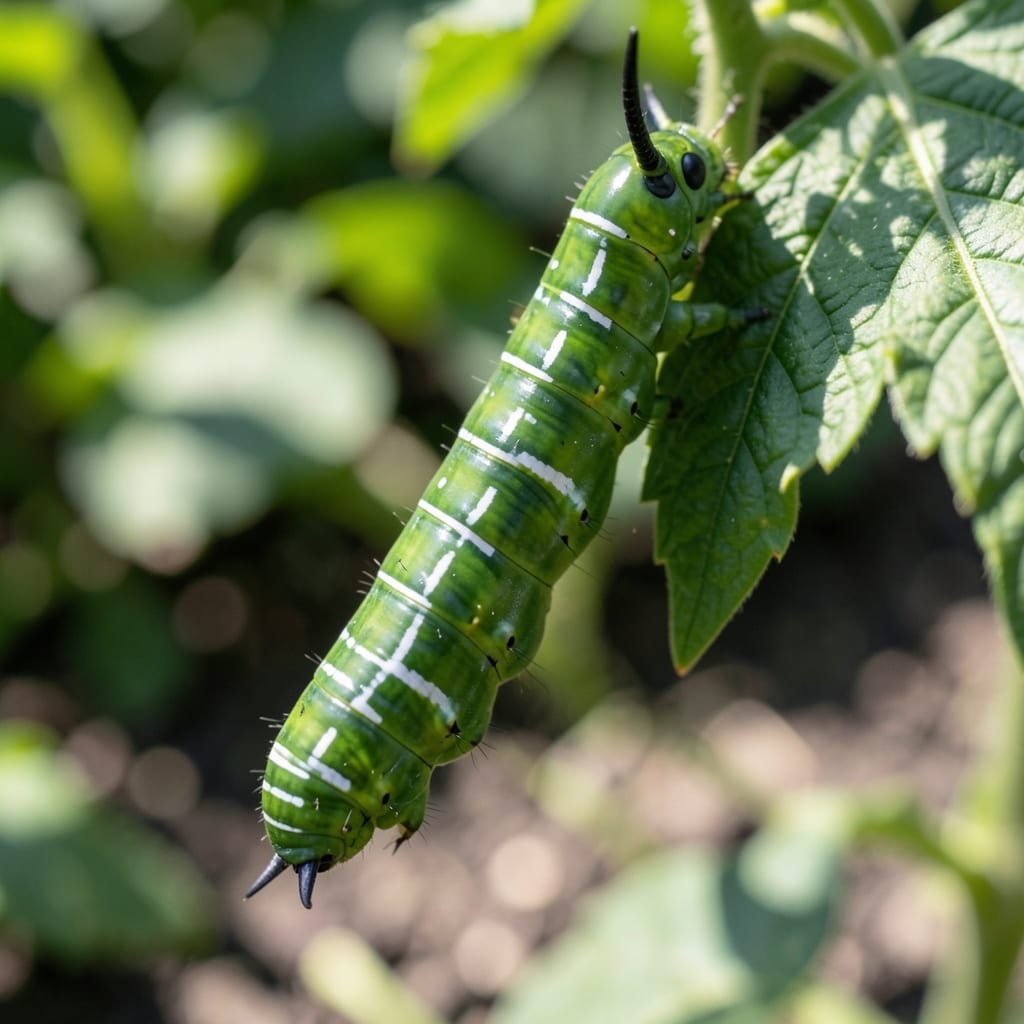
I first spotted them munching through my tomato leaves at dawn. These smooth, green caterpillars with bold stripes blend in perfectly until they’ve stripped half your plants bare overnight.
White-lined sphinx moth caterpillars move fast and eat faster. They target tomatoes, peppers, and even weeds, but a sharp eye catches their yellow and black markings before they cause serious damage.
The good news? They’re easy to remove by hand if you check plants daily. Drop them in soapy water and the problem stops immediately without chemicals.
Prevention means scanning for eggs on leaf undersides and keeping garden debris cleared. A little vigilance saves your entire harvest from these hungry invaders.
The sudden appearance of white-lined sphinx moth caterpillars, often in large numbers, is typically driven by a combination of environmental and biological factors. These voracious feeders thrive under specific conditions that allow their populations to explode. Below are the primary causes behind their outbreaks.
These caterpillars are polyphagous, meaning they can feed on a wide variety of plants, including weeds like Portulaca (purslane) and crops such as tomatoes, grapes, and cannabis. When these host plants are plentiful—especially in gardens, agricultural fields, or disturbed soils—the caterpillars find ample food, leading to rapid population growth. Overgrown or untended areas with dense vegetation are particularly vulnerable.
White-lined sphinx moths are highly sensitive to temperature. Warm, dry conditions (typically above 75°F or 24°C) accelerate their life cycle, allowing them to develop from egg to adult in as little as 30–40 days. Drought-stressed plants may also produce more soluble nitrogen, which these caterpillars crave, further fueling their numbers.
Adult white-lined sphinx moths are strong fliers and can migrate long distances to find suitable breeding grounds. If nearby areas experience food shortages or harsh conditions, moths may relocate to your garden, laying hundreds of eggs on available host plants. This influx can trigger a localized infestation almost overnight.
In balanced ecosystems, predators like parasitic wasps, birds, and ground beetles help control caterpillar populations. However, in gardens treated with broad-spectrum pesticides or lacking biodiversity, these natural checks are absent. Without predators, caterpillars multiply unchecked, leading to noticeable damage.
Dealing with an infestation of these garden pests can feel overwhelming, but these practical solutions will help you take back control. 🌿
If the infestation is small, handpicking is the simplest and most eco-friendly method. Wear gloves and check your plants daily, especially in the morning or evening when caterpillars are most active. Drop them into a bucket of soapy water to ensure they don’t return.
For larger infestations, use natural sprays like neem oil or Bacillus thuringiensis (Bt). These are organic, non-toxic options that disrupt the caterpillars’ feeding cycle without harming beneficial insects. Mix according to package instructions and apply in the early morning or late evening for best results.
Protect vulnerable plants with row covers or fine mesh netting. This prevents adult moths from laying eggs on your plants. Secure the edges tightly to keep pests out while allowing light and water to reach your garden.
Look for smooth, green bodies with bold yellow and black stripes. They grow up to 3 inches long and have a distinctive horn near the rear. Check leaf undersides in the early morning or evening.
They love tomatoes, peppers, grapes, and even weeds like purslane. These caterpillars are not picky eaters and will strip leaves overnight if left unchecked.
No, they don’t bite or sting. The caterpillars are harmless to people but can cause significant damage to your garden plants if not controlled.
In warm, dry conditions above 75°F, they can complete their life cycle in as little as 30–40 days. A single moth can lay hundreds of eggs.