
Beautiful Plants For Your Interior
Beautiful Plants For Your Interior
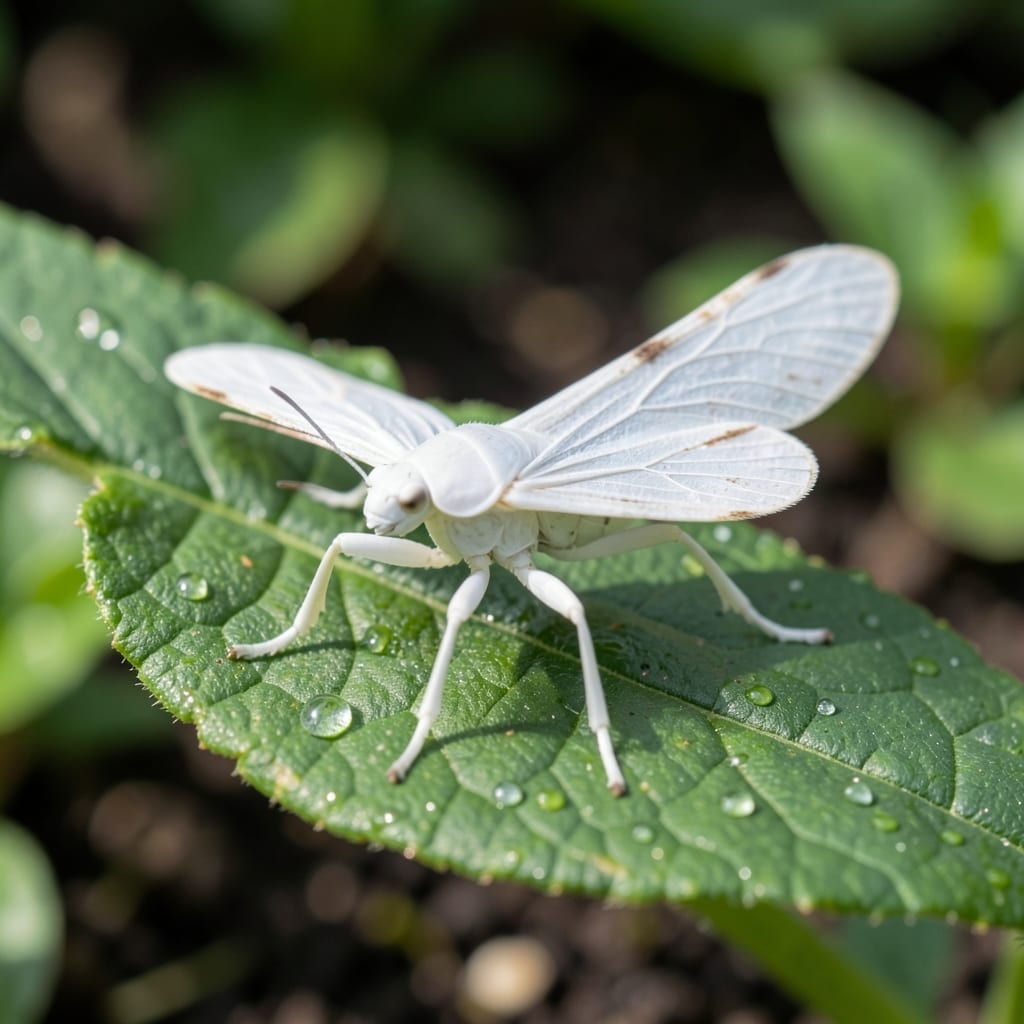
Tiny white bugs on your plants are more than annoying—they’re a sign your garden needs help. I first spotted them on my eggplants last summer, and the leaves turned yellow before I knew what hit them.
These pests target everything from tomatoes to ornamentals, but organic solutions work better than you’d expect. Neem oil, insecticidal soap, and beneficial insects can turn the tide without harsh chemicals.
Prevention is simpler than treatment. Regular leaf inspections and weekly sprays during warm months keep them from taking hold. Healthy plants resist infestations better than stressed ones.
Works for greenhouses, raised beds, and container gardens alike. Let’s save your plants.
The white leaf bug, often a result of environmental stressors or pests, can leave your plants looking sickly. Understanding the root causes helps in addressing the issue effectively. Below are the primary reasons why this condition occurs.
Plants exposed to prolonged heatwaves or sudden cold snaps may develop white or pale leaves. High temperatures can scorch leaves, while cold stress disrupts chlorophyll production, leading to discoloration. Maintain stable temperatures between 65–75°F (18–24°C) for most plants to prevent this.
Excess water suffocates roots, reducing their ability to absorb nutrients like magnesium and iron—key components for green pigment. Symptoms include yellowing (chlorosis) that progresses to white. Ensure pots have drainage holes and use well-aerated soil to avoid waterlogging.
Insects like aphids, whiteflies, or spider mites pierce leaf tissues to feed on sap, draining essential nutrients. Their damage often appears as white or yellow stippling. Inspect undersides of leaves and treat infestations with neem oil or insecticidal soap.
A lack of nitrogen, iron, or zinc can bleach leaves white. Nitrogen deficiency causes uniform pallor, while iron or zinc shortages lead to interveinal chlorosis (white areas between veins). Conduct a soil test and amend with organic fertilizers or micronutrient sprays as needed.
Tackling a white leaf bug infestation requires a mix of immediate action and long-term prevention. Below are targeted solutions for the most common causes, along with tips to keep your plants healthy and pest-free.
Fix: Reduce watering frequency and ensure pots have drainage holes. Repot plants in well-draining soil if the current mix retains too much moisture. Let the top inch of soil dry out between waterings.
Prevention: Use a moisture meter to monitor soil conditions and avoid overwatering. Choose containers with drainage holes to prevent waterlogging.
Fix: Move plants to a more ventilated area or use a small fan to improve airflow around foliage. Prune dense growth to allow better air movement.
Prevention: Space plants adequately and avoid overcrowding. Regularly trim excess leaves to maintain good airflow.
Fix: Switch to organic treatments like neem oil or insecticidal soap. Apply in the early morning or late evening for best results, and reapply every 5-7 days until the infestation clears.
Prevention: Rotate treatments to prevent bugs from developing resistance. Introduce beneficial insects like ladybugs or lacewings to naturally control pest populations.
Fix: Strengthen plants with a balanced organic fertilizer. Remove heavily infested leaves to reduce pest spread and help the plant recover.
Prevention: Maintain consistent care routines, including proper watering, lighting, and feeding. Healthy plants are less susceptible to pests.
💡 Pro Tip: Regularly inspect the undersides of leaves for early signs of white leaf bugs. Catching them early makes treatment far easier!
Look for tiny white insects clustered on leaf undersides or new growth. They often leave sticky honeydew residue and may cause leaf curling or yellowing. Use a magnifying glass for small infestations.
They target tomatoes, eggplants, peppers, and ornamentals. Greenhouse plants and indoor houseplants are especially at risk due to controlled environments. Check these plants weekly during warm months.
Avoid harsh chemicals on edible plants. For severe cases, use pyrethrin-based sprays in the early morning when pollinators are less active. Always follow label instructions carefully.