
Beautiful Plants For Your Interior
Beautiful Plants For Your Interior
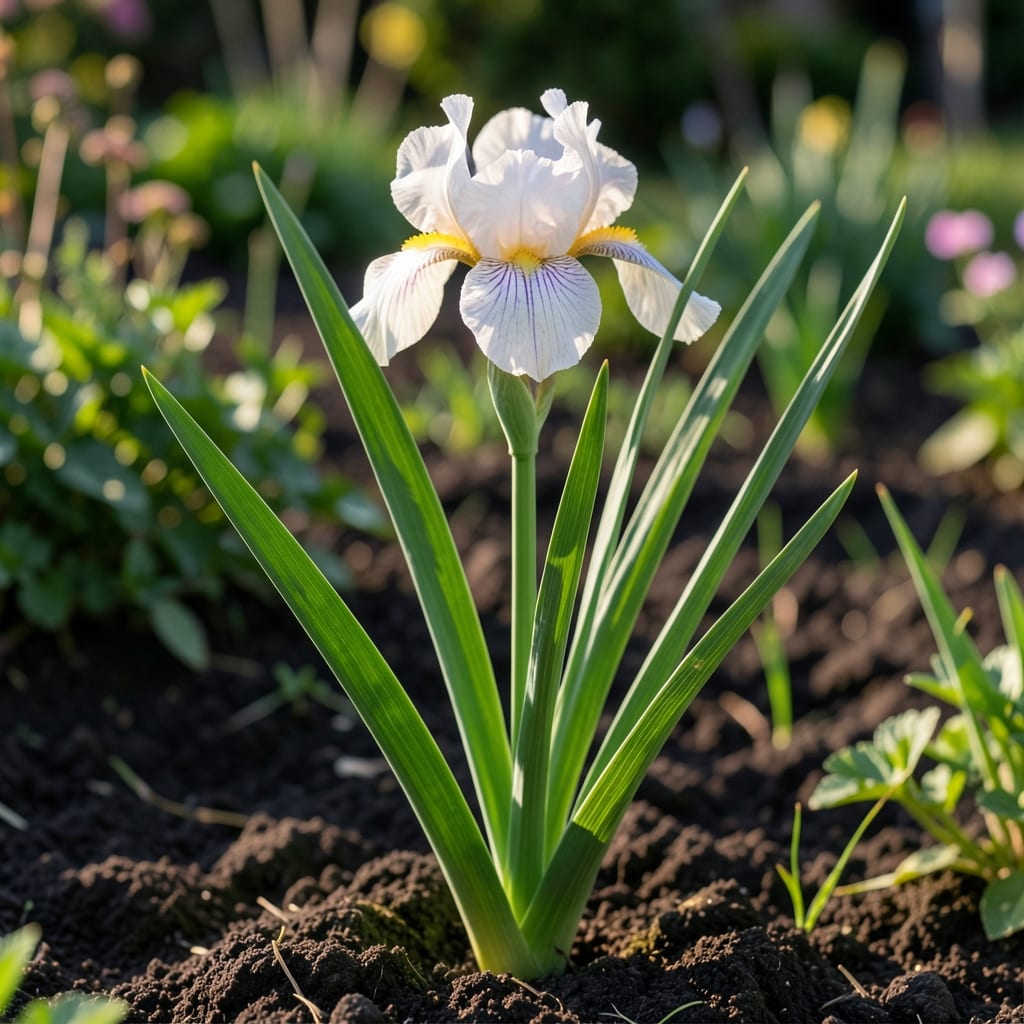
These elegant flowers transformed my boggy backyard corner into a showstopping summer display. White Japanese iris thrives where other plants fail—wet soil, partial shade, and even those tricky low spots.
With proper planting in acidic soil and consistent moisture, you’ll get stunning white blooms that return year after year. The key is matching their natural swampy habitat without drowning the roots.
📚 In This Guide
This method delivers healthy plants with abundant flowers every season without fail.
Select a location with full sun to partial shade—white Japanese iris thrives in 4-6 hours of direct sunlight daily. The soil must be consistently moist, so avoid dry, sandy spots. I always test the area first by digging a 1-foot-deep hole and filling it with water to see how quickly it drains.
Amend the soil with plenty of organic matter like compost or well-rotted manure to improve moisture retention. These plants prefer slightly acidic to neutral soil with a pH between 5.5 and 7.0. Work the amendments into the top 12-18 inches of soil for best results.
Plant rhizomes in early spring or early fall, spacing them 12-18 inches apart to allow for mature spread. Dig a shallow hole, just deep enough to cover the rhizome with about 1 inch of soil—planting too deep can rot the rhizome and kill the plant.
Place the rhizome horizontally in the hole, with the fan of leaves pointing upward. Firm the soil gently around it to eliminate air pockets, but avoid compacting it too much. Water thoroughly after planting to settle the soil and encourage root establishment.
White Japanese iris demands consistent moisture, especially during the first growing season. Water deeply whenever the top 1 inch of soil feels dry to the touch. These plants are semi-aquatic in their native habitat, so they tolerate and even enjoy wet conditions.
Apply a 2-3 inch layer of organic mulch, like shredded bark or straw, around the base of the plants to retain moisture and suppress weeds. Keep the mulch a few inches away from the rhizome itself to prevent rot. Replenish the mulch as needed to maintain the depth.
Feed the plants with a balanced, slow-release fertilizer in early spring as new growth emerges. I use a 10-10-10 formula and apply it according to package instructions, but avoid over-fertilizing—too much nitrogen promotes leafy growth at the expense of flowers.
Watch for common pests like iris borers or aphids. If you notice yellowing leaves or holes in the foliage, inspect the plant closely. Remove any affected leaves immediately to prevent the spread of pests or disease. Regular monitoring keeps problems in check.
Divide clumps every 3-4 years to prevent overcrowding and maintain vigorous blooming. Use a sharp knife or spade to separate the rhizomes, ensuring each division has at least one healthy fan of leaves. Replant the divisions immediately, following the same depth and spacing guidelines.
After flowering, remove spent blooms to keep the garden tidy, but leave the foliage intact until it yellows naturally. This allows the plant to store energy for next year’s growth. Cut back the foliage to 6 inches above the ground in late fall or early winter once it has died back completely.
These insights will help you avoid common pitfalls and grow stunning blooms year after year.
Sunlight Requirements: The 4-6 hours of direct sunlight is non-negotiable for abundant flowering. I learned this the hard way when my first planting in full shade produced beautiful foliage but not a single bloom. Morning sun with afternoon shade works particularly well in hotter climates.
Soil Depth Matters: That 1 inch of soil covering the rhizome in Step 2 is critical. Confession: I planted my first batch too deep, and the rhizomes rotted before they could establish. The shallow planting allows the top of the rhizome to receive light, which is essential for healthy growth.
Moisture Management: The 1 inch soil dryness test in Step 3 is your best guide for watering. These plants thrive in consistently moist soil, so don’t wait until the soil is bone dry. I’ve found that a thick 3 inch layer of mulch reduces my watering frequency by nearly half while keeping the roots happy.
Long-Term Care: That 3-4 year division schedule in Step 5 prevents overcrowding, which can lead to fewer blooms. Between us, I waited 5 years once and the center of my clump completely stopped flowering. The 6 inch cutback in late fall may look drastic, but it prevents disease and encourages vigorous growth the following season.
Plant in early spring or fall for best results. This allows roots to establish before extreme heat or cold. Avoid summer planting, as stress can hinder growth.
They thrive in full sun to partial shade. Aim for 4-6 hours of sunlight daily. Too much shade may reduce blooming, while full sun ensures vibrant flowers.
Watch for iris borers, aphids, or fungal issues like leaf spot. Ensure good drainage and remove dead foliage to prevent problems. Neem oil can help control pests naturally.
Yes! Use a large pot with well-draining soil. Keep the soil moist but not soggy, and provide ample sunlight. Repot every 2-3 years to refresh the soil.
Lack of blooms may result from insufficient sunlight, overcrowding, or poor soil fertility. Divide clumps every 3-4 years and fertilize in early spring to encourage flowering.