
Beautiful Plants For Your Interior
Beautiful Plants For Your Interior
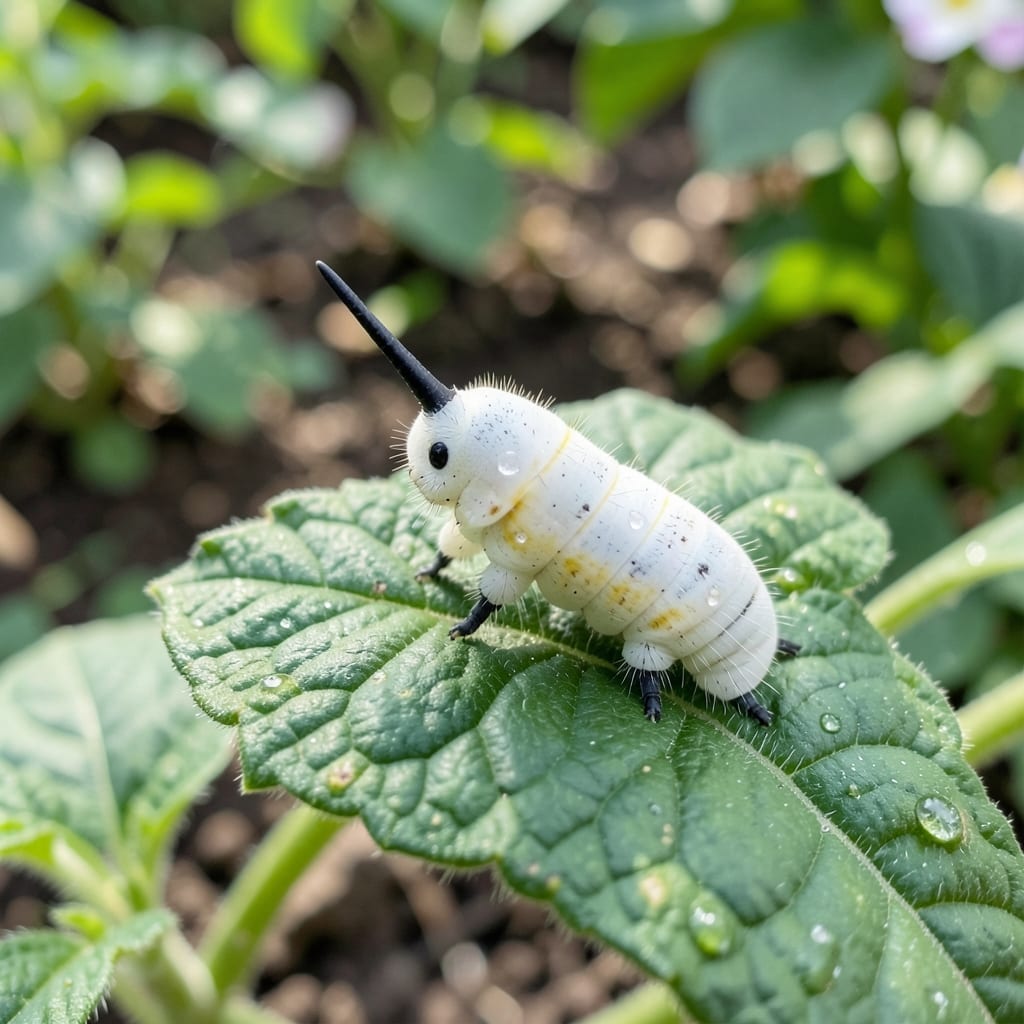
I spotted my first white horned caterpillar last summer, munching through my tomato plants with shocking speed. These pests are easy to miss until the damage is already done.
They start small but grow to 3-4 inches long, with a single white horn on their back end. Look for chewed leaves and dark droppings as early warning signs of an infestation.
Left unchecked, they can defoliate plants in days. The good news? You can remove them by hand or use organic sprays without harming beneficial insects.
Prevention is simpler than you think—regular plant inspections and encouraging natural predators work wonders.
The appearance of the white horned caterpillar in gardens is primarily driven by environmental and biological factors. These caterpillars, often the larval stage of Hyles lineata (white-lined sphinx moth), thrive under specific conditions that favor their growth and survival.
These caterpillars are attracted to gardens with abundant host plants like evening primrose, portulaca, or tomato leaves. The presence of these plants provides the necessary food sources for their development. If your garden includes these species, it may inadvertently invite white horned caterpillars to take up residence.
White horned caterpillars flourish in warm, dry climates, which are typical during late spring and summer. Higher temperatures accelerate their life cycle, allowing them to feed and grow rapidly. Regions with prolonged warm weather often see higher populations of these caterpillars.
The life cycle of the white-lined sphinx moth directly influences caterpillar presence. Adult moths lay eggs on host plants, and these eggs hatch into caterpillars within days. Increased moth activity in your area, often noticeable during dusk, can lead to a surge in caterpillar numbers as they begin their larval stage.
If you’ve spotted these horned invaders in your garden, here’s how to take action without harming the ecosystem.
For small infestations, handpick the caterpillars early in the morning or late evening when they’re less active. Wear gloves to avoid skin irritation from their spines. Drop them into a bucket of soapy water to ensure they don’t return. Prevention tip: Inspect plants weekly, especially the undersides of leaves.
Encourage beneficial insects like parasitic wasps, ladybugs, or birds by planting nectar-rich flowers or installing birdhouses. These predators will keep caterpillar populations in check naturally. Prevention tip: Avoid broad-spectrum pesticides that kill helpful insects too.
Use neem oil or Bacillus thuringiensis (Bt) sprays to target caterpillars without harming other wildlife. Apply in the early stages of infestation for best results. Prevention tip: Reapply after rain for continued protection.
Remove leaf litter, weeds, and plant debris where caterpillars may hide or overwinter. Rotate crops annually to disrupt their life cycle. Prevention tip: Mulch with cedar chips—its scent deters many pests.
Combine these methods for a sustainable, chemical-free approach to protecting your garden.
No, but their spines can cause mild skin irritation. Always wear gloves when handling them to avoid any discomfort.
They prefer evening primrose, portulaca, and tomato plants. Check these first if you suspect an infestation.
Rapidly! A single moth can lay 100+ eggs that hatch within days. Early action prevents widespread damage.
Yes, they’re the larval stage of the white-lined sphinx moth. Their life cycle completes in about 1-2 months.