
Beautiful Plants For Your Interior
Beautiful Plants For Your Interior
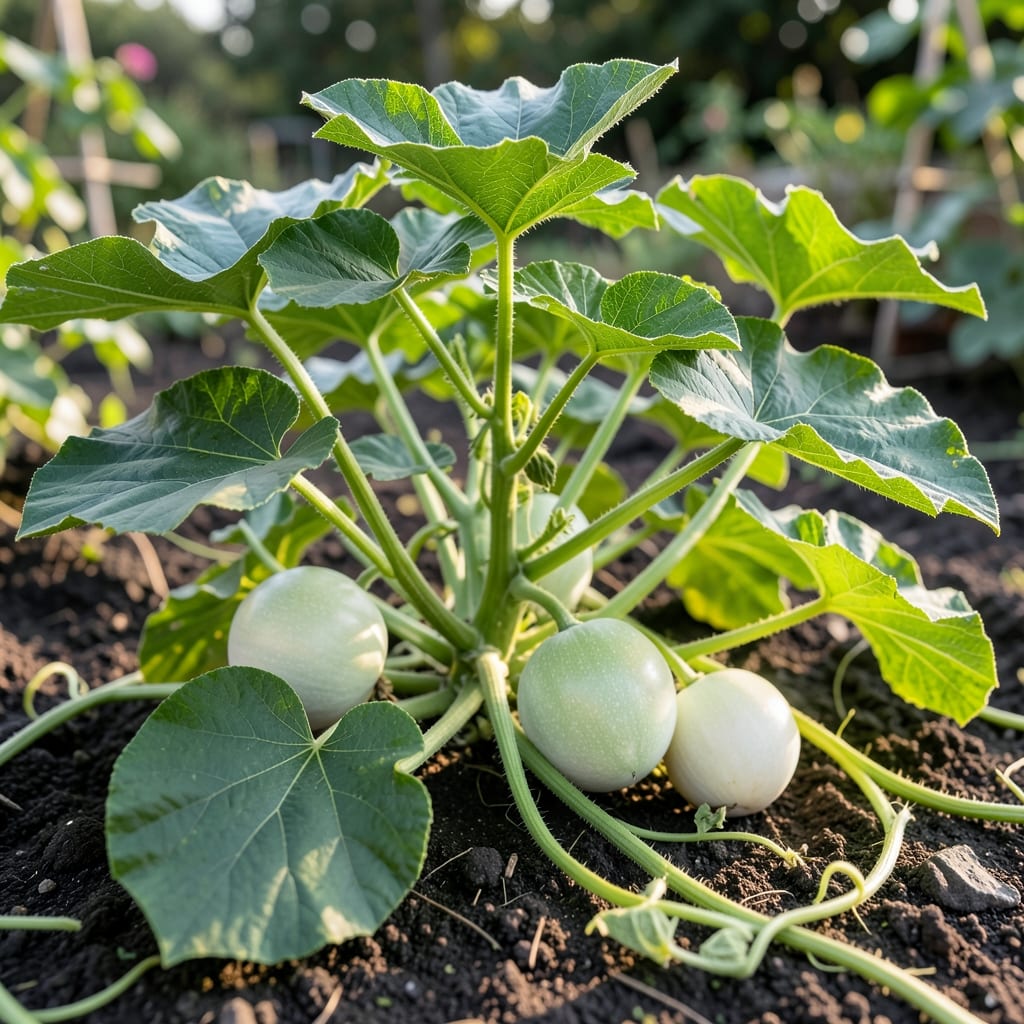
Spotted sticky white residue on your plants? That’s honeydew, and it’s more than just messy. 🌿
This substance is usually left behind by sap-sucking pests like aphids or scale, and it can lead to sooty mold if ignored. I’ve dealt with this issue in my own garden, and the key is catching it early.
You’ll need to identify the pests first, then use a simple spray of water or insecticidal soap to knock them off. Prevention is easier than you think—just keep an eye on new growth.
With the right approach, your plants will recover and stay healthy and vibrant all season long.
The white, powdery or sticky residue often called “white honeydew” on plants is usually a sign of underlying stress or infestation. Below are the primary causes, explained with actionable insights.
Aphids, scale insects, and mealybugs are the most common culprits. These pests pierce plant tissues to feed on sap, excreting excess sugars as a sticky, white substance known as honeydew. This residue can attract sooty mold, a black fungus that further harms the plant.
Action: Inspect the undersides of leaves and stems for clusters of tiny insects. Use insecticidal soap or neem oil to disrupt their life cycle.
Plants under heat stress, drought, or poor air circulation may produce excess sap as a survival response, leading to a honeydew-like coating. Over-fertilization, particularly with high-nitrogen formulas, can also trigger sap overproduction.
Action: Adjust watering schedules, improve ventilation, and avoid over-feeding. Ensure plants receive consistent, moderate conditions.
Some fungal diseases, like powdery mildew, can mimic honeydew with their white, dusty appearance. Unlike pest-related honeydew, this is a direct result of fungal spores colonizing the plant surface.
Action: Remove infected leaves and apply a fungicide. Increase airflow and reduce humidity to prevent recurrence.
Dealing with white honeydew on plants can be frustrating, but these practical solutions will help you restore your garden’s health. Below are targeted fixes for common causes, along with prevention tips to keep your plants thriving.
Fix: Adjust your watering schedule to allow the soil to dry slightly between waterings. Ensure pots have drainage holes, and use well-draining soil. For affected plants, repot them in fresh, dry soil to prevent root rot.
Prevention: Use a moisture meter to monitor soil conditions and avoid waterlogging. 💡 Pro tip: Water in the morning to allow excess moisture to evaporate during the day.
Fix: Remove visible pests with a cotton swab dipped in rubbing alcohol. For larger infestations, apply insecticidal soap or neem oil spray, focusing on the undersides of leaves where pests hide.
Prevention: Inspect plants regularly for early signs of pests. Introduce beneficial insects like ladybugs to your garden as a natural deterrent. ✨ Keep your garden clean to reduce hiding spots for pests.
Fix: Move plants to a location with bright, indirect light and stable temperatures. If growing indoors, use grow lights to supplement natural light during shorter days.
Prevention: Maintain consistent conditions—avoid placing plants near drafts, heaters, or air conditioners. 🎯 Aim for 6-8 hours of light daily for most houseplants.
Fix: Prune affected leaves and stems with sterilized tools to prevent the spread. Apply a copper-based fungicide or bactericide to the plant and surrounding soil.
Prevention: Improve air circulation around plants and avoid overhead watering. 🌿 Space plants adequately to reduce humidity buildup.
Check for tiny insects under leaves or sticky residue for pests. Fungal issues like powdery mildew appear as white, powdery spots without stickiness.
Start with a strong spray of water to dislodge them. For stubborn infestations, use neem oil or insecticidal soap, applying every 5-7 days until gone.
Encourage natural predators like ladybugs, maintain good airflow, and avoid over-fertilizing. Regularly wipe leaves with a damp cloth to remove dust and early signs.
Yes, pests and fungal spores can spread quickly. Isolate affected plants and treat immediately. Always sterilize tools after pruning infected areas.