
Beautiful Plants For Your Interior
Beautiful Plants For Your Interior
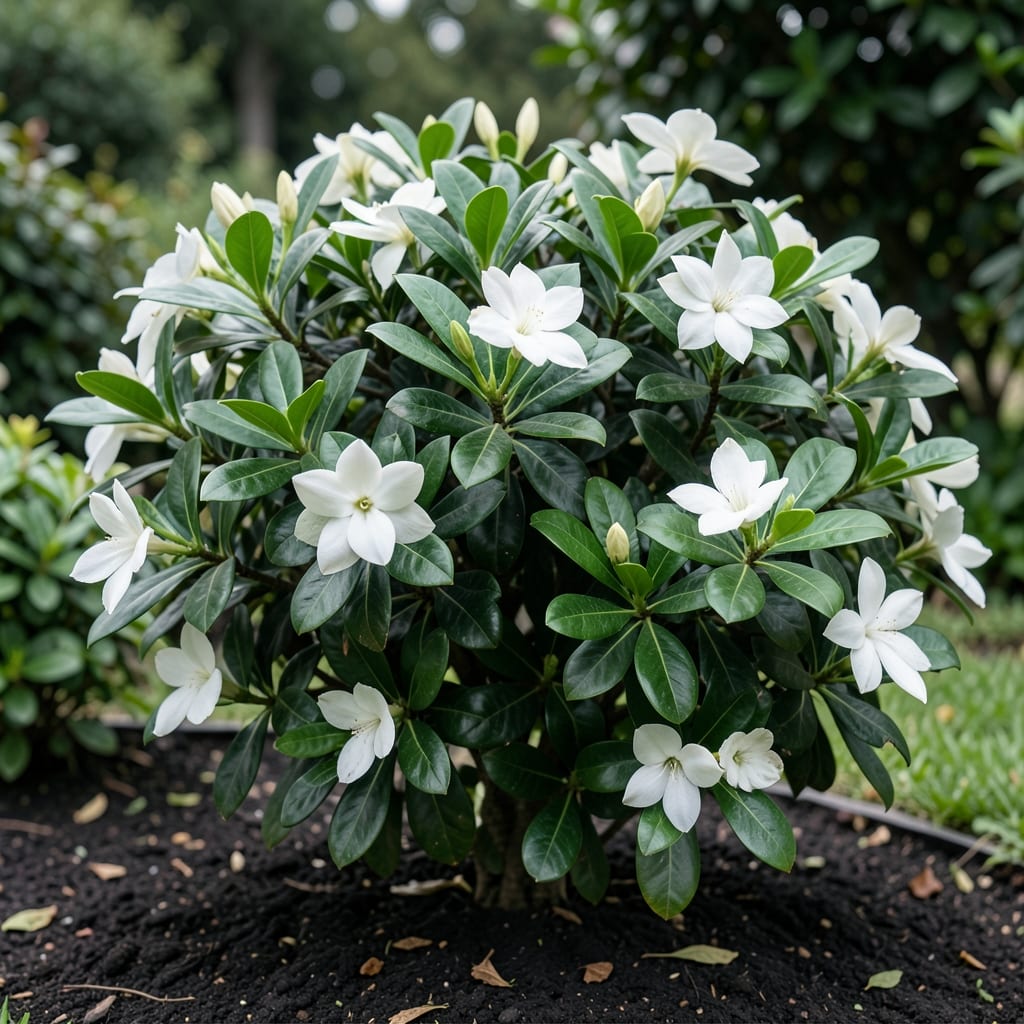
That first gardenia bloom hits like a summer memory. I’ve grown these for years, and the trick is matching their tropical roots to your climate’s reality.
With the right soil, light, and a little patience, you’ll get glossy leaves and intoxicating fragrance from late spring through fall. Even finicky plants can thrive with consistent care.
📚 In This Guide
Here’s my foolproof method for cultivating healthy gardenias that bloom profusely all season long.
Choose a site with partial to full sun (morning sun with afternoon shade is ideal) and well-draining, acidic soil with a pH between 5.0 and 6.0. Gardenias thrive in these conditions and will struggle in alkaline or waterlogged soil. I always test my soil first—it’s the only way to know if amendments are needed.
Work in 2-3 inches of organic compost to improve fertility and drainage. If your soil is heavy clay, mix in peat moss or pine bark fines to lighten it. Avoid adding lime or wood ash, as these raise pH and can stunt growth or prevent blooming entirely.
Dig a hole that’s twice as wide and just as deep as the root ball. Gently remove the plant from its container and loosen any circling roots to encourage outward growth. Position the gardenia so the top of the root ball sits slightly above the surrounding soil level—this prevents water from pooling around the stem.
Backfill the hole with native soil, tampering lightly to remove air pockets. Water deeply immediately after planting to settle the soil and eliminate gaps around the roots. A 2-3 inch layer of mulch (pine needles work well) will retain moisture and keep roots cool, but keep it a few inches away from the trunk to prevent rot.
Keep the soil consistently moist but not soggy—gardenias are sensitive to both drought and overwatering. I water deeply when the top inch of soil feels dry to the touch, usually every 3-4 days in hot weather and less frequently during cooler periods. Drip irrigation or a soaker hose works best to avoid wetting the foliage, which can invite fungal diseases.
Fertilize with an acid-forming, high-phosphorus formula (like 10-20-10) every 3-4 weeks during the growing season. Stop fertilizing 6-8 weeks before the first expected frost to avoid encouraging tender new growth that could be damaged by cold. Yellowing leaves often signal a nutrient deficiency, usually iron or magnesium, which can be corrected with chelated iron or Epsom salt applied to the soil.
Prune gardenias immediately after they finish blooming, typically in late summer or early fall. This timing ensures you don’t cut off next season’s flower buds, which form in late summer. Use clean, sharp pruners to remove dead or weak branches, and thin out crowded growth to improve air circulation.
Shape the bush lightly to maintain its natural form, but avoid heavy pruning—gardenias bloom on old wood, and aggressive cuts can sacrifice flowers. Watch for pests like aphids or whiteflies, which can be controlled with horticultural oil or insecticidal soap. Regular maintenance keeps the plant vigorous and blooming continuously.
These small details make the difference between a struggling plant and one that thrives with abundant blooms.
Soil pH is Non-Negotiable: Don’t skip testing your soil pH before planting. The 5.0 to 6.0 range mentioned in Step 1 is critical—gardenias simply won’t absorb nutrients properly outside this window. I learned this the hard way after losing two bushes to alkaline soil before realizing my mistake. A simple soil test kit from any garden center is all you need.
Planting Depth Precision: In Step 2, positioning the root ball slightly above soil level isn’t just a suggestion. This prevents stem rot, which is a silent killer for gardenias. I’ve seen perfectly healthy plants decline rapidly from this one oversight. Tamp the soil gently but firmly to eliminate air pockets, which can dry out roots.
Watering Technique Matters: The top inch of soil rule in Step 3 works, but here’s the nuance: stick your finger in the soil up to the second knuckle. If it feels dry at that depth, it’s time to water deeply. Gardenias hate wet feet, so ensure your planting site has excellent drainage. Drip irrigation is ideal, but if hand-watering, do it early in the day so foliage dries quickly.
Fertilizing Timing: The 6-8 weeks before frost cutoff in Step 3 exists for a reason. Late fertilizing produces tender growth that winter will damage. I mark my calendar when I stop fertilizing. Also, yellow leaves often indicate iron deficiency—chelated iron works faster than regular iron supplements for gardenias.
Water your white gardenia bush deeply 1-2 times per week, ensuring the soil stays moist but not soggy. Gardenias prefer acidic, well-draining soil, so check the top inch of soil for dryness before watering again.
Yellow leaves often signal overwatering, poor drainage, or nutrient deficiencies (like iron). Test your soil’s pH—gardenias thrive in acidic conditions (5.0-6.0). Adjust with sulfur or iron supplements if needed.
Prune after the blooming season ends, typically in late summer or early fall. This gives the plant time to set new buds for next year. Avoid heavy pruning before spring to protect the flowers.
Yes! Choose a large pot with drainage holes and use acidic potting mix. Keep it in partial shade and water consistently. Container-grown gardenias may need more frequent fertilizing to thrive.
Watch for aphids, scale, and whiteflies. Treat infestations with neem oil or insecticidal soap. Regularly inspect leaves and stems to catch pests early and keep your gardenia healthy.