
Beautiful Plants For Your Interior
Beautiful Plants For Your Interior
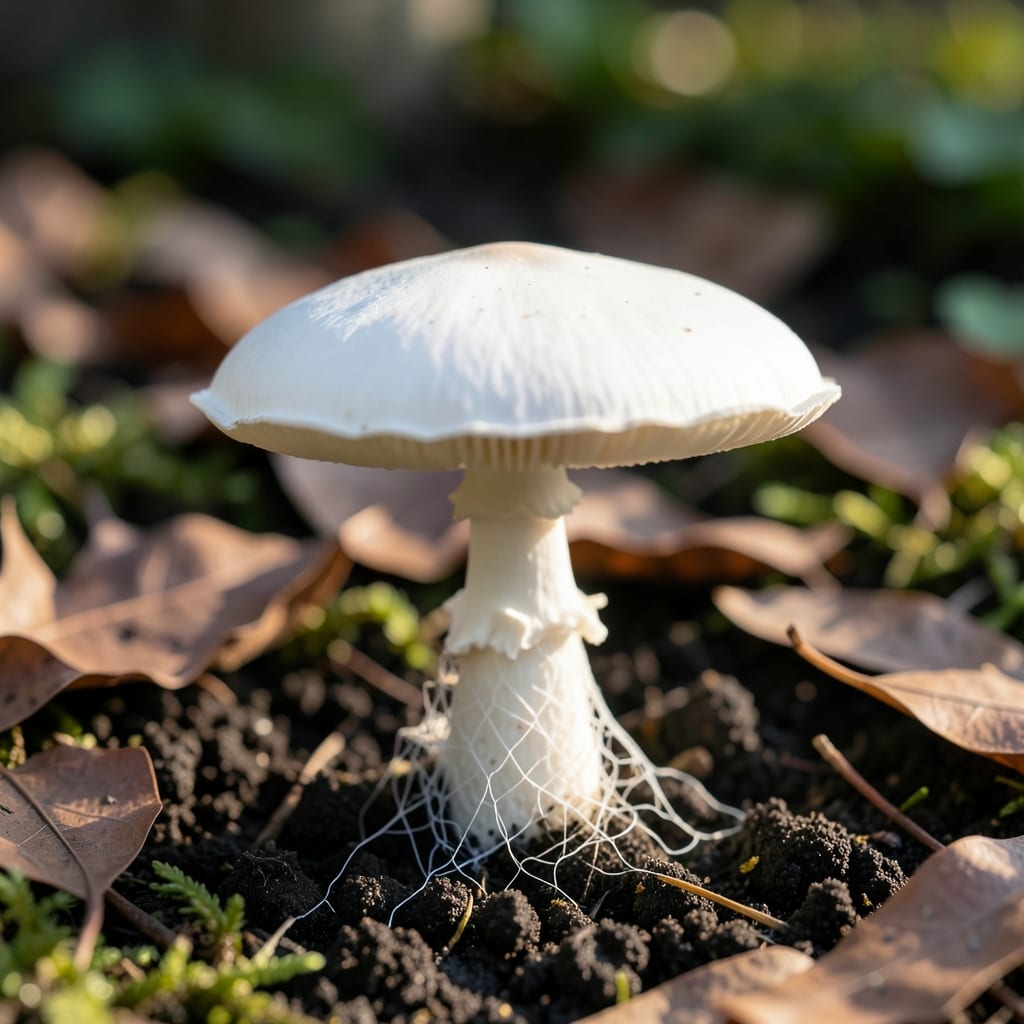
That white stuff on your plants isn’t just unsightly—it’s a warning sign. I’ve seen gardens go from thriving to struggling overnight because of this issue, but the good news is it’s often fixable.
Most cases start with too much moisture and not enough airflow. The powdery coating spreads fast, turning leaves yellow and stunting growth. Catching it early makes all the difference.
With a few simple adjustments to your watering routine and some natural treatments, you can stop the spread within a week. Your plants will bounce back with healthier foliage and stronger resistance.
This approach works for flower beds, vegetable patches, and container gardens alike. Here’s how to tackle it head-on.
Understanding why white garden fungus appears is key to preventing its spread. Here are the most common causes, explained with actionable insights:
Fungal growth thrives in damp environments. Overwatering, heavy clay soil, or lack of drainage creates ideal conditions for spores to germinate. Fix it: Improve soil aeration with compost or sand, and water only when the top inch of soil is dry.
White fungus flourishes in humid, warm climates (70–85°F). Shaded, poorly ventilated areas trap moisture, accelerating growth. Fix it: Thin out dense foliage, space plants properly, and water early in the day to allow surfaces to dry.
Decaying leaves, mulch, or plant matter provide nutrients for fungi. Piles of organic material also retain moisture. Fix it: Regularly remove fallen leaves and debris, and avoid thick mulch layers near plant stems.
Fungal spores can linger in soil or on gardening tools, spreading to new areas. Reusing infected pots or tools without cleaning risks recurrence. Fix it: Sterilize tools with rubbing alcohol and rotate crops to disrupt fungal life cycles.
Stressed or overcrowded plants lack airflow, making them vulnerable to fungal infections. Poor plant health weakens natural defenses. Fix it: Prune regularly, ensure proper spacing, and boost plant immunity with balanced fertilization.
White fungus in your garden can be stubborn, but these targeted solutions will help you reclaim a healthy space.
Fungus thrives in stagnant, humid air. Prune overcrowded plants to allow airflow, and space new plantings farther apart. For potted plants, move them to breezier spots or use a small fan on low for a few hours daily. Prevention tip: 💡 Avoid overwatering and water at the base of plants to keep foliage dry.
Overwatering or poor drainage creates a fungal paradise. Let the top inch of soil dry out between waterings, and ensure pots have drainage holes. For garden beds, amend heavy clay soil with compost or sand to improve drainage. Prevention tip: ✨ Water early in the day so excess moisture evaporates before evening.
Fallen leaves, dead plants, and mulch can harbor fungus. Remove all organic debris from the affected area and dispose of it (do not compost, as this can spread spores). Replace old mulch with fresh, and keep garden beds tidy. Prevention tip: 🎯 Rake up leaves regularly and avoid piling mulch against plant stems.
Weak or malnourished plants are more susceptible to fungus. Test your soil and amend it with organic matter like compost or well-rotted manure. A balanced fertilizer (e.g., 10-10-10) can also help strengthen plants. Prevention tip: 🌱 Rotate crops annually to prevent soil depletion.
For tough cases, use natural treatments like neem oil, baking soda spray (1 tsp baking soda + 1 quart water + a few drops of dish soap), or a diluted vinegar solution (1:4 vinegar-to-water ratio). Spray affected areas weekly until the fungus clears. Prevention tip: 🔥 Apply these sprays preventively every 2–3 weeks during damp seasons.
Most white garden fungi are harmless to humans, but it’s best to avoid direct contact. Wear gloves when handling affected plants to prevent potential skin irritation or spreading spores.
Yes, fungal spores can travel through air, water, or contaminated tools. Isolate infected plants and clean your tools between uses to prevent further contamination.
With consistent care, you should see improvement within 7-10 days. Natural fungicides may take slightly longer, but the fungus should stop spreading within a few days of treatment.
No, composting affected plants can spread the spores. Instead, dispose of them in sealed bags with your household trash to prevent reinfection.