
Beautiful Plants For Your Interior
Beautiful Plants For Your Interior
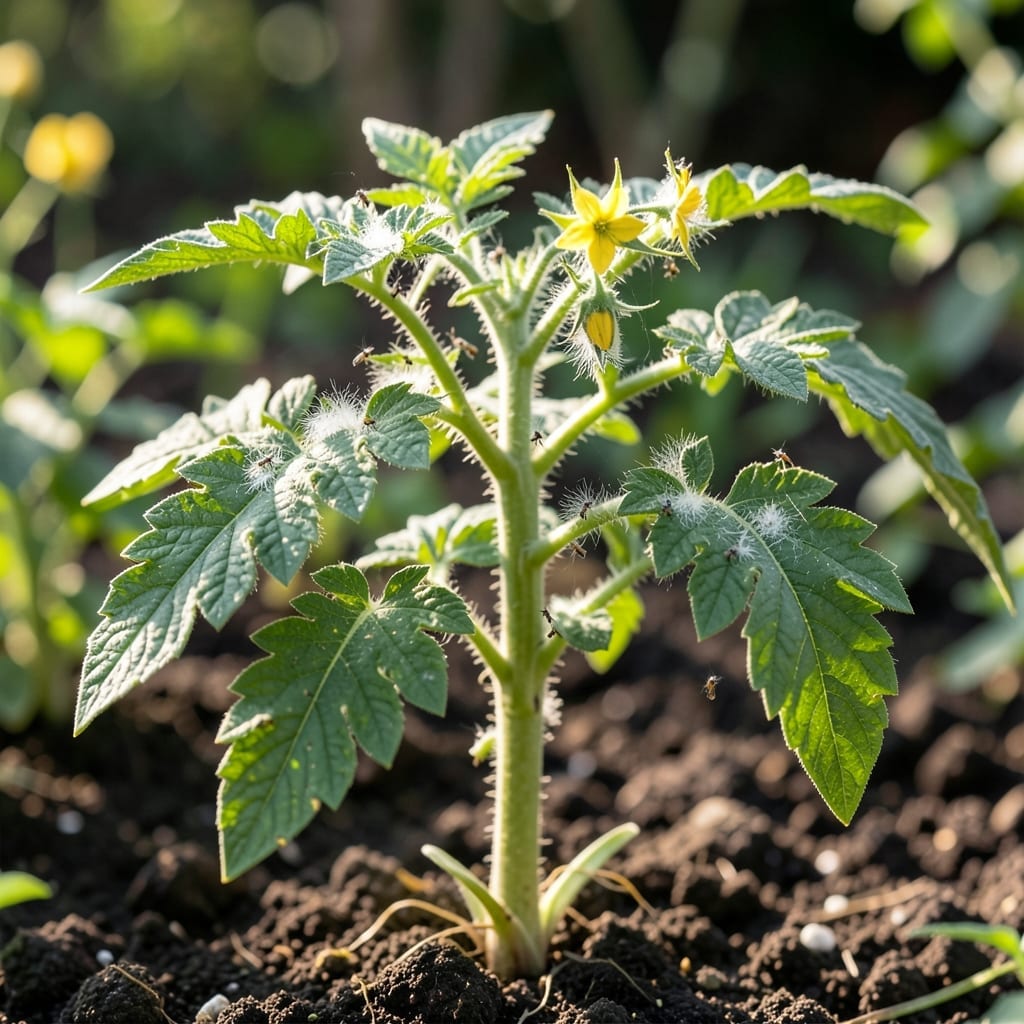
Tiny white fuzz balls on your leaves mean trouble’s here. I spotted these on my tomatoes last summer and knew I had to act fast.
These pests suck plant juices, leaving yellow spots and stunted growth behind. They love the undersides of leaves, where they’re hardest to see. Left alone, they’ll spread to every plant in your garden.
Good news: organic solutions work better than harsh chemicals. A strong blast of water knocks them off, and neem oil stops them from coming back.
Within a week of treatment, your plants will start looking healthier again. Catch them early, and you’ll save your garden from serious damage.
The appearance of white fuzzy flies, often whiteflies or mealbugs, on your plants is usually tied to specific environmental or cultural conditions. Understanding these triggers helps you prevent and address the issue effectively.
Excess moisture in the soil creates an ideal breeding ground for pests like whiteflies. Overwatering leads to soggy roots, which stress the plant and make it more susceptible to infestations. Ensure your pots have drainage holes and water only when the top inch of soil feels dry.
Whiteflies thrive in warm, humid conditions, especially in indoor settings or greenhouses. Temperatures between 70–80°F (21–27°C) with high humidity accelerate their life cycle. Improve airflow with fans and maintain moderate humidity levels to discourage their growth.
Plants growing too closely together limit air circulation, creating pockets of stagnant, humid air that attract pests. Additionally, weak or nutrient-deficient plants are less resistant to infestations. Thin out crowded foliage and ensure your plants receive balanced fertilization.
In outdoor gardens, beneficial insects like ladybugs, lacewings, and parasitic wasps keep whitefly populations in check. Indoor plants lack these natural predators, allowing infestations to spread unchecked. Introduce beneficial insects or use organic sprays like neem oil to restore balance.
Dealing with white fuzzy flies (often whiteflies) in your garden doesn’t have to be a losing battle. Here’s how to tackle the problem head-on with simple, organic solutions.
Whiteflies thrive in damp, stagnant conditions. Fix it: Let the top inch of soil dry out between waterings, and ensure pots have drainage holes. Use a well-draining potting mix to prevent soggy roots. Prevention tip: 💡 Water early in the day so foliage dries quickly, discouraging pests.
Dense plants create perfect hiding spots for whiteflies. Fix it: Thin out crowded areas to improve airflow. Prune affected leaves and dispose of them in sealed bags to break the breeding cycle. Prevention tip: ✨ Space plants properly from the start to reduce humidity buildup.
Without beneficial insects, whitefly populations explode. Fix it: Introduce natural predators like ladybugs, lacewings, or parasitic wasps. Plant companion flowers such as marigolds or alyssum to attract them. Prevention tip: 🎯 Avoid broad-spectrum pesticides that harm helpful bugs.
Small infestations grow fast if ignored. Fix it: At the first sign of white fuzzy flies, spray plants with a neem oil or insecticidal soap solution (1 tbsp soap per quart of water). Apply every 4–5 days until gone. Prevention tip: 🌡️ Inspect the undersides of leaves weekly for early detection.
These pests appear as tiny, 1-2mm white insects with a waxy, fuzzy coating. You’ll often spot them in clusters on the undersides of leaves. They resemble miniature moths when disturbed and fly away in a cloud.
They love tomatoes, peppers, and cucumbers, but also attack ornamentals like poinsettias. Greenhouse plants and indoor houseplants are especially vulnerable due to the stable, warm environment.
Use a neem oil solution every 4-5 days for active infestations. For prevention, apply once every 2 weeks. Always spray in the evening to avoid harming beneficial insects.
They lay eggs that hatch in 5-7 days, so missed eggs cause reinfestation. Combine treatments with removing affected leaves and improving airflow to break their life cycle.