
Beautiful Plants For Your Interior
Beautiful Plants For Your Interior
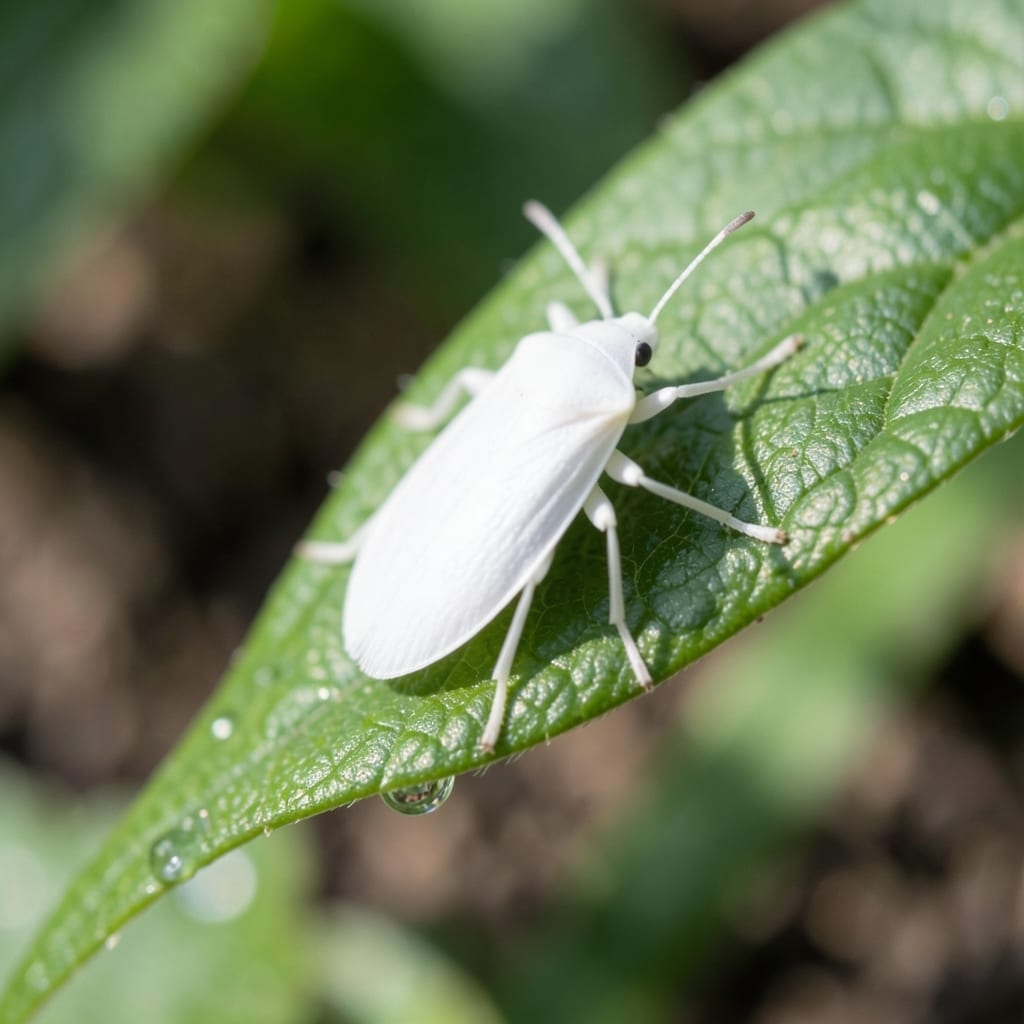
Spotted a white, flat bug on your plants? I’ve seen these pests wipe out entire crops if left unchecked. They’re sneaky, blending into stems and leaves while sucking the life out of your garden.
These invaders multiply fast, leaving behind yellowing leaves and stunted growth. The worst part? They’re tough to spot until the damage is done. Early detection is your best defense against a full-blown infestation.
Good news: you can fight back with simple, targeted solutions. Organic sprays and manual removal work surprisingly well when you catch them early. I’ve saved my roses twice with just soap and water.
Prevention is easier than cure. Regular plant inspections and proper garden hygiene keep these pests from ever taking hold. Let’s protect your garden before it’s too late.
Understanding why white flat bugs appear in your home or garden is the first step toward effective control. These pests, often mealybugs or scale insects, thrive under specific conditions. Below are the most common causes, explained with actionable insights.
White flat bugs prosper in warm, moist climates. Indoor environments with poor ventilation or outdoor areas with high humidity create ideal breeding grounds. Greenhouses, overwatered houseplants, or damp basements are prime targets. Action: Improve airflow with fans or dehumidifiers, and avoid overwatering plants.
Weak or stressed plants emit signals that attract pests. Overcrowding limits air circulation, while nutrient deficiencies or root damage make plants more susceptible. Action: Space plants adequately, prune damaged foliage, and maintain balanced fertilization.
These bugs often hitchhike on new plants, tools, or even clothing. Buying infested plants or using contaminated soil spreads them rapidly. Action: Inspect new plants thoroughly, quarantine them for 2–3 weeks, and sterilize gardening tools with rubbing alcohol.
Leaves, mulch, or decaying wood provide shelter and food for white flat bugs. They lay eggs in crevices or under bark, making them hard to detect. Action: Regularly clear debris, and use sticky traps to monitor and reduce populations.
Dealing with these pests starts with identifying their entry points and habits. Below are targeted solutions for common causes, along with prevention tips to keep them from returning.
These bugs often sneak in through tiny openings. Seal all cracks, gaps, and crevices in walls, windows, and door frames using caulk or weatherstripping. Pay special attention to areas around pipes, vents, and utility lines. For a quick fix, apply diatomaceous earth in these gaps—it’s a natural powder that dehydrates insects.
White flat bugs thrive in cluttered, undisturbed areas like basements, attics, or behind furniture. Declutter regularly and vacuum hidden spaces to remove eggs and adults. Use a vacuum with a HEPA filter to ensure bugs and debris are trapped and not released back into the air.
Store food in airtight containers and fix leaky pipes or faucets to eliminate moisture. Wipe down counters and shelves daily, and avoid leaving pet food out overnight. For persistent moisture issues, use a dehumidifier in damp areas like bathrooms or basements.
If bugs are entering from outside, treat the perimeter of your home with insecticidal soap or neem oil. Focus on entry points like door thresholds, window sills, and foundation cracks. For severe cases, consider hiring a professional pest control service.
Prevention Tips:
They appear as small, oval, flat white insects often covered in a waxy or cottony coating. Mealybugs look like tiny cotton balls, while scale insects resemble small shells stuck to stems.
Look for yellowing leaves, stunted growth, or sticky residue (honeydew) on surfaces. Check undersides of leaves and stem joints where they commonly hide.
Yes! A 1:10 ratio of rubbing alcohol to water sprayed directly on pests works well. Neem oil and insecticidal soap are also effective organic treatments.
They often return due to hidden eggs or untreated neighboring plants. Isolate new plants for 2-3 weeks and treat all affected areas simultaneously.