
Beautiful Plants For Your Interior
Beautiful Plants For Your Interior
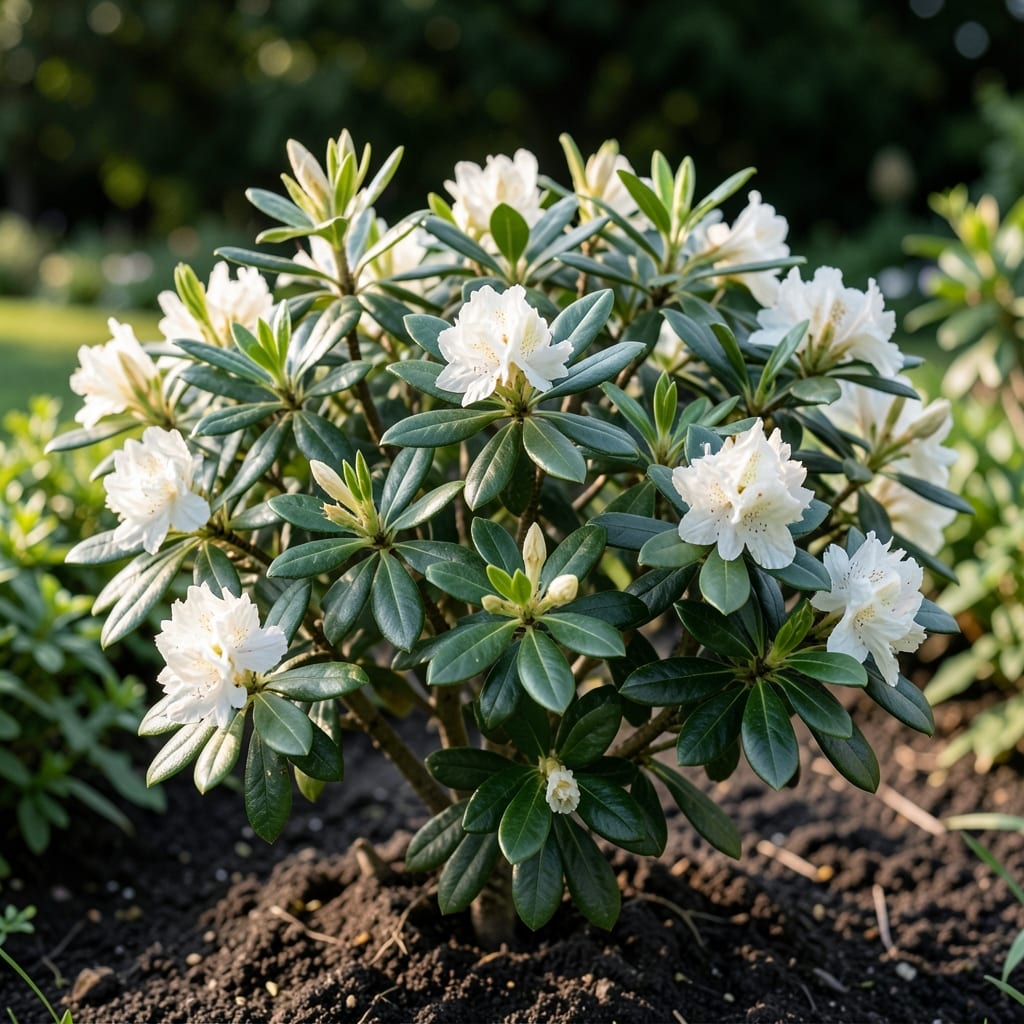
White evergreen azaleas bring year-round structure plus a spring explosion of pure white blooms. I planted my first batch along the foundation, and they’ve become the backbone of my landscape.
These plants thrive in partial shade with acidic, well-draining soil. Keep them consistently moist but never soggy, and you’ll get glossy foliage that stays vibrant through winter, with flowers that brighten up the garden when everything else is still waking up.
📚 In This Guide
These beautiful shrubs reward you with glossy leaves and spring blooms when given the right conditions.
Select a spot with partial shade, especially protection from harsh afternoon sun. Morning sunlight with afternoon shade provides the perfect balance for healthy growth and abundant blooms. I’ve found east-facing locations work particularly well.
Avoid low-lying areas where cold air settles, as azaleas are sensitive to frost. The soil should be well-draining and rich in organic matter. If your soil is heavy clay, amend it with compost before planting to improve drainage and fertility.
Dig a hole that’s twice as wide and just as deep as the root ball. Gently loosen the roots if they’re circling the container, then place the plant so the top of the root ball sits 1-2 inches above the surrounding soil level—this prevents water from pooling at the base.
Space multiple plants 3-5 feet apart to allow for mature spread. Backfill with native soil, tamp gently to remove air pockets, and create a 2-3 inch watering ring around the base to help direct moisture to the roots. Water thoroughly after planting to settle the soil.
Keep the soil consistently moist but not waterlogged, especially during the first growing season. Azaleas have shallow root systems, so they dry out quickly. I water deeply 2-3 times per week in the absence of rain, checking that the top 1-2 inches of soil stays evenly damp.
Apply a 2-3 inch layer of organic mulch like pine bark or wood chips around the base, keeping it 3 inches away from the trunk to prevent rot. Mulching helps retain moisture, regulates soil temperature, and suppresses weeds that compete for nutrients.
Feed your azaleas with a fertilizer formulated for acid-loving plants in early spring, just after blooming. I use a slow-release product and apply it according to package instructions, usually once in spring and once in early summer. Avoid fertilizing after midsummer, as this can stimulate late growth that’s vulnerable to winter damage.
Prune immediately after flowering if shaping is needed, but avoid heavy pruning—azaleas set next year’s buds soon after blooming. Remove only dead or diseased wood, and shape lightly to maintain the plant’s natural form. Real talk: over-pruning is the quickest way to sacrifice next year’s blooms.
In late fall, after the first light frost but before hard freezes, water deeply to ensure the plant enters winter well-hydrated. Azaleas are evergreen, so they continue to lose moisture through their leaves even in cold weather. I’ve learned that winter desiccation is a common killer of young plants.
In exposed locations, create a windbreak or wrap the plant in burlap if extreme cold is forecast. Apply an extra 1-2 inches of mulch around the base after the ground freezes to insulate the roots. Remove any protective coverings in early spring to prevent overheating as temperatures rise.
These practical insights will help you avoid common pitfalls with these beautiful shrubs.
Location Wisdom: In Step 1, that partial shade is non-negotiable. I learned the hard way that harsh afternoon sun scorch the leaves, while morning sun with afternoon protection keeps foliage vibrant. East-facing spots work best for consistent, gentle light exposure.
Planting Depth Secret: When following Step 2, don’t bury the root ball too deep. Positioning it 1-2 inches above soil level prevents water pooling that leads to root rot. This small elevation makes a surprising difference in plant health and longevity.
Watering Technique: Azaleas’ shallow roots dry out fast. In Step 3, when you’re checking those top 1-2 inches of soil, remember that deep watering 2-3 times weekly beats frequent shallow watering. The goal is consistent moisture without waterlogging.
Winter Protection Tip: For Step 5, that extra 1-2 inches of mulch after ground freeze is your plant’s winter coat. Without it, the roots are vulnerable to temperature swings. I’ve saved many azaleas from winter desiccation with this simple layer of insulation.
Water deeply once or twice a week, depending on rainfall. Keep the soil moist but not soggy—azaleas love consistent hydration, especially in their first growing season. Mulching helps retain moisture!
Early spring or fall is ideal. This gives the roots time to establish before extreme temperatures. Avoid planting in summer heat or winter freezes for the best results.
Yellowing leaves often signal poor drainage, nutrient deficiency, or incorrect soil pH. Test your soil (aim for 4.5–6.0 pH) and ensure it’s well-draining. Iron deficiency is a common culprit!
Yes! Choose a large container with drainage holes and use acidic, well-draining potting mix. Keep the soil consistently moist and provide partial shade for best growth.