
Beautiful Plants For Your Interior
Beautiful Plants For Your Interior
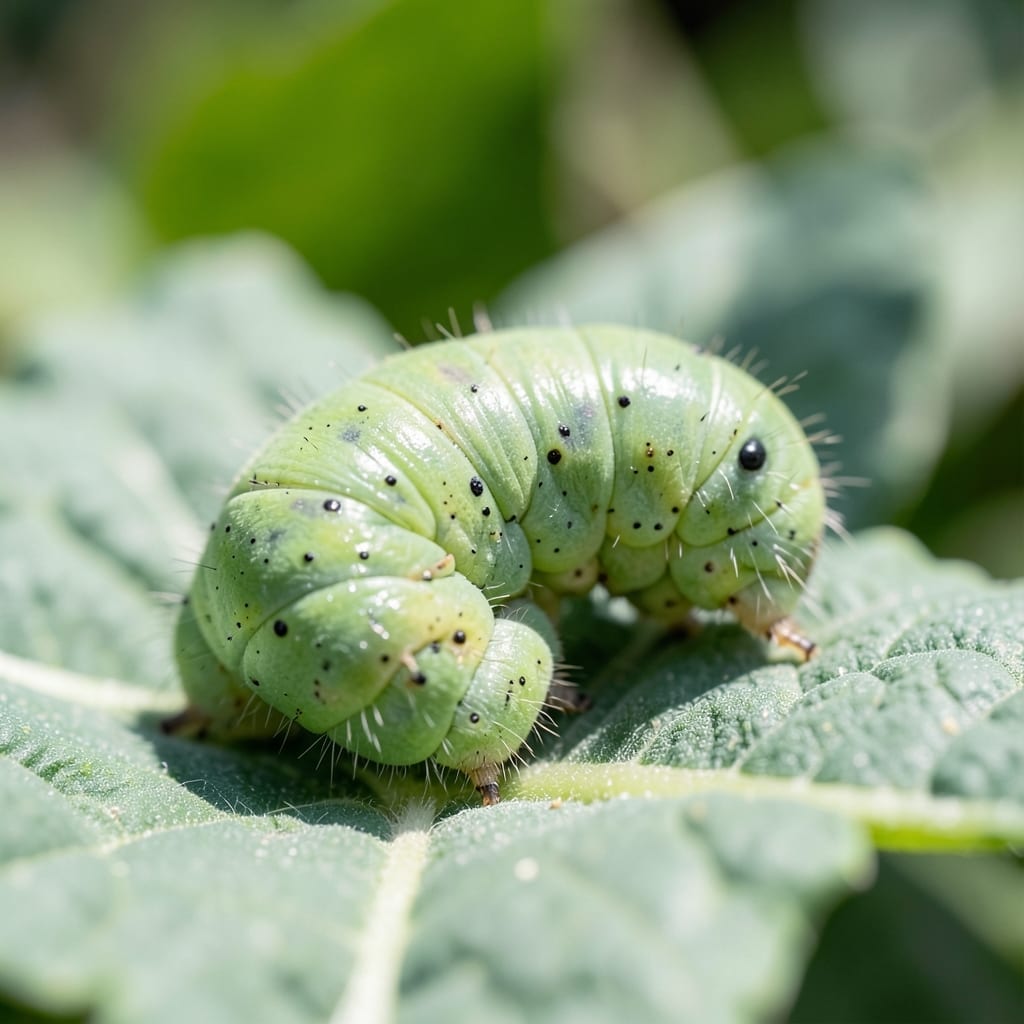
I spotted them too late last season—tiny green worms decimating my brassicas overnight. White cabbage butterfly larvae start small but multiply fast, turning healthy leaves into lace in days.
Here’s the thing—they’re sneaky. Check undersides of leaves daily for yellow eggs or dark droppings. Handpick them early, before they grow into 1.5-inch green caterpillars with that telltale yellow stripe.
The organic approach works best: floating row covers for prevention, neem oil for smaller infestations. Companion planting with thyme or mint confuses the adults laying eggs.
You’ll save your cabbage, kale, and broccoli without harsh chemicals. The key is catching them before they hatch and spread.
The presence of cabbage white butterfly larvae (often called cabbageworms) in your garden is no accident. These pests thrive under specific conditions, and understanding the root causes helps prevent their damaging cycles. Below are the primary reasons these larvae infest cabbage and other brassicas.
White cabbage butterflies (Pieris rapae) are biologically drawn to plants in the Brassicaceae family, including cabbage, kale, and broccoli. These plants emit chemical compounds (glucosinolates) that signal ideal egg-laying sites. Adult butterflies detect these cues from miles away, leading to targeted infestations.
Larval outbreaks peak in late spring to early summer when temperatures range between 60–80°F (15–27°C). Warmth accelerates egg hatching (within 3–7 days) and larval growth. Drought-stressed plants also produce weaker defenses, making them more vulnerable to feeding.
In monoculture gardens or areas with heavy pesticide use, natural predators like parasitic wasps (e.g., Cotesia glomerata) or ground beetles are absent. Without these checks, cabbageworm populations explode unchecked. Encouraging biodiversity (e.g., planting nectar-rich flowers) restores this balance.
Pupae overwinter in garden debris, soil, or plant residues. Failing to clear these after harvest provides safe havens for the next generation. Rototilling in late fall can expose pupae to predators and cold, reducing survival rates.
Dealing with cabbage butterfly larvae doesn’t have to mean reaching for harsh chemicals. Here’s how to tackle the problem organically and keep your garden thriving.
Check the undersides of leaves daily, especially in the morning when larvae are less active. Wear gloves and drop them into a bucket of soapy water to eliminate them. Prevention tip: Inspect new plants before introducing them to your garden to avoid bringing in eggs or larvae.
Encourage beneficial insects like parasitic wasps, ladybugs, and lacewings, which feed on butterfly eggs and larvae. Plant companion flowers such as dill, fennel, or yarrow to attract these helpers. Prevention tip: Avoid broad-spectrum pesticides that can harm these natural allies.
Spray neem oil or Bacillus thuringiensis (Bt) on affected plants, focusing on the undersides of leaves. Bt is highly effective against caterpillars but harmless to other wildlife. Prevention tip: Reapply after rain and rotate sprays to prevent resistance.
Cover young plants with floating row covers to block adult butterflies from laying eggs. Secure the edges with soil or weights to keep pests out. Prevention tip: Remove covers during flowering if pollination is needed, but monitor plants closely afterward.
Avoid planting brassicas (like cabbage, kale, or broccoli) in the same spot year after year. This disrupts the life cycle of pests lingering in the soil. Prevention tip: Solarize soil in infested areas by covering it with clear plastic for 4-6 weeks to kill overwintering pests.
💡 Pro Tip: Combine these methods for the best results. For example, use row covers early in the season and switch to handpicking or sprays if larvae appear later.
Look for tiny yellow eggs on leaf undersides, then 1.5-inch green caterpillars with yellow stripes. Check daily in late spring when they’re most active.
All brassicas—cabbage, kale, broccoli, and Brussels sprouts—are prime targets. Adult butterflies detect these plants from miles away.
It helps for small infestations, but combine it with row covers or Bt spray for larger outbreaks. Consistency is key to breaking their life cycle.
Yes! Use floating row covers early, plant companion flowers like dill, and encourage natural predators. These methods work together effectively.