
Beautiful Plants For Your Interior
Beautiful Plants For Your Interior
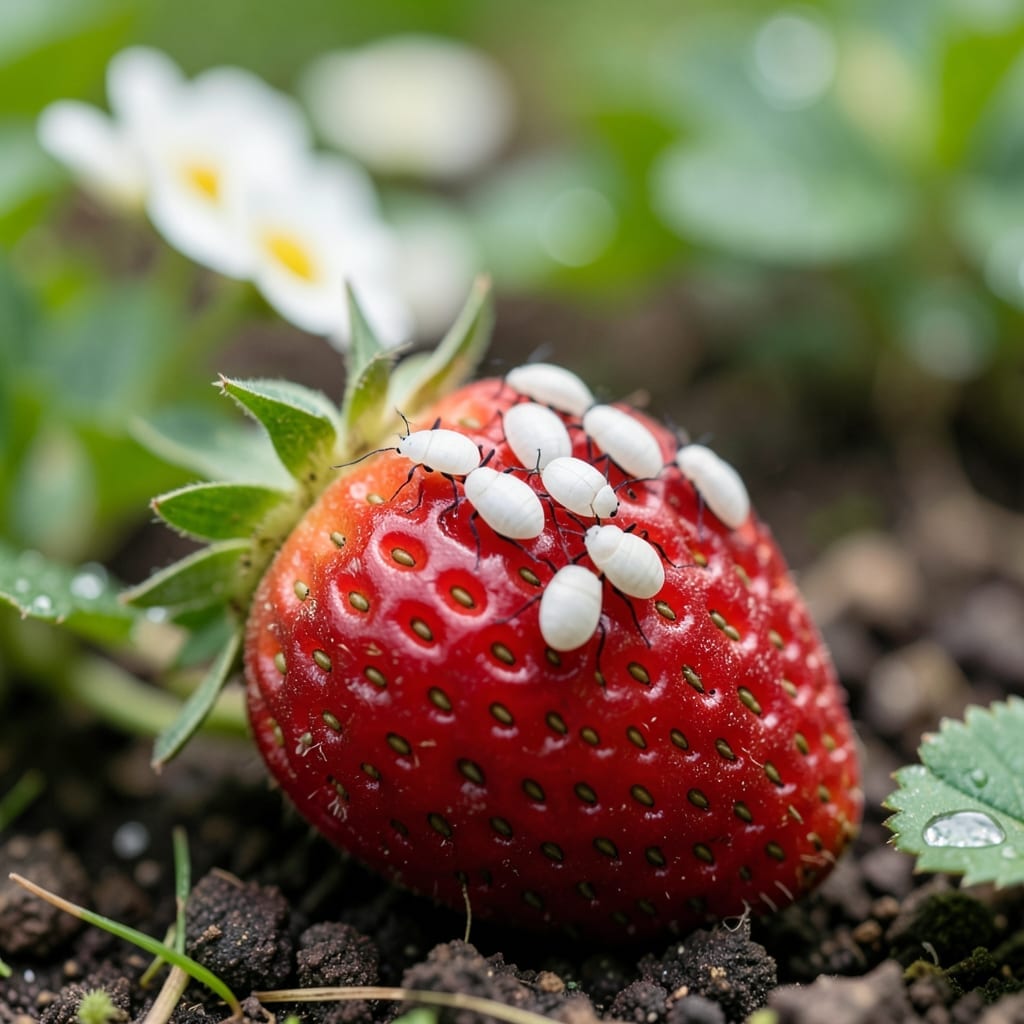
Tiny white bugs ruining your strawberry harvest? I’ve been there—one morning they’re gone, the next they’re covering the undersides of leaves like some kind of invasive confetti.
These pests (usually aphids or spider mites) suck sap from plants, stunting growth and spreading disease. Left unchecked, they’ll multiply faster than you can pick berries. The good news: you can fight back without chemicals that make your fruit unsafe.
I use a 3-step organic approach that knocks them out in 48 hours while keeping my strawberries edible. It starts with a strong blast of water and ends with beneficial insects doing the cleanup work.
Works for container plants, raised beds, or full garden rows. Here’s exactly how to reclaim your berry patch without the worry.
White bugs on strawberries often appear due to environmental conditions or pests that thrive in garden settings. Understanding the root causes helps you prevent and address infestations effectively.
Excess moisture creates ideal breeding grounds for pests like whiteflies and aphids. Overwatered soil or stagnant water around plants encourages these bugs to multiply. Ensure your strawberries are planted in well-draining soil and avoid overwatering to deter them.
A garden lacking beneficial insects (e.g., ladybugs, lacewings) allows white bug populations to explode. These predators naturally control pest numbers. Introduce or attract them by planting companion flowers like marigolds or alyssum.
Soil rich in nitrogen but low in other nutrients can weaken strawberry plants, making them more susceptible to pests. Conduct a soil test and balance nutrients to strengthen plant resilience.
Using contaminated mulch, compost, or starter plants can introduce white bugs. Always inspect new plants and materials for signs of pests before adding them to your garden.
Dealing with white bugs on your strawberries doesn’t have to mean reaching for harsh chemicals. Here’s how to tackle the most common causes with safe, organic solutions—plus tips to keep them from coming back.
If tiny, soft-bodied aphids are clustering on new growth or flower buds, a strong spray of water from a hose can dislodge them. For stubborn infestations, mix 1 teaspoon of mild liquid soap with 1 quart of water and spray directly on the bugs. Repeat every few days until they’re gone.
Prevention tip: 💡 Encourage natural predators like ladybugs by planting companion flowers such as marigolds or yarrow nearby.
These minuscule pests thrive in dry conditions. Combat them by misting your plants daily or placing a tray of water near the strawberries to increase humidity. Neem oil (mixed with water and a drop of soap) can also smother mites—apply in the evening to avoid harming beneficial insects.
Prevention tip: 🌡️ Keep strawberry beds mulched to retain moisture and deter mites from settling in.
Mealybugs look like cottony patches on stems and leaves. Dab them with a cotton swab dipped in rubbing alcohol to kill them on contact. For larger outbreaks, set up yellow sticky traps to catch adults before they lay eggs.
Prevention tip: ✨ Prune and remove heavily infested leaves or runners to prevent spread.
Clear away fallen leaves, overripe fruit, and garden debris where bugs can hide. Rotate strawberry plants every 3–4 years to disrupt pest life cycles. Always water the soil, not the leaves, to reduce humidity that attracts some pests.
No, they’re not toxic but it’s best to wash them off thoroughly. A quick soak in saltwater (1 teaspoon salt per quart) helps remove any lingering pests before eating.
Encourage natural predators like ladybugs and maintain clean garden beds. Plant companion flowers such as marigolds to deter pests naturally.
Avoid chemicals on edible plants. Organic solutions like neem oil or insecticidal soap work safely when applied in the evening.