
Beautiful Plants For Your Interior
Beautiful Plants For Your Interior
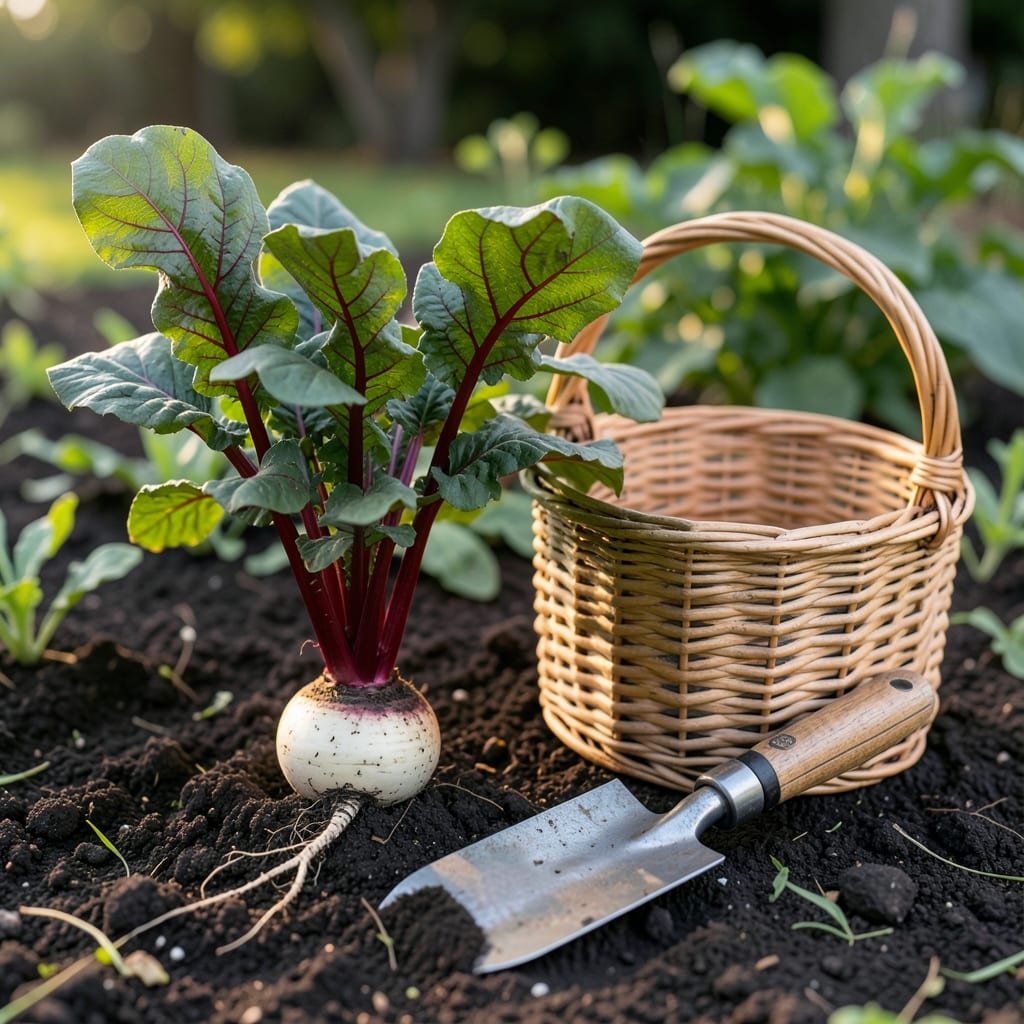
I first tried white beets on a whim after seeing their pale roots at a farmers market. They taste sweeter than red varieties, with no earthy aftertaste, and they don’t bleed color when cooked.
These cold-hardy plants thrive in spring and fall and can even overwinter in mild climates. You’ll get tender, mild-flavored roots in about 60 days with minimal effort.
📚 In This Guide
Here’s the method I use to cultivate this cold-hardy crop for harvests that stretch from fall through early spring.
Choose a location with full sun exposure and well-draining soil. White beets tolerate partial shade but thrive with at least 6 hours of direct sunlight daily. I always test soil drainage by digging a 1-foot deep hole and filling it with water—if it drains within 2-3 hours, the site is suitable.
Work the soil to a depth of 12-15 inches, removing rocks and debris that could deform the roots. Add a 2-inch layer of aged compost to improve fertility. The ideal pH range is 6.2-7.0—test and amend if necessary to prevent nutrient lockout.
Direct sow seeds ½ inch deep and 2-3 inches apart in rows spaced 12-18 inches apart. Each beet seed is actually a cluster of 2-4 seeds, so you’ll need to thin later. I plant in succession every 3-4 weeks until midsummer for continuous harvests.
Firm the soil gently after planting to ensure good seed-to-soil contact. Water thoroughly but avoid creating a crust on the surface, which can hinder germination. Expect sprouts in 7-14 days when soil temperature is between 50-85°F.
Once seedlings reach 2-3 inches tall, thin to 4-6 inches apart to allow proper root development. Use scissors to snip unwanted seedlings at soil level rather than pulling, which disturbs the roots of remaining plants. The thinnings are edible and make a great addition to salads.
Keep soil consistently moist but not waterlogged. I water deeply 1-2 times weekly, depending on rainfall, ensuring the top 1 inch of soil stays evenly damp. Fluctuating moisture levels can cause tough, woody roots.
Apply a 2-3 inch layer of organic mulch, like straw or shredded leaves, around plants when they reach 4-6 inches tall. This conserves moisture, suppresses weeds, and regulates soil temperature. For winter harvests, add a thicker 4-6 inch layer after the first frost to insulate the roots.
White beets are cold-hardy and can survive temperatures down to 20°F with protection. I use row covers or old blankets on nights when temperatures drop below 25°F to extend the harvest season well into winter.
Begin harvesting when roots reach 1-3 inches in diameter, typically 50-70 days after sowing. Larger beets can become tough, so I check size by gently brushing away soil at the base of the plant. Use a garden fork to loosen the soil before pulling to avoid breaking the roots.
For winter harvests, leave roots in the ground and cover with a thick mulch layer. Harvest as needed, but avoid leaving them in frozen soil for more than a few days. Freshly harvested white beets have the best flavor and texture when used within 2-3 weeks.
Small adjustments make the difference between misshapen roots and a bountiful harvest.
Soil Preparation: Work the soil to that full 12-15 inches deep as specified in Step 1—shallow tilling leads to deformed roots. Remove every rock and debris you find, as even small obstacles can cause the beets to split or grow around them. The 2-inch layer of aged compost isn’t just for fertility; it also improves drainage which is critical for uniform growth.
Planting Depth Precision: That ½ inch depth in Step 2 is non-negotiable. Planting deeper delays germination, while shallower planting exposes seeds to drying out. I use a ruler to check my first few plantings until the depth becomes instinctive. Also, resist the urge to overcrowd—stick to the 2-3 inches apart spacing to prevent competition.
Thinning Technique: When seedlings hit 2-3 inches tall in Step 3, thinning to 4-6 inches apart feels counterintuitive but is essential. Use those sharp scissors to snip at soil level as instructed—pulling disturbs the delicate root systems of the keepers. And don’t waste those thinnings! They’re tender and perfect for salads.
Winter Protection Timing: Don’t wait for the first hard freeze to add that 4-6 inch mulch layer mentioned in Step 4. Apply it immediately after the first light frost to give plants time to acclimate. And when temperatures dip below 25°F, those row covers or blankets are your best defense against loss—they can survive down to 20°F with this protection.
Yes! White beets are cold-hardy and can tolerate light frosts, making them ideal for year-round growing in many climates. Mulching can help protect them during extreme cold.
Most white beet varieties mature in 50-70 days. Harvest them when roots are 1-3 inches in diameter for the best texture and flavor.
Try parsnips, rutabagas, or turnips for similar cold-hardy, root-vegetable qualities. Each offers a slightly different flavor but thrives in comparable conditions.
Over-mature beets or poor soil conditions can cause woodiness or bitterness. Harvest on time and ensure well-draining, fertile soil for the best results.
Absolutely! Choose a deep container (at least 10-12 inches) and use loose, well-draining soil. Keep the soil consistently moist for optimal growth.