
Beautiful Plants For Your Interior
Beautiful Plants For Your Interior
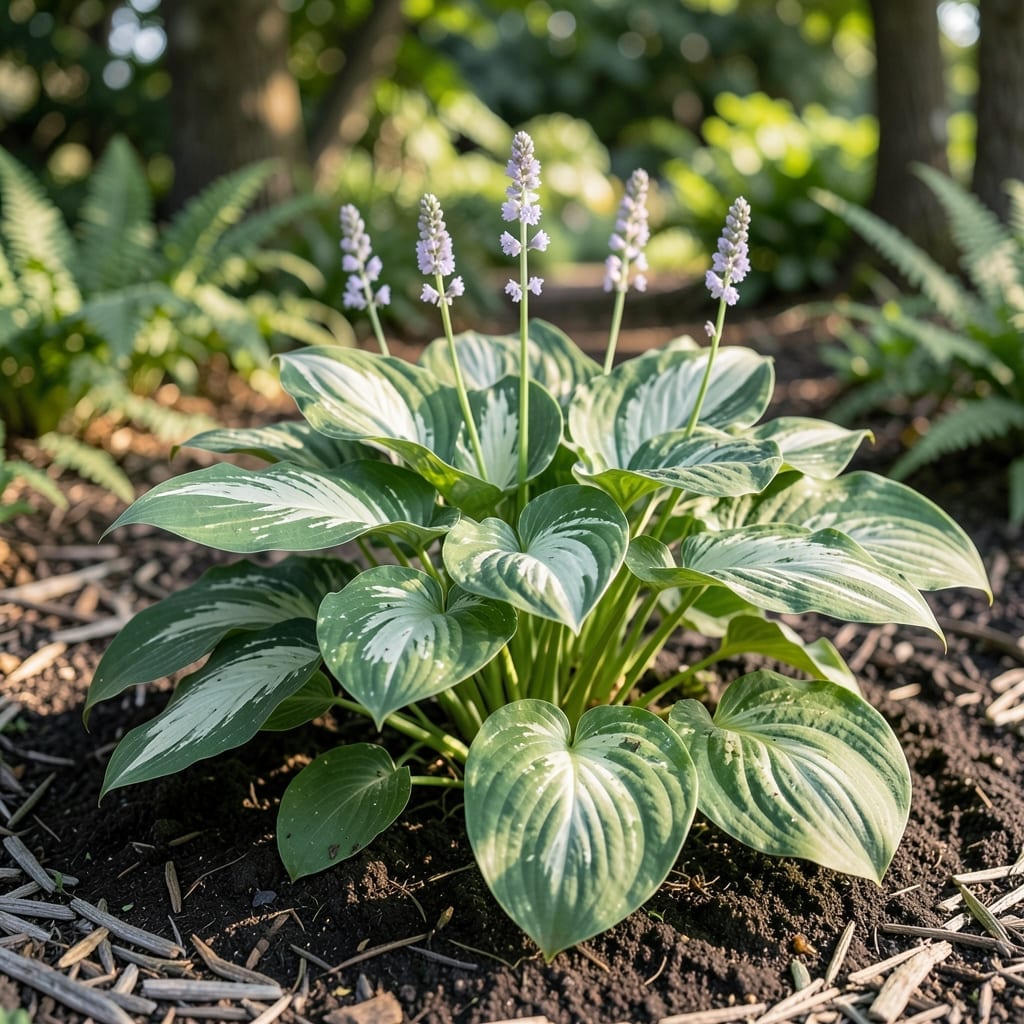
Transforming shady spots in your garden doesn’t have to be a challenge. With the right plants, even the dimmest corners can burst with life and color.
I’ve seen too many gardens where bare patches under trees or along north-facing walls go to waste. But with the right ground cover, those areas can become the most stunning parts of your landscape.
From the lush foliage of 🌿 Hostas to the delicate fronds of ferns, there are plenty of options that thrive without direct sunlight. These plants don’t just survive in shade—they make it look intentional and beautiful.
Discover how to turn those overlooked spaces into a vibrant, low-maintenance oasis that adds depth and texture to your garden all year long.
Finding the perfect shaded ground cover can transform those dim garden corners into vibrant, thriving spaces. I’ve tested countless varieties, and the best options thrive with minimal sunlight while adding texture and color.
Whether your shade is dappled, deep, or partial, there’s a plant to match. Each has unique needs for soil, moisture, and growth habit, so choosing wisely ensures success. 🌿
| Plant | Ideal Soil | Moisture Needs | Growth Habit |
|---|---|---|---|
| Hostas | Rich, well-draining | Consistent moisture | Clumping foliage |
| Ferns | Humus-rich, acidic | Moist, not soggy | Spreading fronds |
| Ajuga | Loamy, well-drained | Moderate water | Creeping mat |
| Pachysandra | Organic, acidic | Even moisture | Dense carpet |
| Liriope | Adaptable, fertile | Drought-tolerant | Grass-like clumps |
Hostas excel in partial to full shade with their bold foliage, while ferns add delicate texture. Both prefer moist, organic-rich soil for optimal growth.
Ajuga spreads quickly, forming a purple-green carpet in shady spots. It thrives in well-draining soil and tolerates moderate drought once established. ✂️
Pachysandra is my go-to for deep shade under trees. Its evergreen leaves provide year-round coverage, and it adapts well to acidic soils.
Liriope offers a grass-like appearance with purple spikes in summer. It handles dry shade better than most, making it ideal for low-maintenance gardens.
For dry shade, Liriope and Ajuga are top picks. In moist shade, ferns and hostas shine with lush, vibrant growth.
Always test your soil before planting. Amending with compost improves drainage and fertility, giving your shaded ground cover the best start possible. 🌱
Planting shade-loving ground covers starts with soil preparation. I always loosen the soil to 12 inches deep and mix in compost for better drainage and nutrients. This step ensures roots establish quickly in shaded spots. 🌱
When planting, I space individual plants based on their mature spread. For example, ajuga needs 6-12 inches between plants, while pachysandra thrives at 12-18 inches apart. Proper spacing prevents overcrowding as they fill in.
For watering, I stick to a weekly deep soak during the first month. After establishment, most shade ground covers need 1 inch of water per week, including rainfall. Always water in the early morning to prevent disease. 💧
Maintenance is minimal but important. I prune back overgrown areas in early spring to encourage fresh growth. For evergreen varieties like creeping juniper, a light trim keeps them tidy year-round.
A 2-inch layer of mulch helps retain moisture and keeps roots cool. I use shredded bark or pine straw, which also adds a natural look. Avoid heavy mulches that can smother delicate ground covers. ✂️
Finally, I monitor for pests like slugs, which love shade. Organic slug baits or copper tape barriers work well. With these steps, your shaded ground cover will thrive for years with minimal effort. 🌿