
Beautiful Plants For Your Interior
Beautiful Plants For Your Interior
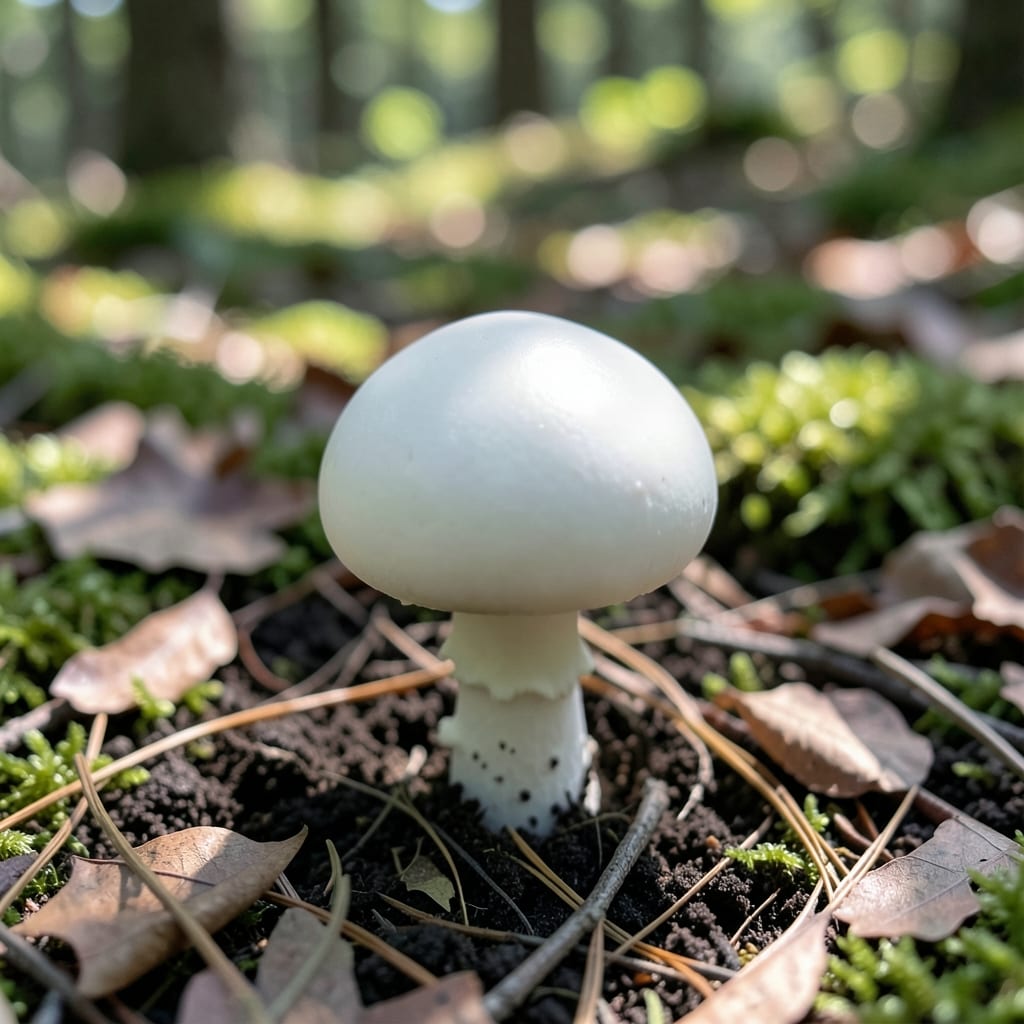
White puffballs appearing overnight in your garden soil can be alarming. I first spotted them last spring after a week of heavy rain, looking like tiny marshmallows scattered across my flower beds.
These fungal growths aren’t harmful to plants directly, but they signal excess organic matter and moisture issues. The good news is they’re easier to prevent than most garden problems—better drainage and less wood mulch usually do the trick.
You’ll recognize them by their pure white color and spongy texture. When mature, they release spores that look like smoke when disturbed. Removal is simple: just scoop them out with a trowel.
Most common in wooded areas or gardens with lots of decomposing material. Here’s how to keep them from returning next season.
White ball fungus (often caused by Sclerotium rolfsii or similar pathogens) thrives under specific environmental and cultural conditions. Below are the primary causes, explained with actionable insights to help you prevent its spread.
The fungus proliferates in temperatures between 80–90°F (27–32°C) with high humidity. Warm, moist soil—common in poorly drained gardens or overwatered beds—creates the perfect breeding ground. Action: Improve airflow and avoid overhead watering to reduce surface moisture.
Decaying plant matter (leaves, stems, or mulch) provides nutrients for fungal growth. Sclerotium rolfsii feeds on cellulose, turning debris into a launchpad for infection. Action: Remove plant residue promptly and use clean, sterile mulch.
The pathogen persists in soil for years, hitching rides on dirty gardening tools, shoes, or infected plant material. Action: Sterilize tools with 10% bleach solution or heat, and rotate crops to disrupt fungal life cycles.
Dense foliage traps moisture and limits air circulation, accelerating spore germination. Action: Space plants according to guidelines and prune excess growth to enhance ventilation.
Waterlogged soil suffocates roots and invites fungal activity. Compacted or clay-heavy soils are especially vulnerable. Action: Amend soil with compost or sand to improve drainage and prevent standing water.
Dealing with this issue in your garden or lawn? Here’s how to tackle it effectively with practical, organic solutions.
If excess moisture is the culprit, start by reducing watering frequency and ensuring your soil drains well. Mix in compost or sand to loosen heavy soil, and avoid watering in the late afternoon or evening. Prevention tip: 💡 Use a moisture meter to water only when necessary, and consider raised beds for better drainage.
Crowded plants trap humidity, creating a perfect environment for fungal growth. Space out your plants to allow airflow, and prune dense foliage to let light and air reach the soil. Prevention tip: 🌬️ Plant in staggered rows rather than tight clusters, and regularly remove weeds that can block circulation.
If the soil is contaminated, remove the top layer and replace it with fresh, sterile soil. For a natural fix, apply neem cake or a baking soda solution (1 tbsp baking soda + 1 gallon of water + a few drops of soap) to affected areas. Prevention tip: ✨ Rotate crops annually to prevent soil-borne fungi from taking hold.
Fallen leaves, dead plants, and other organic matter can harbor spores. Rake and remove debris from your garden or lawn weekly, and dispose of it in the trash (not compost). Prevention tip: 🎯 Mulch with cedar chips or straw, which have natural antifungal properties.
With these steps, you can restore balance to your garden and keep it healthy long-term!
Yes, they’re not toxic to humans, but avoid inhaling spores if you disturb them. Wear gloves when handling and wash your hands afterward.
They often appear near decaying wood or mulch but don’t directly harm healthy plants. Vegetables like tomatoes and peppers may show stress if soil conditions worsen.
No, composting may spread spores. Seal them in a bag and dispose of them with household trash to prevent regrowth.
Under ideal conditions (warm, moist soil), new growths can appear within 2-3 days. Regular garden maintenance slows their expansion.