
Beautiful Plants For Your Interior
Beautiful Plants For Your Interior
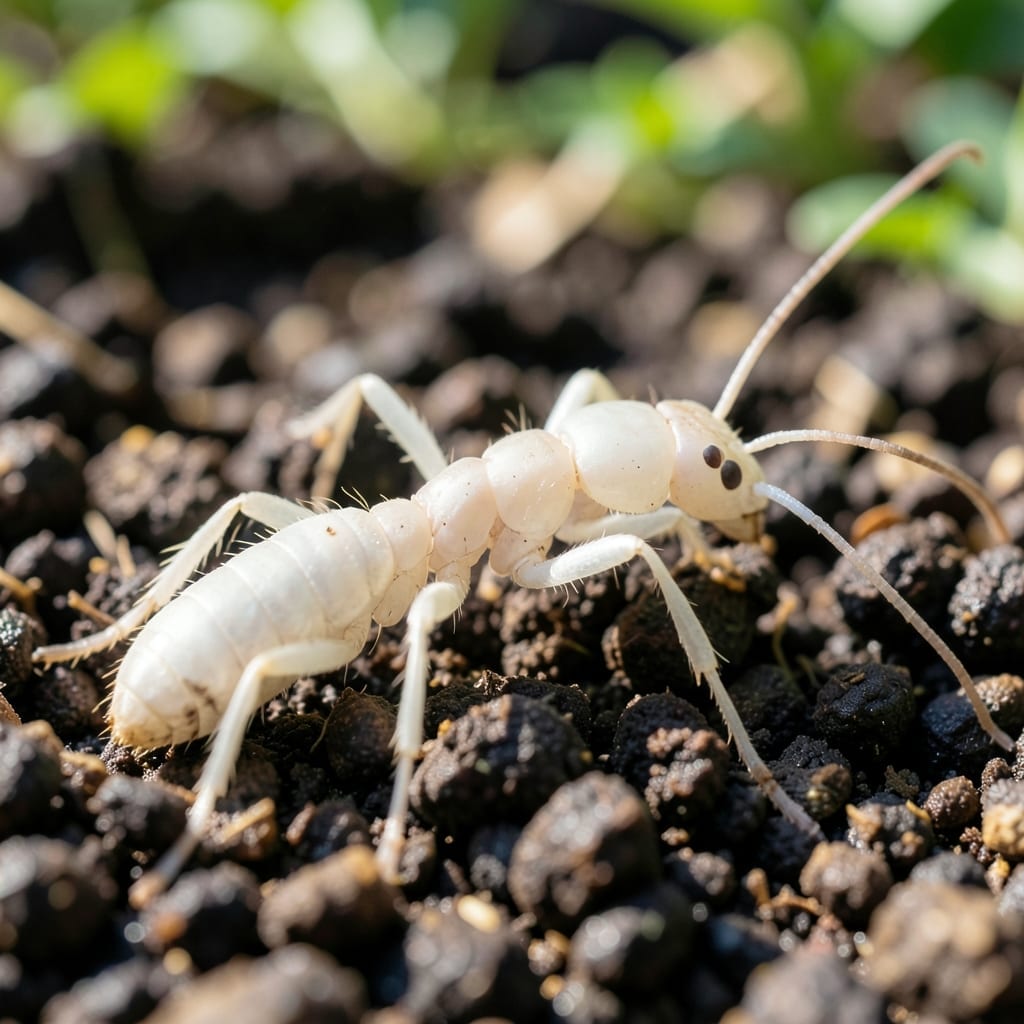
Spotted tiny white bugs in your garden soil? I found them in my raised beds last spring, and they weren’t just annoying—they were eating my plants from the roots up.
These aren’t ants at all—they’re termites, and they thrive in damp, wood-rich soil. Left unchecked, they’ll turn healthy roots into a buffet, leaving wilting leaves and stunted growth in their wake.
Here’s the thing—you can stop them without chemicals. A few simple tweaks to moisture, mulch, and plant choices can break their life cycle for good.
I’ll walk you through the signs, the fixes, and how to keep them from coming back.
White ants, or termites, thrive in soil due to a combination of environmental and biological factors. Understanding these triggers helps you tackle the issue at its root. Below are the primary causes, explained in simple, actionable terms.
Termites are drawn to damp soil because it softens wood and plant matter, making it easier for them to feed. Poor drainage, overwatering, or leaky irrigation systems create the perfect moist environment. Fix: Improve drainage with sand or gravel, and avoid overwatering plants.
Decaying leaves, wood debris, or mulch in the soil provide a steady food source for termites. These materials contain cellulose, their primary diet. Fix: Regularly clear dead plant material and use termite-resistant mulch like cedar or cypress.
When wooden structures (fences, decks, or tree stumps) touch the soil, termites gain direct access to both food and shelter. Fix: Elevate wood structures with concrete bases and remove old stumps or roots.
Termites flourish in warm, humid conditions, which accelerate their colony growth. Tropical and subtropical regions are especially vulnerable. Fix: While you can’t change the climate, reducing moisture and organic debris limits their survival.
If neighboring properties or wild areas have termite colonies, your soil may become a new target. Termites expand their territory in search of food. Fix: Install termite barriers or bait stations to intercept them before they reach your garden.
White ants (termites) in soil can quickly harm your plants, but targeted fixes can restore balance. Below, we map common causes to practical solutions, plus prevention tips to keep your garden thriving.
Termites love damp soil. Fix this by:
💡 Pro tip: Use a moisture meter to monitor soil hydration levels.
Termites feed on rotting wood. Take these steps:
For active termite colonies:
🎯 Pro tip: Treat soil in the evening when termites are most active.
Stop future infestations with these habits:
Yes, they are termites. The term “white ants” is a misnomer—these pests are termites in their worker or soldier stage. They thrive in soil, feeding on cellulose from wood and plant matter.
Look for mud-like tubes on plant stems or soil, wilting leaves, or hollow-sounding wood near the base. Roots may appear chewed or damaged. Early detection helps prevent severe harm.
Sprinkle diatomaceous earth or apply beneficial nematodes to the soil. These natural solutions dehydrate or kill termites without harsh chemicals.
If left unchecked, termites can migrate from soil to nearby wood. Keep firewood elevated and maintain a 12-inch barrier of gravel or concrete around foundations.