
Beautiful Plants For Your Interior
Beautiful Plants For Your Interior
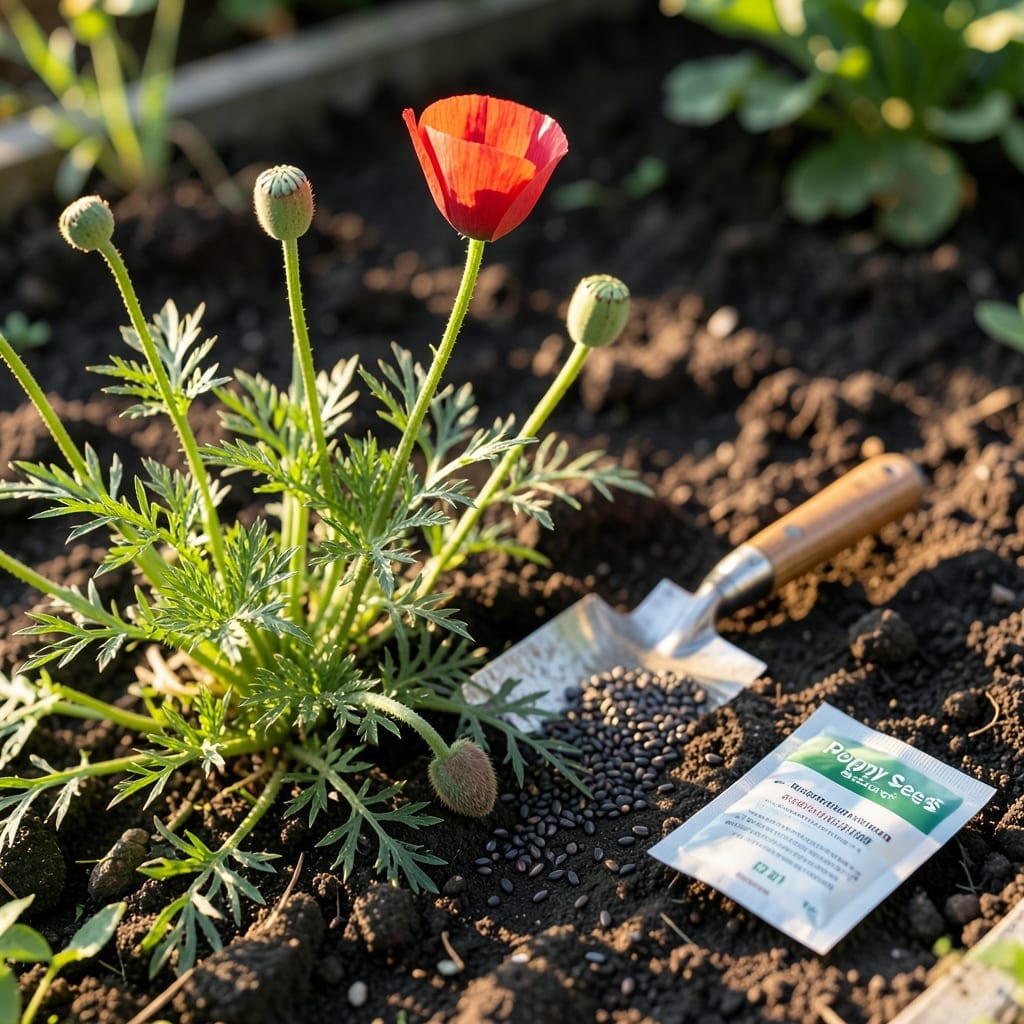
Timing is everything when planting poppy seeds in Zone 7. Plant too early or too late, and you risk poor germination or weak blooms.
I’ve learned the hard way that the 🌸 Poppy thrives when sown during two specific windows. These periods ensure your flowers get the best start possible.
Whether you’re a beginner or seasoned gardener, knowing these optimal times can make all the difference. It’s about working with nature’s rhythm, not against it.
Discover when to plant for vibrant, healthy poppies that will be the envy of your neighborhood. Let’s get your timing just right.
In Zone 7, timing your poppy seed planting is critical for strong germination and vibrant blooms. The two best windows are early spring and late summer, when soil conditions are ideal for these light-loving seeds.
For spring planting, aim for March after the last frost date, typically around April 15. Soil temperatures should reach 50-60°F for best results. This timing allows poppies to establish before summer heat.
| Planting Window | Ideal Months | Soil Temp | Key Consideration |
|---|---|---|---|
| Early Spring | March-April | 50-60°F | After last frost |
| Late Summer | August-September | 60-70°F | Before first frost |
The late summer window (August-September) works well for a second bloom cycle. Plant seeds about 8-10 weeks before the first expected frost, which is typically around October 15 in Zone 7.
Poppy seeds require light to germinate, so barely cover them with soil. In Zone 7, our mild winters allow for some flexibility, but avoid planting during extreme heat or cold snaps.
I’ve found that Iceland poppies and California poppies thrive particularly well in Zone 7 when planted during these windows. Both varieties appreciate our region’s moderate climate.
For best results, check your local soil temperature with a thermometer. If it’s consistently above 50°F, you’re good to go. Remember, poppies dislike being transplanted, so direct sowing is key.
In my experience, morning planting works best as it allows seeds to settle before the day’s heat. Also, water gently after sowing to avoid displacing the seeds.
Zone 7 gardeners should also watch for unexpected late frosts in spring. If a cold snap is forecasted after planting, cover your seedbed with row covers or mulch lightly.
The late summer planting often produces fall blooms that can last until the first hard frost. This gives you a beautiful second wave of color in your garden.
With proper timing, you’ll enjoy vibrant poppy blooms from late spring through summer and again in fall. Zone 7’s climate is perfect for these resilient flowers when planted correctly. 🌷
Getting your soil ready is just as important as timing when planting poppy seeds in Zone 7. I always start by choosing a spot with full sun exposure since poppies need at least 6 hours of direct light daily.
Ensure the soil is well-draining—poppies hate soggy roots. I mix in some compost to improve texture, but avoid heavy clay or overly rich soil, as this can hinder germination.
| Requirement | Specification |
|---|---|
| Sunlight | Full sun, 6+ hours |
| Soil Type | Well-draining, light |
| Soil pH | 6.0–7.5 |
| Seed Coverage | Barely cover—needs light |
Remove any weeds or debris from the area to give your seeds the best chance. Poppies don’t compete well with other plants, so a clean bed is key.
When sowing, barely cover the seeds with soil—poppies need light to germinate. A light sprinkle of soil or compost is all they need to stay in place.
In Zone 7, I’ve found that early morning planting helps seeds settle before the heat of the day. Water gently but thoroughly after sowing to avoid displacing the seeds.
Finally, mark your planting area so you don’t accidentally disturb the seeds while they germinate. With the right prep, you’ll see sprouts in 7–14 days under ideal conditions. ☀️