
Beautiful Plants For Your Interior
Beautiful Plants For Your Interior
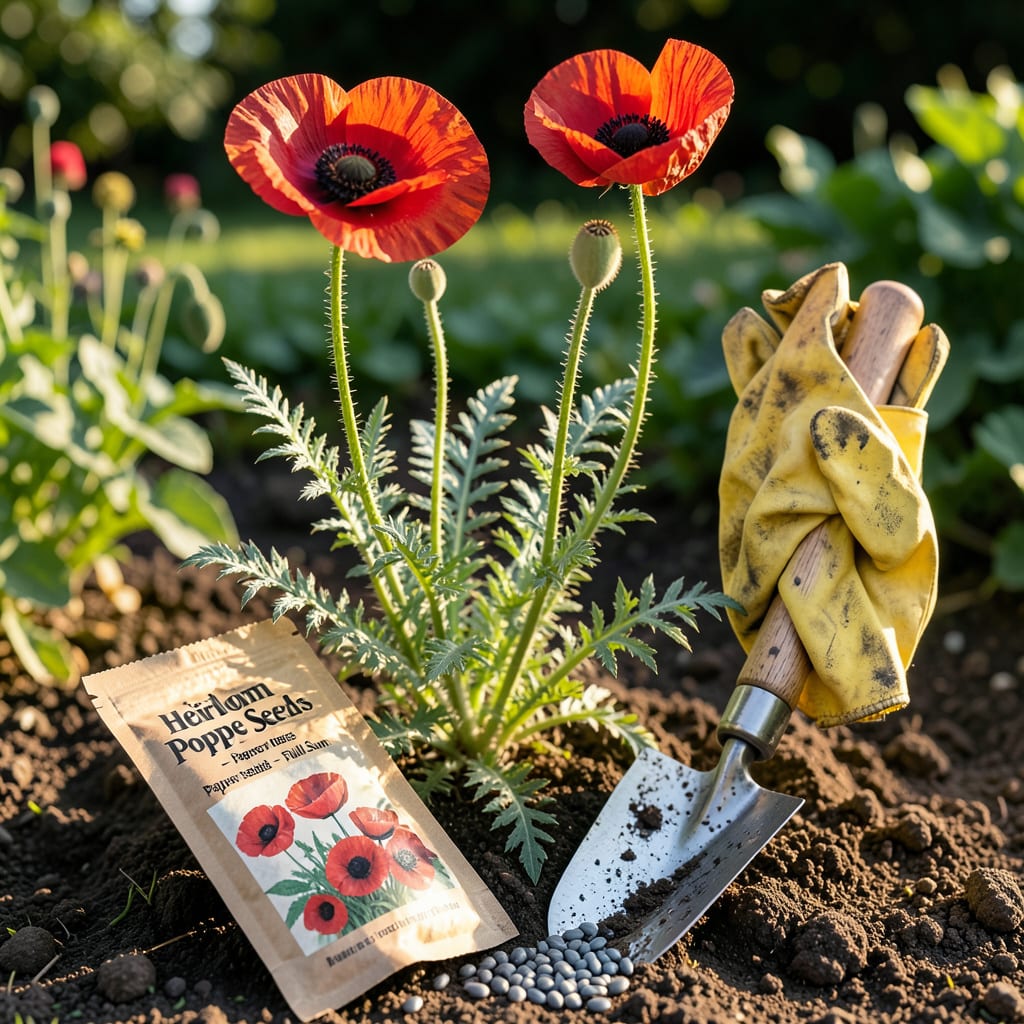
Timing your poppy seeds wrong in Michigan can mean the difference between a stunning spring bloom and a disappointing flop. Our state’s unpredictable frosts and varied zones (5b-6b) make nailing that planting window tricky—but I’ve got the exact timing to set you up for success.
Whether you’re in Detroit or Traverse City, I’ll break down when to sow those delicate 🌸 seeds for maximum germination—without the guesswork. From soil prep to frost dates, you’ll learn how to work with Michigan’s climate, not against it. Let’s get those poppies thriving.
If you’ve ever dreamed of a garden bursting with vibrant poppies, Michigan’s climate offers a perfect—but finicky—window. The key is timing your planting around the last frost date, which varies dramatically from the Upper Peninsula to Detroit’s suburbs. Get it right, and you’ll enjoy waves of color by early summer.
Michigan spans USDA zones 4–6, meaning your planting schedule shifts by region. In the southern Lower Peninsula (Zone 6), you can sow seeds as early as late March. But in the Upper Peninsula (Zone 4), waiting until mid-May is safer. Poppies thrive when soil hits 55°F, so a soil thermometer is your best friend.
| Region | USDA Zone | Planting Window | Last Frost Date |
|---|---|---|---|
| Upper Peninsula | 4a–4b | Mid-May to early June | May 30–June 10 |
| Northern Lower Peninsula | 5a–5b | Late April to mid-May | May 10–20 |
| Southern Lower Peninsula | 6a–6b | Late March to mid-April | April 20–May 1 |
Note: Adjust for lake-effect microclimates—areas near the Great Lakes may have cooler springs and need delayed planting.
For spring blooms, aim to sow seeds 2–4 weeks before your last frost. Poppies need light to germinate, so press seeds into the soil but don’t cover them. If you’re in Zone 6, a fall planting (September–October) can yield early spring flowers, as seeds naturally stratify over winter.
Michigan’s heavy clay soil can spell disaster for poppies, which demand excellent drainage. Amend beds with sand or compost before planting. I’ve found mixing in perlite (about 1 cup per square foot) prevents soggy roots. Avoid overwatering—poppies hate wet feet and thrive in drier conditions once established.
If you’re near Lake Michigan or Lake Huron, watch for late frosts. These areas often stay 5–10°F cooler than inland zones. Use row covers if planting early, but remove them once temps consistently hit 50°F. Poppies grow best in full sun, so pick a spot with 6+ hours of sunlight daily.
For fall planting, sow seeds in September–October so they experience winter chill (required for germination). This method works well in Zones 5–6 but risks seed loss in Zone 4 due to harsh winters. If you’re unsure, pre-chill seeds in the fridge for 2 weeks before spring planting.
Poppy varieties like ‘Flanders Field’ (red) and ‘Lauren’s Grape’ (purple) are cold-hardy and perfect for Michigan. Avoid tropical poppies—they won’t survive our winters. Pair poppies with lavender or cosmos for a drought-tolerant, pollinator-friendly garden that thrives in Michigan’s summers.
Pro tip: Succession plant every 2 weeks until early June for continuous blooms. Thin seedlings to 8–12 inches apart to prevent overcrowding. Poppies self-seed prolifically, so leave a few spent blooms if you want next year’s garden to fill in naturally.
Watch for slugs and snails—they love tender poppy seedlings. I use beer traps or diatomaceous earth for organic control. Once established, poppies are low-maintenance, needing only weekly watering unless it’s a drought year. Mulch lightly with straw to retain moisture without smothering plants.
By following these region-specific tips, you’ll transform your Michigan garden into a poppy paradise. Remember: patience is key. Poppies often take 10–14 days to germinate and 60–90 days to bloom, but the wait is worth it when those silky petals unfurl in the summer breeze. 🌸
Planting poppy seeds in Michigan isn’t just about timing—it’s also about technique. I’ve learned the hard way that these delicate seeds need light, well-draining soil, and a gentle touch to thrive. Let’s break down the process to ensure your poppies germinate strong and bloom beautifully.
Start by choosing a sunny spot with at least 6 hours of direct sunlight daily. Michigan’s clay-heavy soil can be problematic, so I always amend the bed with compost and sand (a 50/50 mix works well). Poppies despise soggy roots, so improving drainage is non-negotiable for success.
❌ Burying seeds too deep – Poppies need light to germinate. Press seeds into soil but don’t cover them.
❌ Overwatering – Keep soil moist but not soggy. Use a fine mist to avoid displacing seeds.
❌ Skipping soil prep – Heavy clay = rotting seeds. Mix in perlite or sand for better drainage.
❌ Planting in shade – Poppies require full sun. Partial shade = weak, leggy plants with fewer blooms.
Once your soil is prepped, it’s time to sow. Scatter seeds thinly over the soil surface—about 10–15 seeds per square foot. Gently press them into the soil with your palm or a board, but don’t cover them. Poppy seeds need light to trigger germination, so resist the urge to bury them.
Watering is where many gardeners go wrong. Use a fine mist nozzle or a watering can with a rose attachment to avoid washing seeds away. Keep the soil consistently moist (but not waterlogged) for the first 10–14 days. Once seedlings emerge, reduce watering to once a week, unless Michigan’s summer heat kicks in early.
Thinning is critical for strong plants. When seedlings reach 2–3 inches tall, thin them to 8–12 inches apart. I know it’s tough to pull healthy seedlings, but overcrowding leads to weak stems and fewer blooms. Use scissors to snip extras at soil level—this avoids disturbing the roots of remaining plants.
If you’re planting in fall for spring blooms, the process is similar, but timing shifts. Sow seeds in September–October so they experience winter stratification. In Michigan’s Zone 4, add a light mulch (like straw) to protect seeds from freeze-thaw cycles. Remove mulch in early spring to allow sunlight to reach germinating seeds.
For container gardening, use a well-draining potting mix with added sand or perlite. Poppies grow well in wide, shallow pots (at least 8 inches deep). Place containers in full sun and water when the top inch of soil feels dry. Remember, potted poppies dry out faster, so check moisture levels every 2–3 days in summer.
Finally, be patient! Poppies can take 10–21 days to germinate, depending on soil temperature. Once established, they’re drought-tolerant and low-maintenance. Deadhead spent blooms to encourage more flowers, or leave a few to self-seed for next year’s garden. With the right care, you’ll enjoy a sea of colorful poppies all season long. 🌸
Michigan’s short growing season can cut poppy blooms short—but with these proven strategies, you’ll keep those silky petals coming for weeks. I’ve tested these tricks in my own garden, and they make a huge difference in bloom longevity and vibrancy.
The secret starts with succession planting. Instead of sowing all your seeds at once, plant a new batch every 2 weeks until early June. This staggers bloom times, so as one set fades, another is ready to burst open. It’s like getting multiple poppy seasons in one summer!
Deadheading is your next power move. As soon as a poppy bloom fades, snip it off with clean scissors. This prevents seed formation, so the plant pumps energy into new flowers instead. I check my poppies every morning—it takes seconds and doubles my bloom count!
Michigan’s temperature swings can stress poppies, but mulching helps. Apply a 1-inch layer of straw (not wood chips—they’re too heavy) to insulate roots. This keeps soil cooler in heatwaves and warmer during chilly snaps. Just don’t overdo it—poppies hate soggy conditions.
For fall-planted poppies, timing is everything. Sow seeds in late September to early October so they get winter stratification but aren’t exposed to early hard freezes. In Zone 4, add a light row cover after planting to protect seeds from heaving in freeze-thaw cycles.
Finally, pair poppies with companions that thrive in Michigan’s climate. I love planting them with lavender (repels pests) and cosmos (attracts pollinators). Both tolerate dry soil and complement poppies’ whimsical blooms. Avoid heavy feeders like roses—they’ll compete for nutrients.
With these tips, your Michigan poppies will bloom longer, brighter, and more abundantly than ever. The key is working with our climate, not against it. Now go enjoy that poppy-filled paradise—you’ve earned it! 🌼
Fall planting (September–October) works well in Zones 5–6. The seeds naturally stratify over winter, leading to earlier spring blooms. In Zone 4, consider a light mulch to protect seeds from harsh freezes.
Amend heavy clay with compost and sand (50/50 mix) to improve drainage. Adding 1 cup of perlite per square foot helps prevent soggy roots. Poppies thrive in well-draining, slightly alkaline soil.
Poppy seeds need light to germinate, so covering them can prevent sprouting. Instead, press seeds gently into the soil surface and keep them moist. If accidentally buried, thin seedlings carefully once they emerge.
Most poppies are annuals but self-seed prolifically. If you leave some spent blooms, they’ll often return the next year. For perennials like Oriental poppies, expect them to regrow from roots each spring.
