
Beautiful Plants For Your Interior
Beautiful Plants For Your Interior
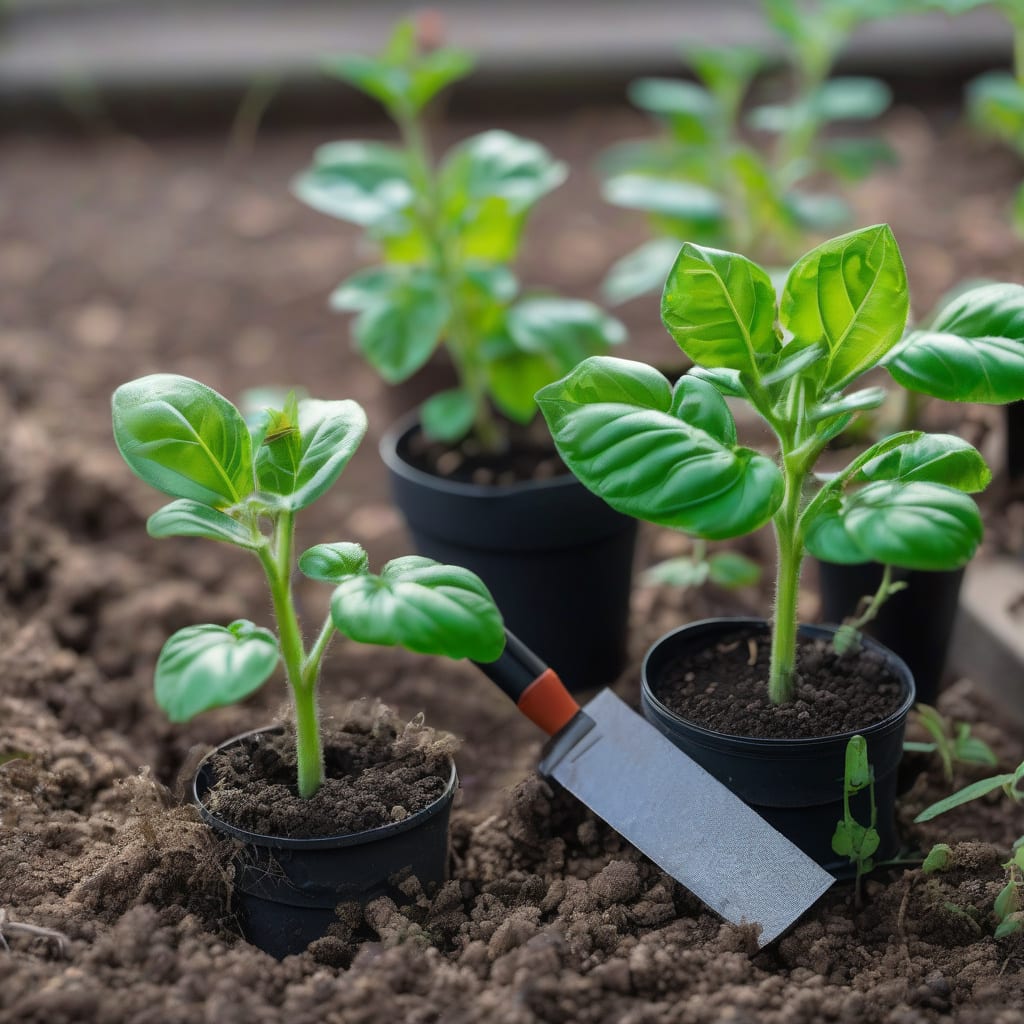
Gardening in Zone 5b can be challenging, but with the right timing, you can enjoy a bountiful harvest 🌱. Understanding when to plant is crucial, as the region’s unique climate and frost dates dictate the optimal planting schedule.
I’ve got you covered with a guide that’ll help you navigate the best planting times for various crops in Zone 5b, from spring essentials to fall strategies. Let’s get started.
Gardening in Zone 5b requires careful planning, especially when it comes to spring planting. The region’s last frost date, typically around May 10, is a critical factor in determining when to start planting. 🌱
To make the most of the growing season, it’s essential to understand the optimal planting times for various crops. In this section, we’ll explore the key dates and considerations for spring gardening in Zone 5b, including frost protection and soil preparation.
Understanding these key planting periods is crucial for maximizing your garden’s potential. By starting seeds indoors in early spring and transplanting cold-hardy crops in late spring, you can get a head start on the growing season.
After the last frost date, typically around May 10 in Zone 5b, you can begin planting warm-season crops like cucumbers and squash. This careful planning will help ensure a bountiful harvest.
To further optimize your spring gardening, consider the following tips: use row covers to protect tender plants from unexpected frosts, and prepare your soil by by warm, sunny days and adequate moisture. This will create an ideal environment for your plants to thrive.
By following this planting calendar and tips, you’ll be well on your way to a successful spring gardening season in Zone 5b. 🌼
Some additional considerations for spring gardening in Zone 5b include: keeping an eye on weather forecasts for potential frosts, having a plan in place for frost protection, and being prepared to adapt your planting schedule as needed.
With careful planning and attention to detail, you can enjoy a bountiful harvest and a thriving garden throughout the growing season. 🌻
As you plan your spring garden,
By following these guidelines and staying flexible, you’ll be well-equipped to handle the challenges and opportunities that come with gardening in Zone 5b. Happy gardening! 🌟
Gardening in Zone 5b means understanding the best plants for the local climate. The region’s unique frost dates and temperature fluctuations dictate what’s suitable for growth 🌱.
To maximize your garden’s potential, it’s essential to know which vegetables, flowers, and herbs thrive in Zone 5b’s conditions. Let’s explore the best options for a bountiful harvest throughout the growing season.
By understanding what to plant and when, you can enjoy a diverse and thriving garden throughout the growing season.
Some additional tips for gardening in Zone 5b include: keeping an eye on weather forecasts for potential frosts, having a plan in place for frost protection, and being prepared to adapt your planting schedule as needed.
With careful planning and attention to detail, you can enjoy a bountiful harvest and a thriving garden throughout the growing season. Happy gardening! 🌼
As you plan your garden, consider the benefits of companion planting and crop rotation to maximize your yields and minimize potential problems.
By following these guidelines and staying flexible, you’ll be well-equipped to handle the challenges and opportunities that come with gardening in Zone 5b 🌻.
As the growing season progresses, planning for fall crops becomes essential for a successful winter harvest in Zone 5b. The region’s first frost date, typically around September 30, marks the end of the growing season for many crops 🌟.
To maximize your fall harvest, it’s crucial to understand the optimal planting times for cold-hardy crops and strategies for protecting them from frost. Let’s explore the key considerations for fall planting in Zone 5b.
For a successful winter harvest, plant cold-hardy crops like broccoli, kale, and Brussels sprouts about 8 weeks before the first frost date. Use row covers to protect tender plants from unexpected frosts.
Some of the best crops for fall planting in Zone 5b include Brussels sprouts, broccoli, kale, and carrots. These cold-hardy varieties can withstand light frosts and continue to produce well into the winter months.
To ensure a bountiful fall harvest, be sure to: prepare your soil with compost and organic matter to improve its structure and fertility, and keep an eye on weather forecasts for potential frosts, having a plan in place for frost protection.
By following these fall planting strategies and tips, you’ll be well on your way to enjoying a successful winter harvest in Zone 5b. Happy gardening! 🌱
Additional considerations for fall gardening in Zone 5b include: monitoring soil moisture levels, as dry soil can be detrimental to fall crops, and being prepared to adapt your planting schedule as needed.
With careful planning and attention to detail, you can enjoy a bountiful harvest and a thriving garden throughout the fall and winter months. 🌼
For most spring crops, start seeds indoors 6-8 weeks before the last frost date. In Zone 5b, this means starting seeds around mid-to-late March. This head start allows seedlings to get established before being transplanted outside when the weather warms up.
Soil is ready when it’s workable and not too wet. A simple test is to squeeze a handful of soil; if it crumbles easily, it’s ready. If it forms a tight ball, it’s too wet. Typically, soil is ready in Zone 5b around late April to early May, when the ground has thawed and dried out sufficiently.
Cold-hardy crops like lettuce, spinach, peas, and radishes can be planted as soon as the soil can be worked in early spring. These crops can tolerate light frosts and cooler temperatures, making them ideal for early planting.
Maturation times vary by crop, but most vegetables take between 60 to 90 days to mature. Check specific seed package instructions or crop guidelines for more precise information. Some crops, like lettuce and radishes, mature much faster, often in as little as 20-30 days.
